Japan isn’t just about neon cities, cherry blossoms, and ancient temples — it’s also home to some of the most unique animal recreation experiences in the world. From famous snow monkeys to island deer and interactive aquariums, Japan offers unforgettable wildlife encounters for every traveler.
Here are 10 incredible facts about animal recreation in Japan, complete with travel tips and must-visit destinations for your bucket list.

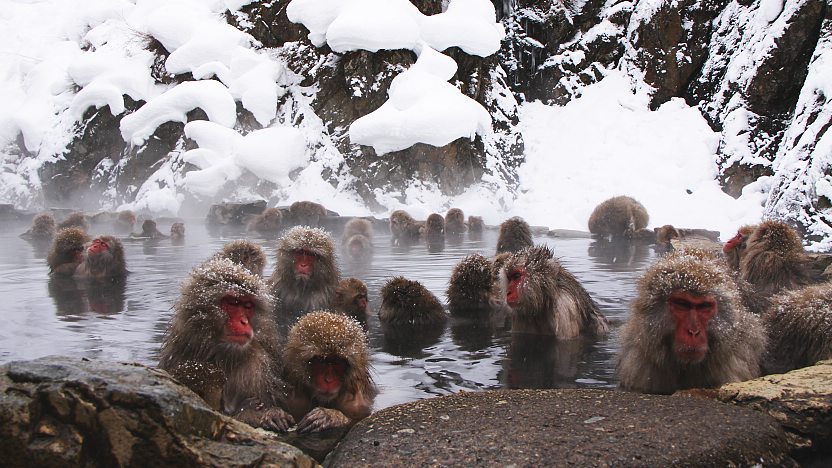

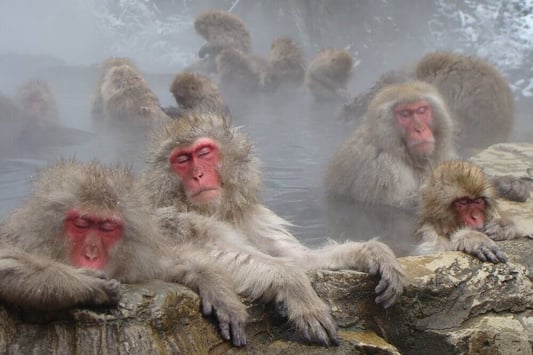
At Jigokudani Monkey Park in Nagano Prefecture, wild Japanese macaques relax in natural hot springs during winter. It’s one of Japan’s most iconic wildlife scenes and a dream for photographers.
Best time to visit: January–February for snowy landscapes
SEO Tip: This is one of the top winter wildlife attractions in Japan.

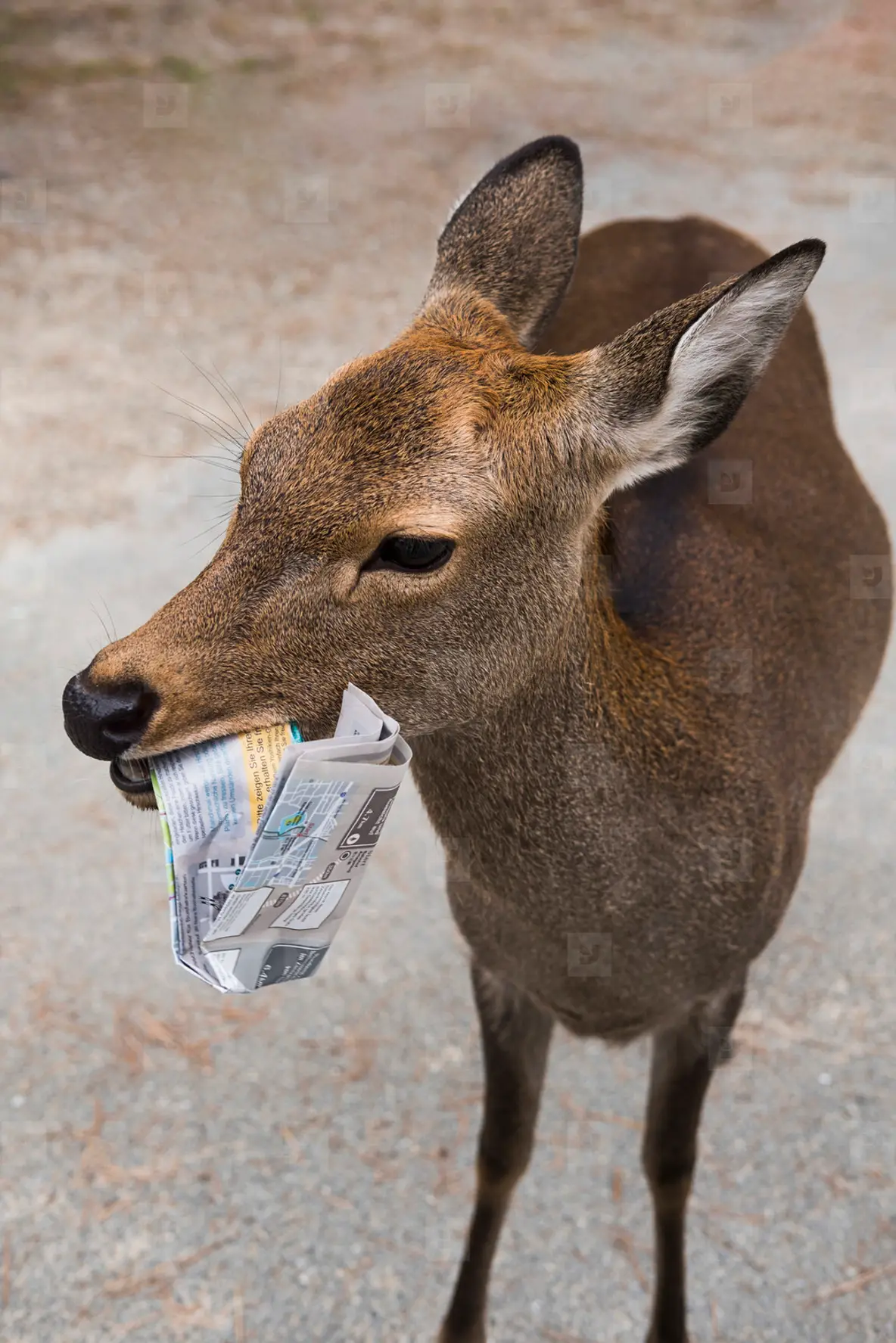


More than 1,000 sacred deer wander freely in Nara Park. Visitors can purchase special deer crackers, and some deer even bow politely before being fed!
This is one of Japan’s most family-friendly and cultural animal experiences.




Japan is famous for its “animal islands,” including:
Okunoshima – Known as Rabbit Island
Tashirojima – A paradise for cat lovers
These destinations are quirky, unique, and perfect for animal enthusiasts seeking off-the-beaten-path adventures.
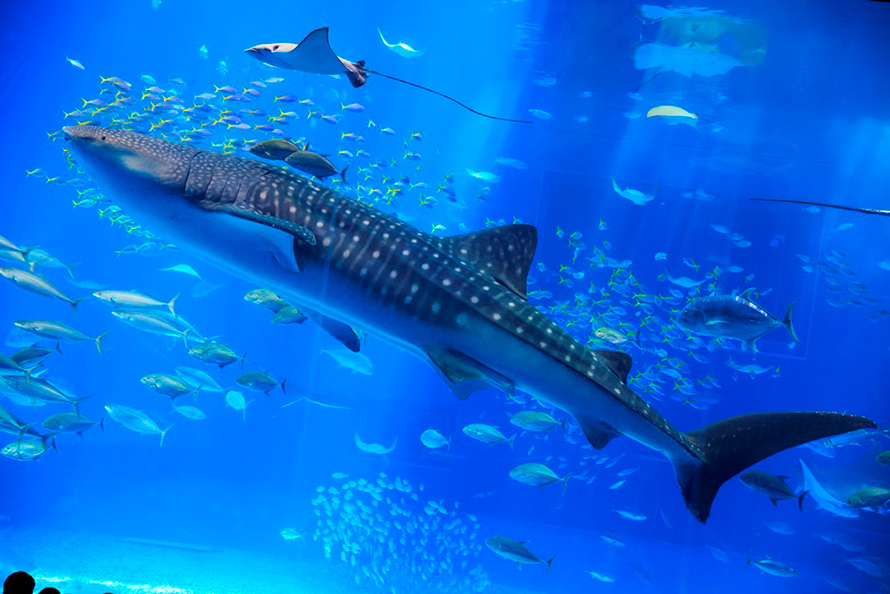
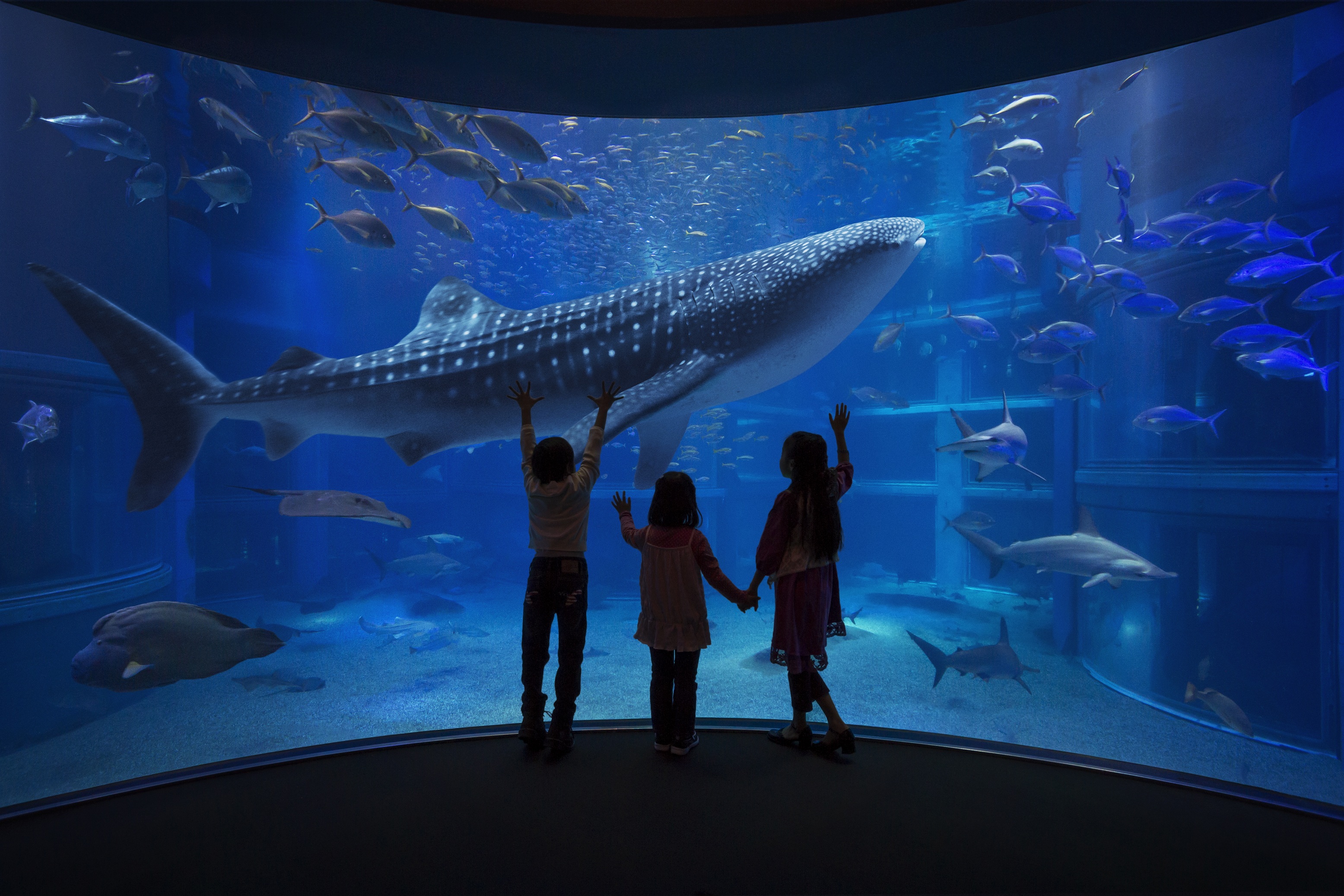
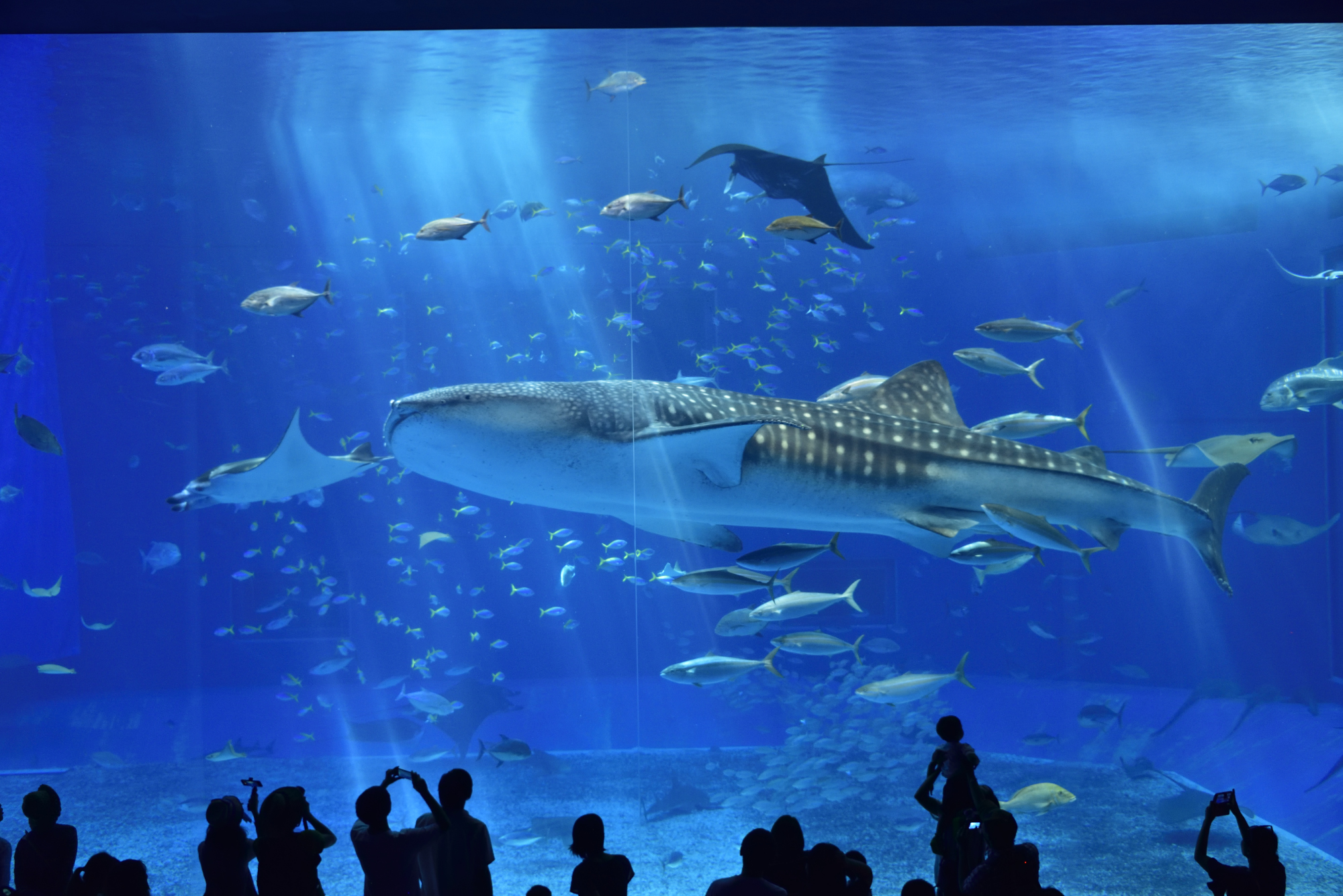
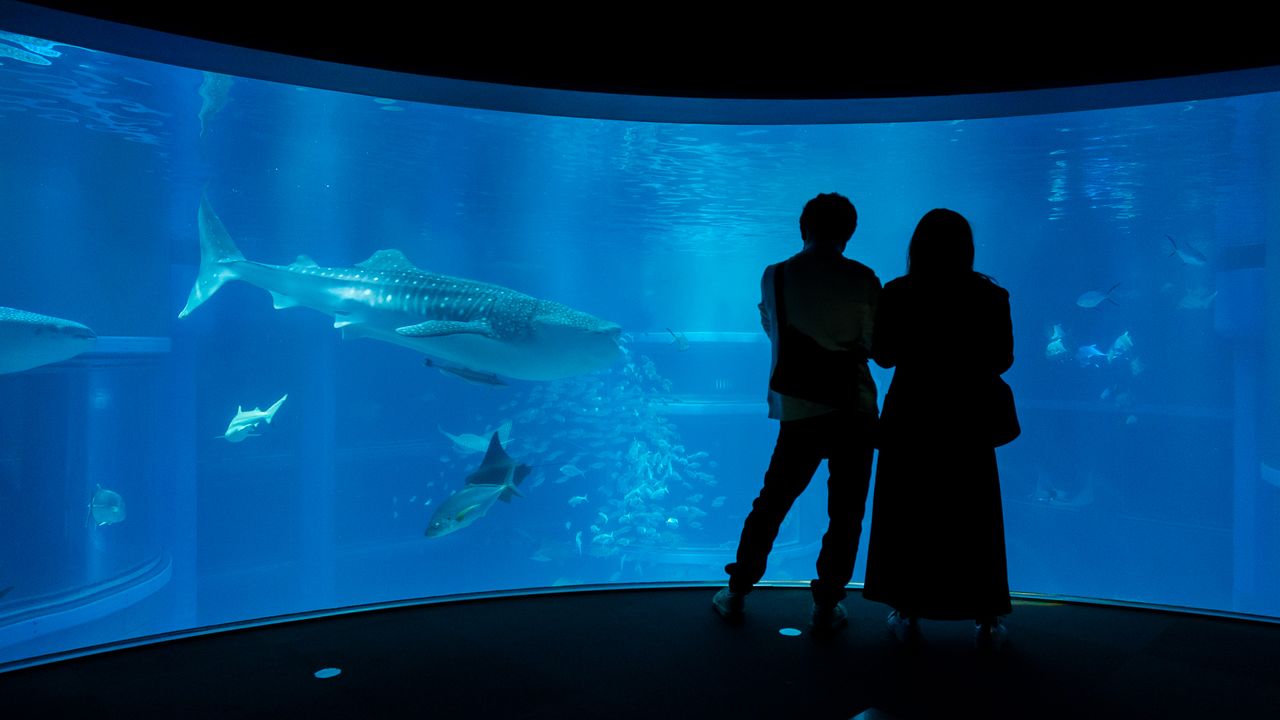
The massive whale shark tank at Okinawa Churaumi Aquarium is one of the largest in the world. Meanwhile, Osaka Aquarium Kaiyukan offers immersive ocean habitats and interactive exhibits.
These aquariums blend entertainment, education, and cutting-edge marine conservation.
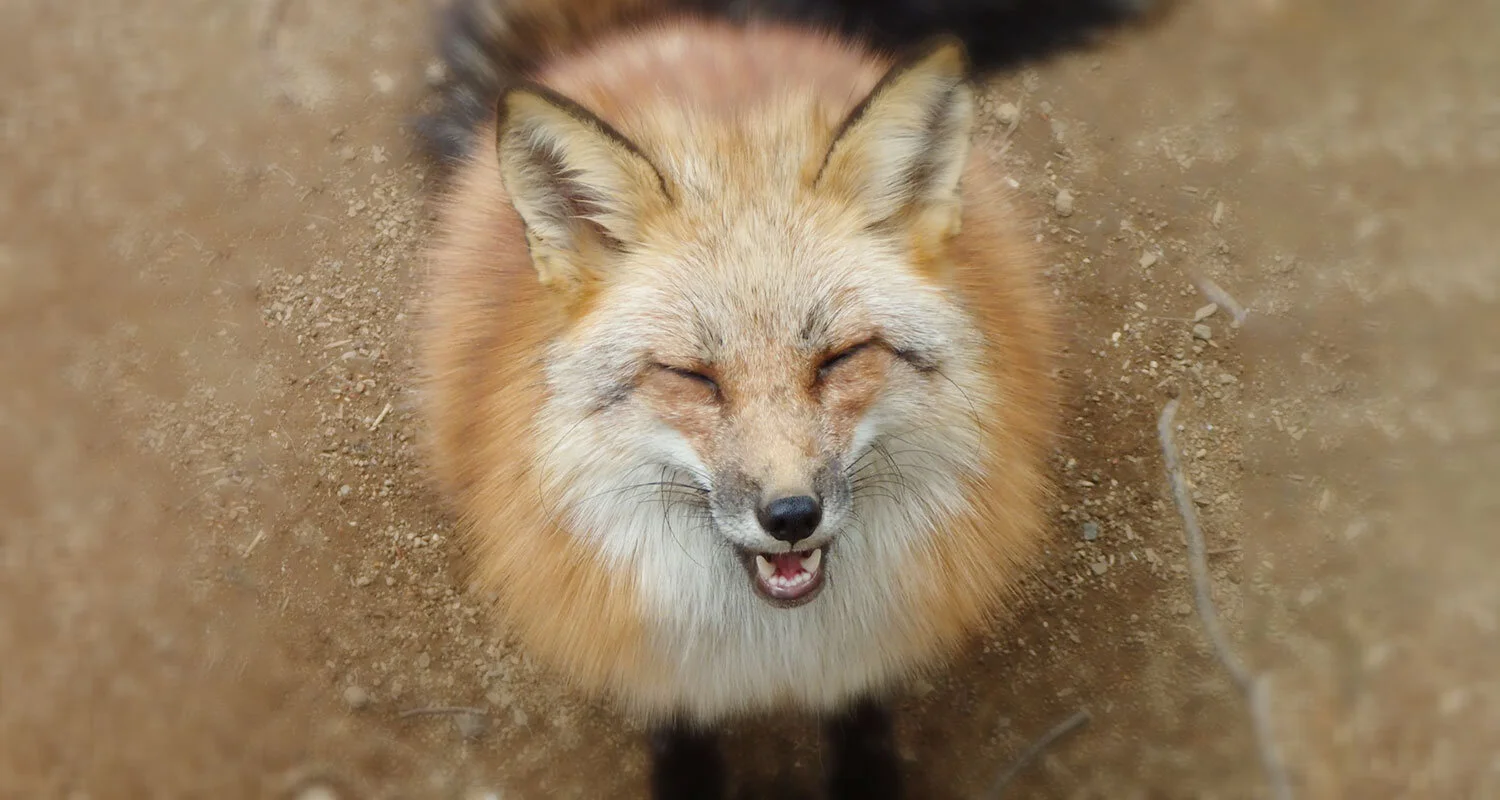
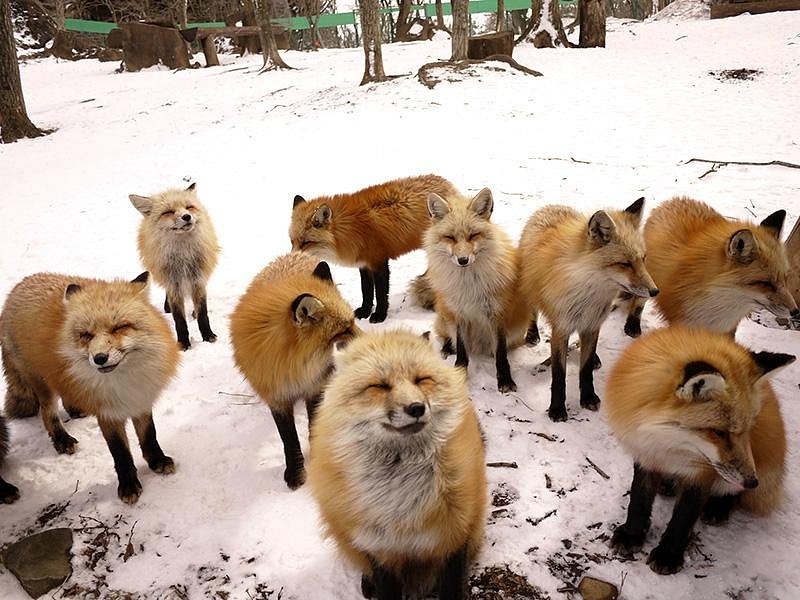
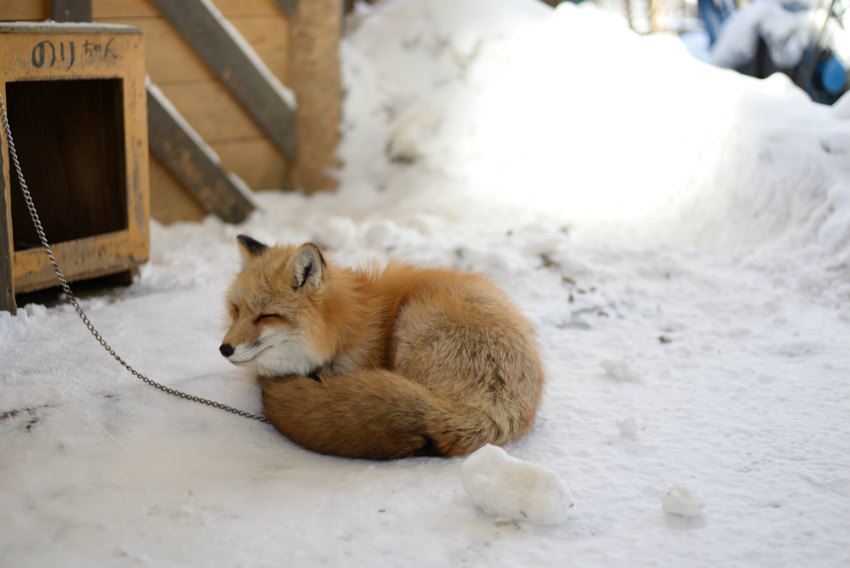
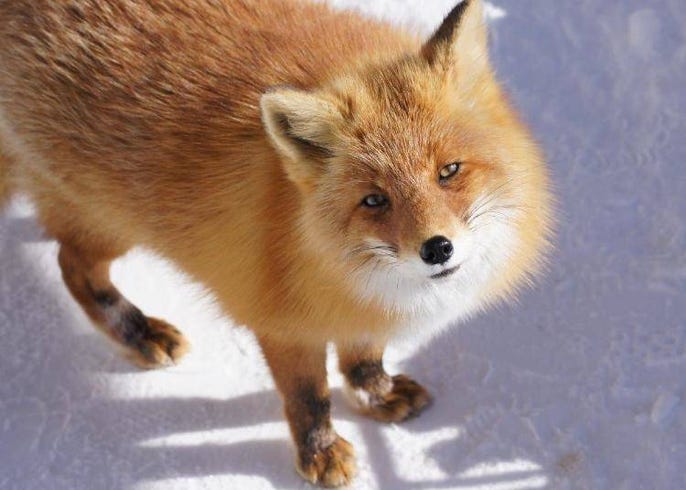
At Zao Fox Village, visitors can walk among dozens of free-roaming foxes. In winter, the snowy setting makes the experience even more magical.
It’s one of Japan’s most unique animal recreation parks.
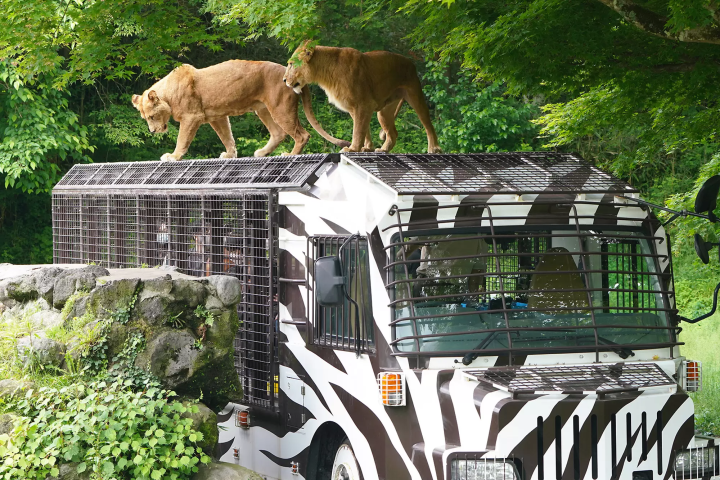
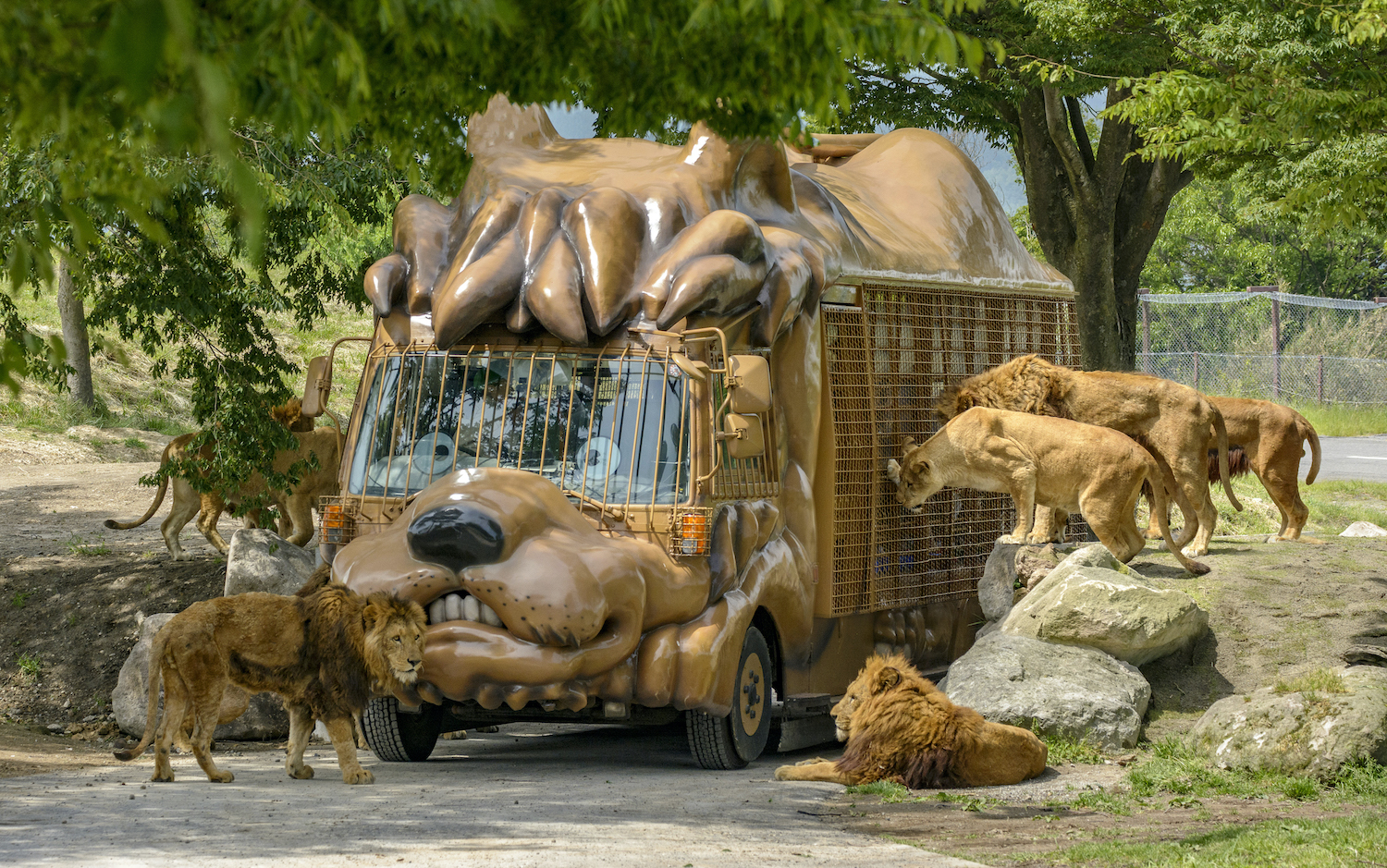
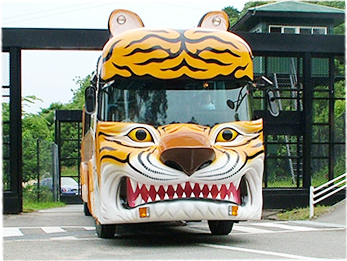
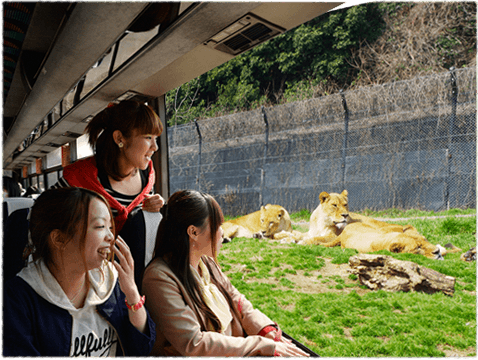
At Fuji Safari Park, you can drive through open enclosures and observe lions, bears, and giraffes up close. Some safari parks even allow bus tours where animals approach the vehicle.
These parks are popular for families and wildlife photography.
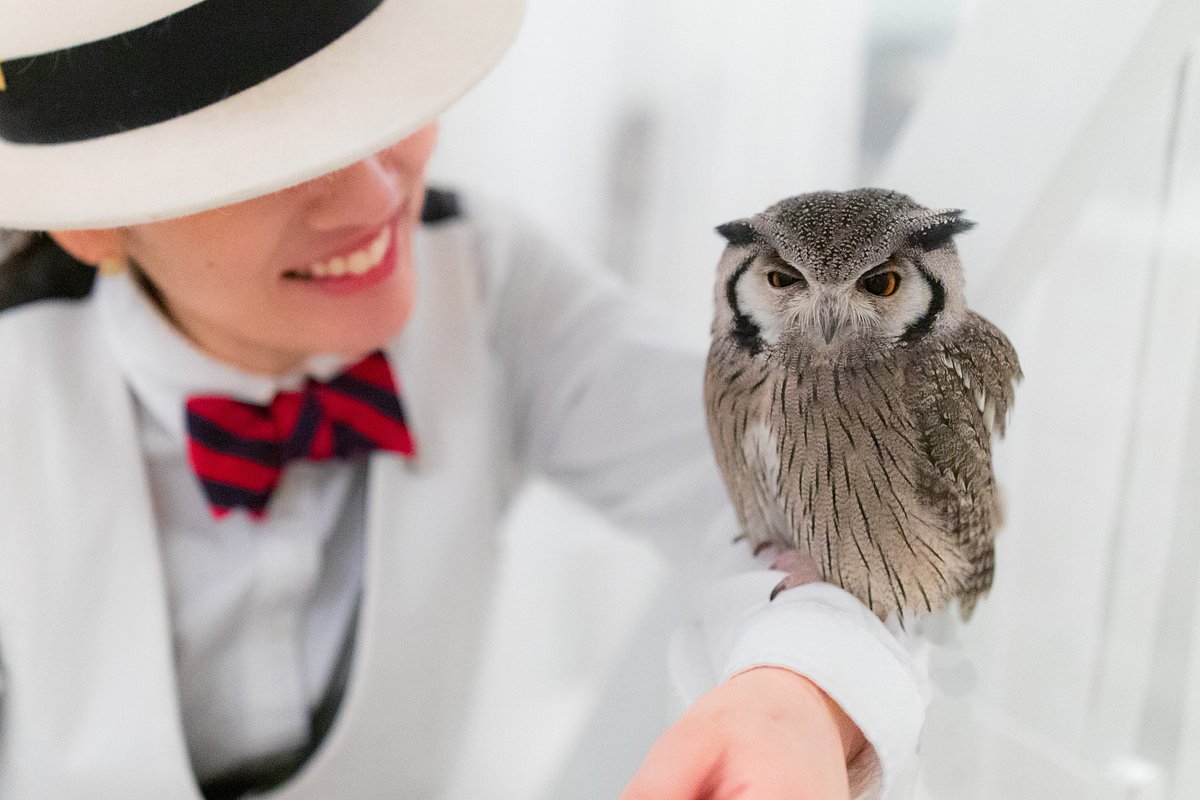

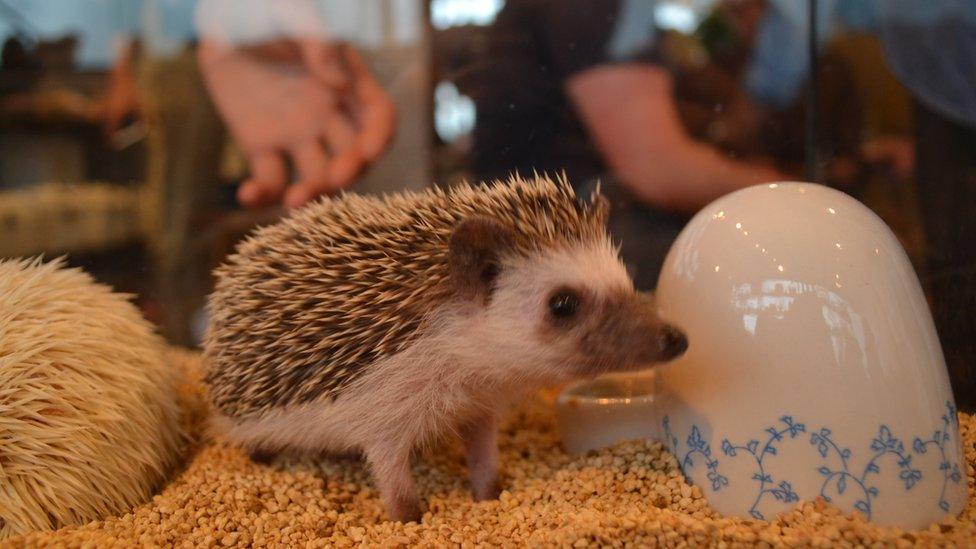
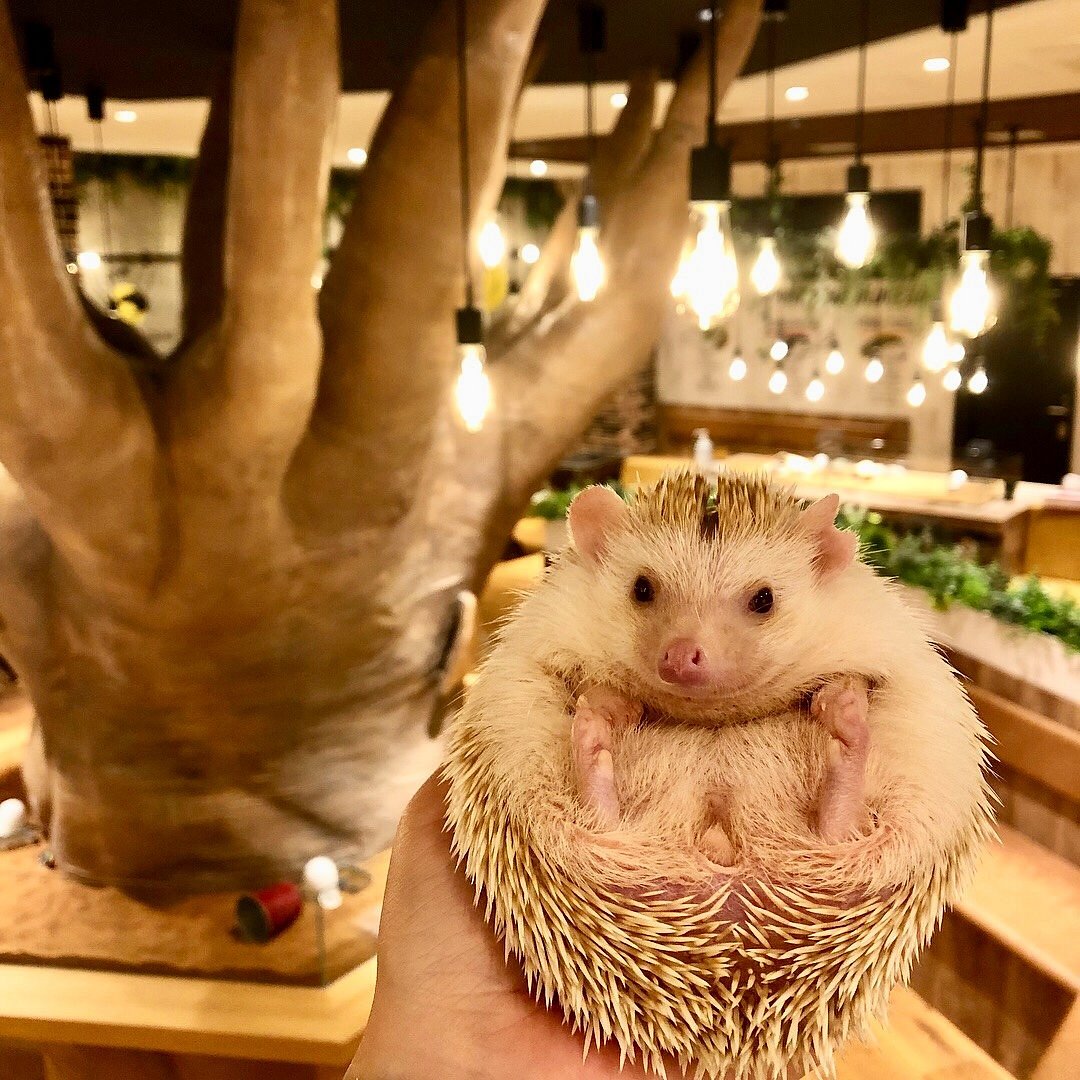
Urban Japan offers unique animal-themed cafés, especially in Tokyo districts like Shibuya and Akihabara. Visitors can relax with cats, owls, hedgehogs, and more.
Travelers should always research ethical practices before visiting.

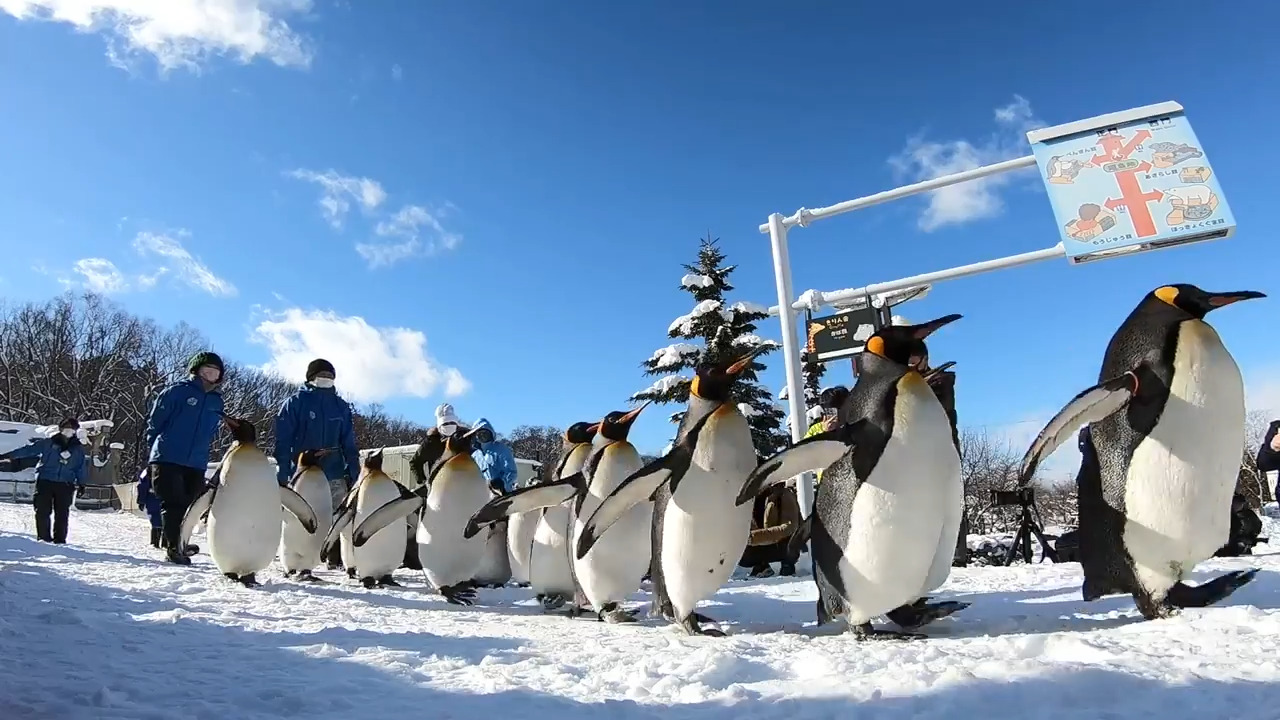
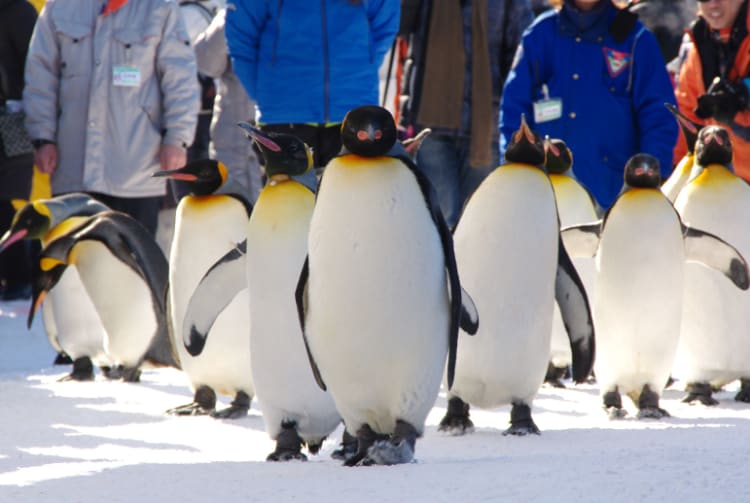
At Asahiyama Zoo, penguins take daily winter walks through the snow — sometimes just inches away from visitors.
This seasonal event is one of the cutest wildlife experiences in Japan.
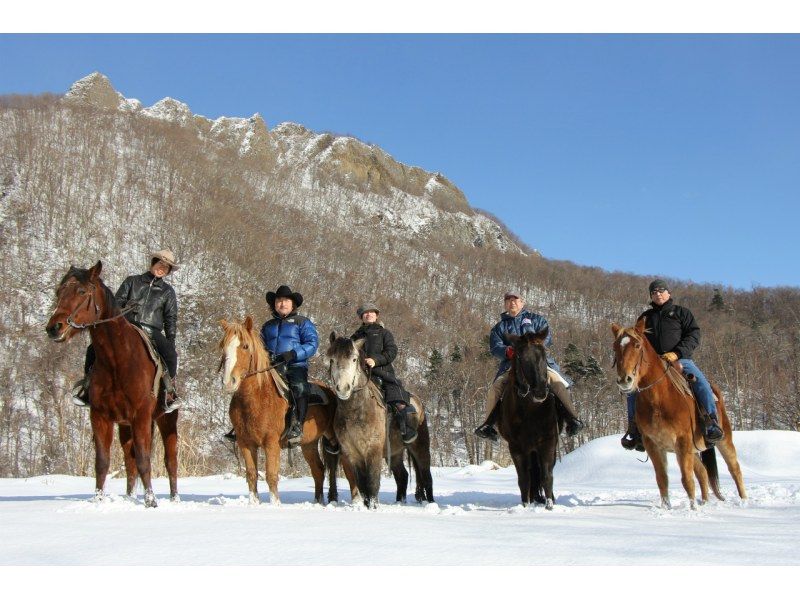
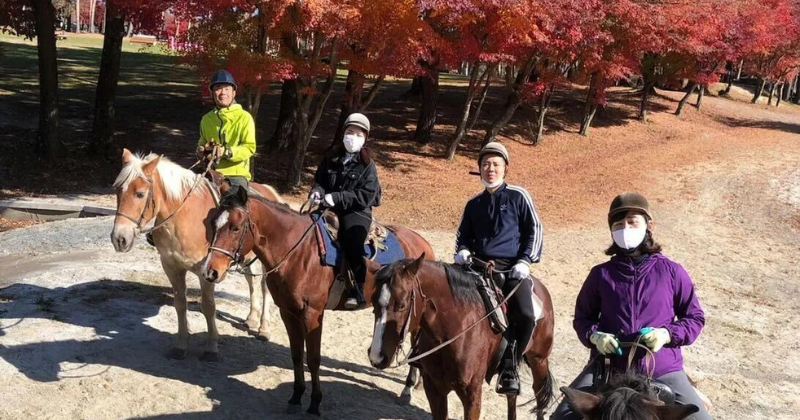

Regions like Hokkaido and Mount Aso offer scenic horseback riding across open landscapes, forests, and volcanic plains.
This is a peaceful way to experience Japan’s countryside.
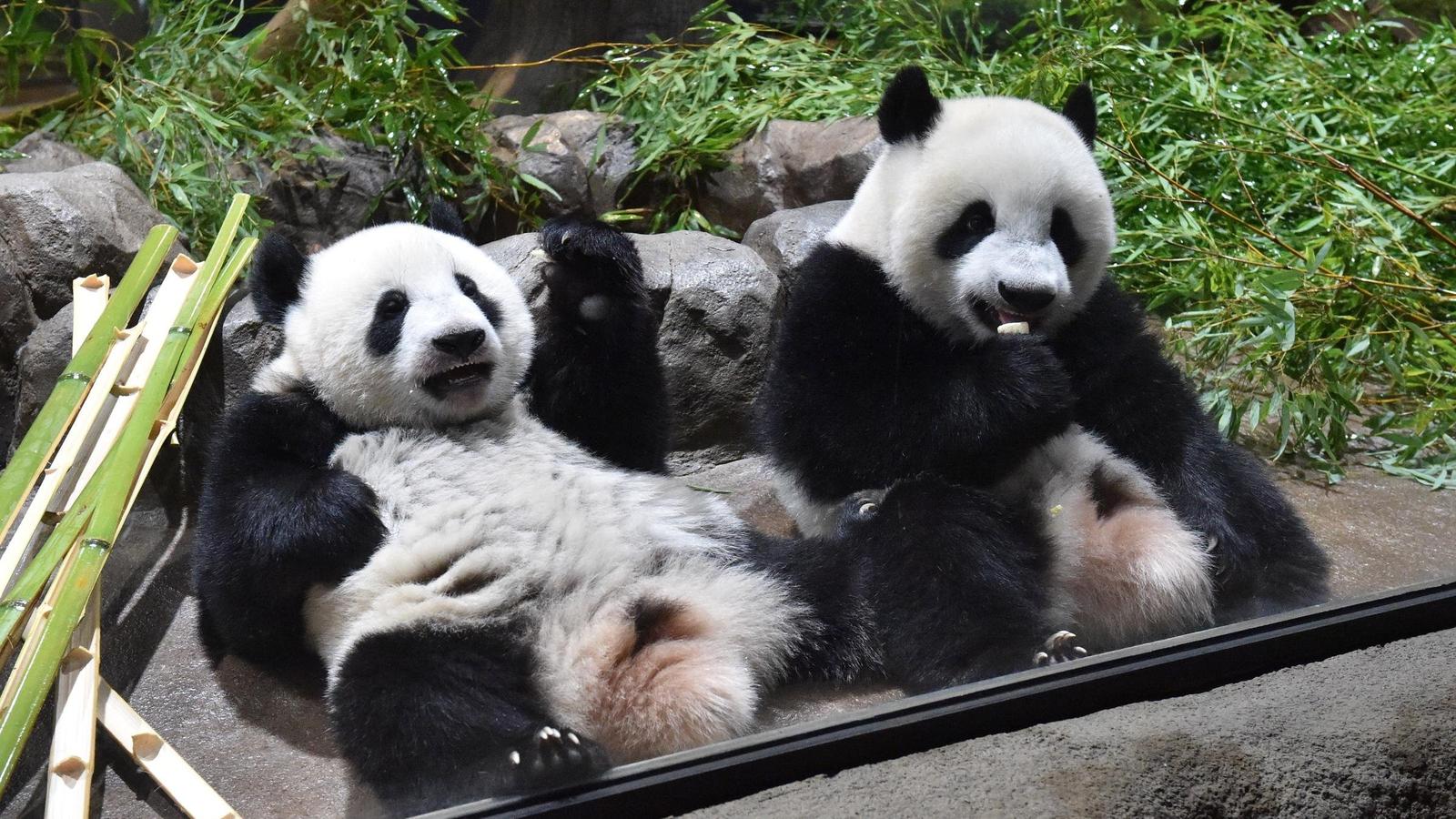

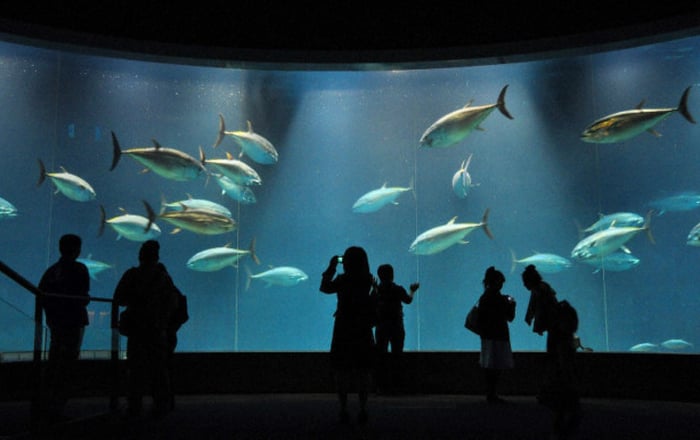
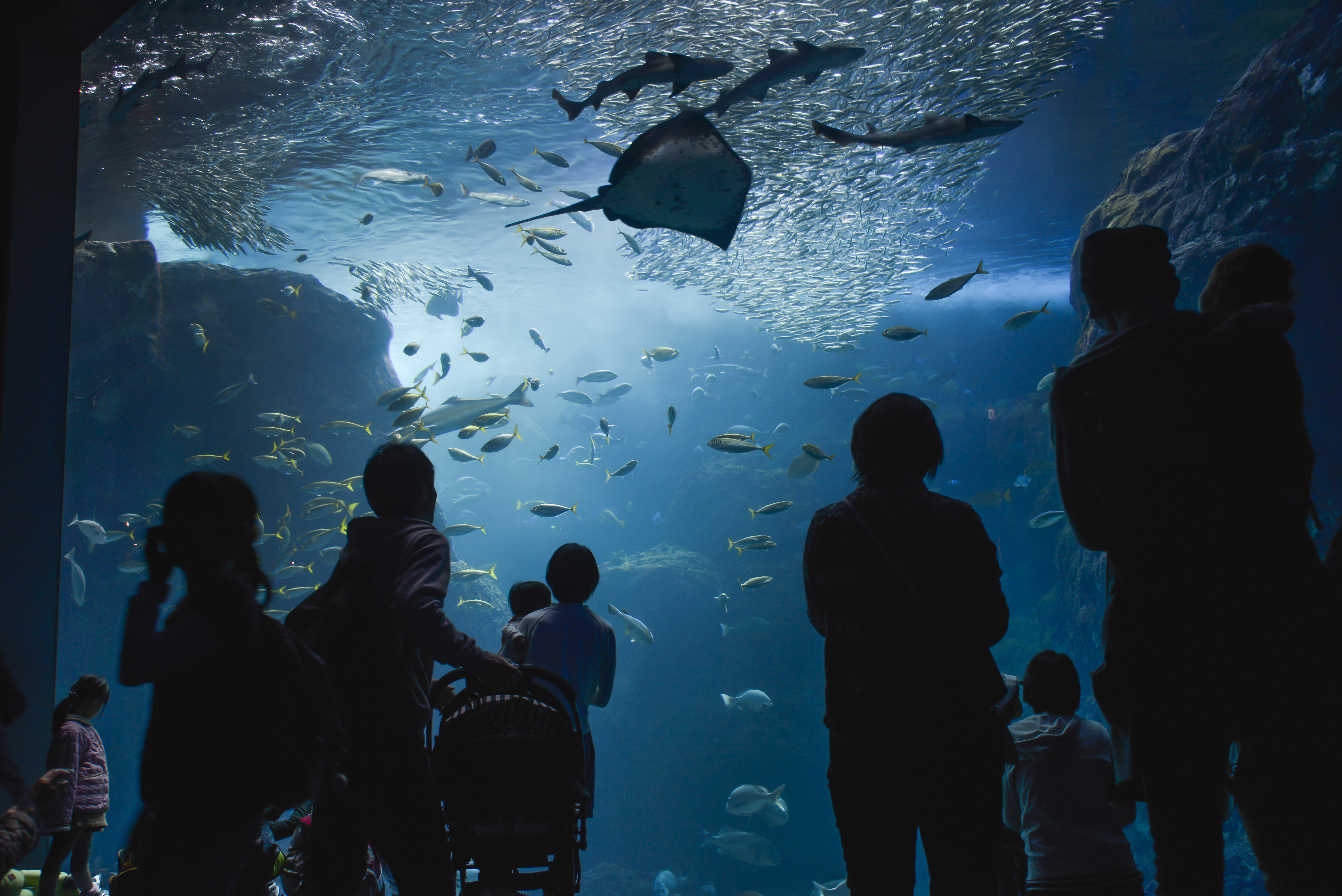
Many Japanese zoos and aquariums are shifting focus toward conservation, breeding programs, and environmental education. Institutions across the country promote biodiversity awareness and sustainable tourism.
Animal recreation in Japan is evolving to balance tourism with responsibility.
Japan blends culture, wildlife, and innovation in ways few countries can. Whether you’re photographing snow monkeys, feeding sacred deer, or watching penguins parade through snow, these experiences are both entertaining and culturally meaningful.
For your Japan travel bucket list, adding at least one wildlife encounter will make your trip unforgettable.