Planning a trip to Japan? No bucket list is complete without visiting Mount Fuji—the country’s most iconic natural landmark. Known for its near-perfect cone shape and cultural significance, Mount Fuji attracts climbers, photographers, and spiritual travelers from around the world.
Here are 10 fascinating facts about Mount Fuji in Japan, along with travel insights to help you plan the perfect visit.
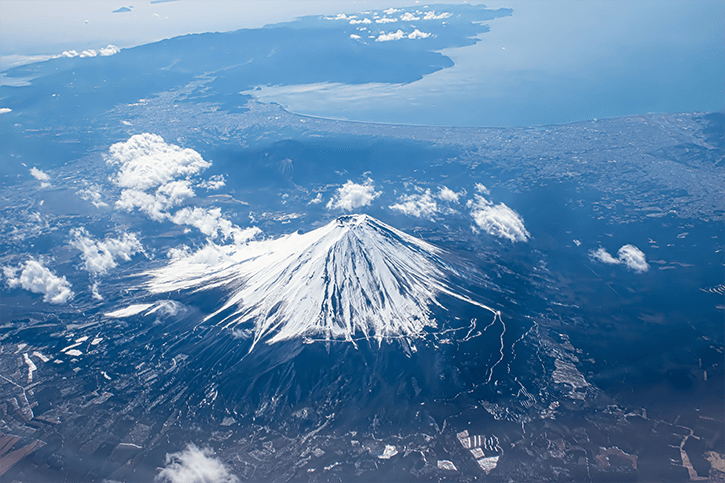
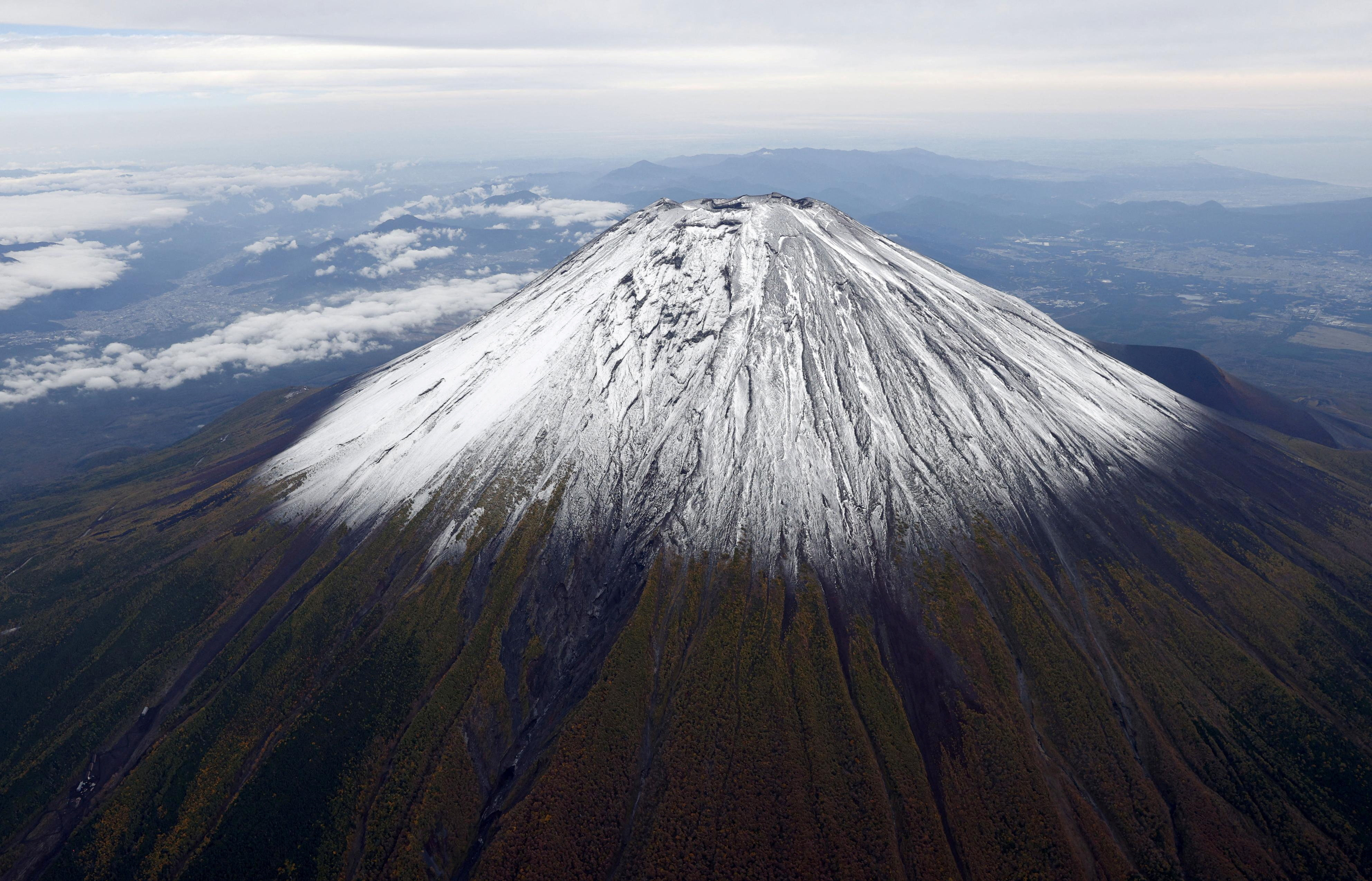

Rising to 3,776 meters (12,389 feet), Mount Fuji is the highest peak in Japan. Its symmetrical cone dominates the skyline and is visible from Tokyo on clear days.
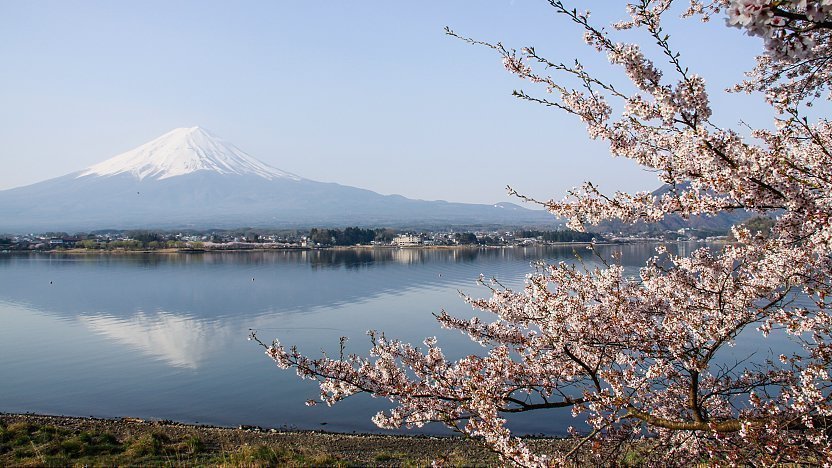
Travel Tip: Visit during winter for crisp views from the Fuji Five Lakes area, especially Lake Kawaguchi.


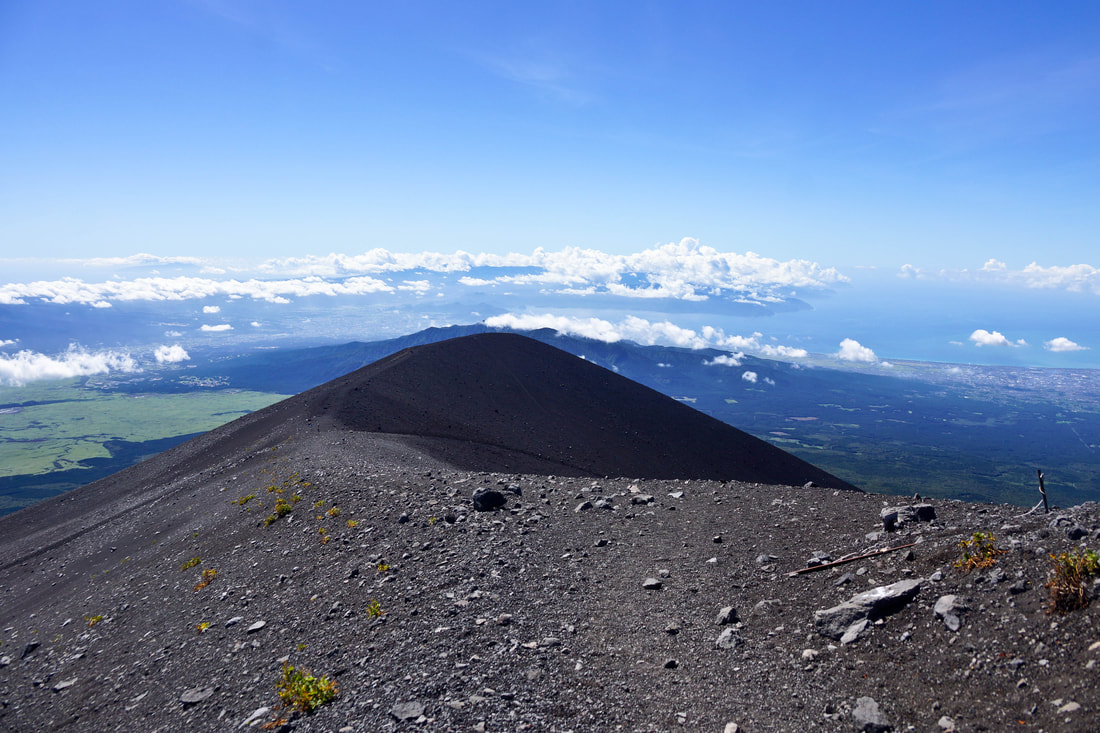

Mount Fuji is an active stratovolcano, although it hasn’t erupted since 1707. That eruption, known as the Hoei eruption, even spread ash as far as Tokyo.
Did You Know? Despite being active, it is carefully monitored and considered safe for tourism.
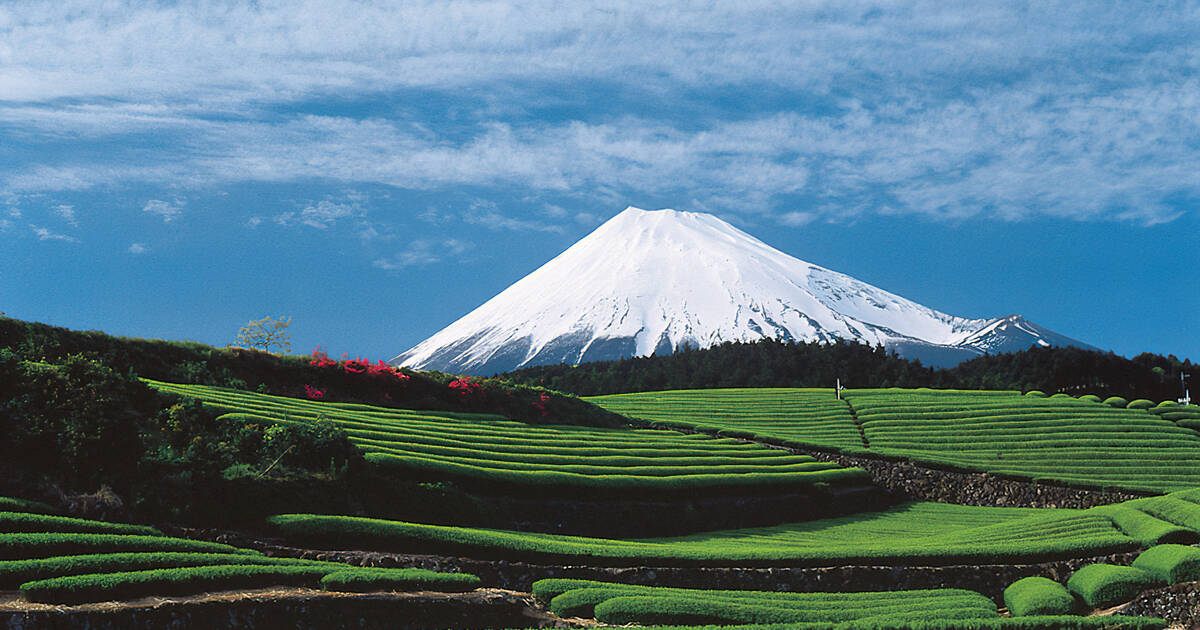
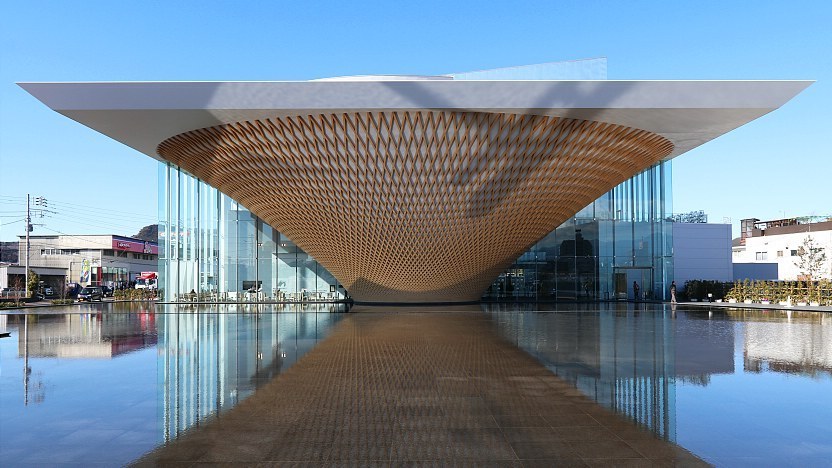

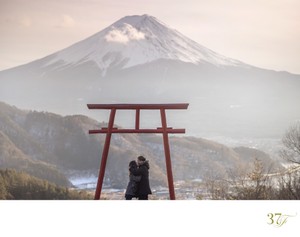
In 2013, Mount Fuji was designated a UNESCO World Cultural Heritage Site due to its profound influence on Japanese art, religion, and culture.
Artists like Katsushika Hokusai famously featured Fuji in woodblock prints such as Thirty-Six Views of Mount Fuji.

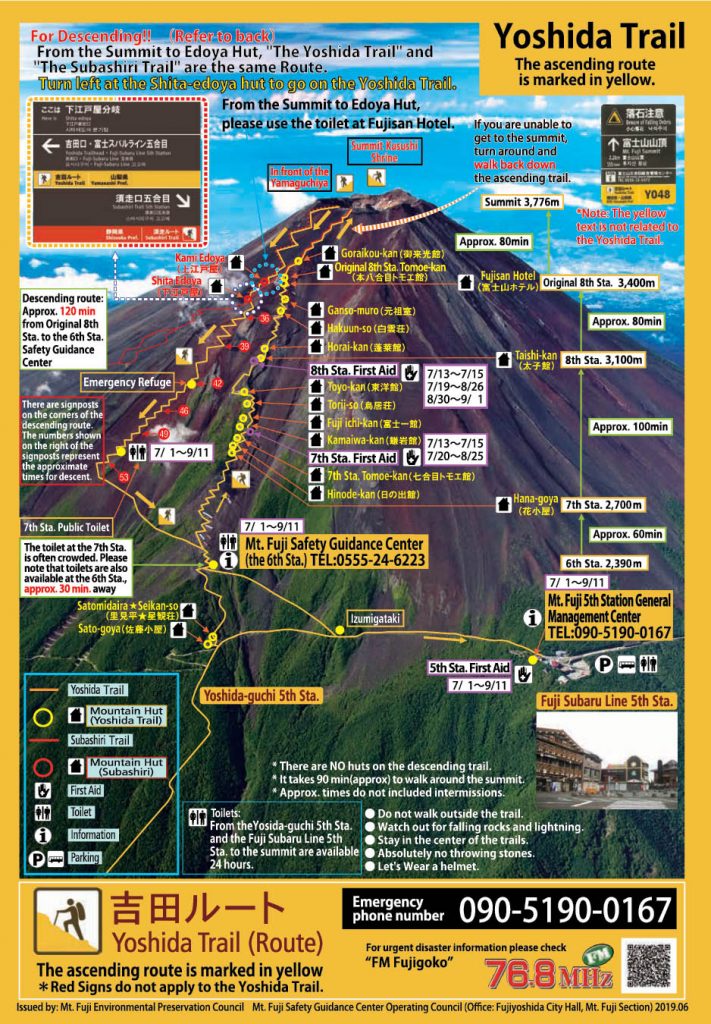

The official climbing season typically runs from early July to early September. During this time, trails, mountain huts, and safety services are open.
The most popular route is the Yoshida Trail, starting from the 5th Station.
Pro Tip: Many hikers climb overnight to witness the famous sunrise called Goraiko.
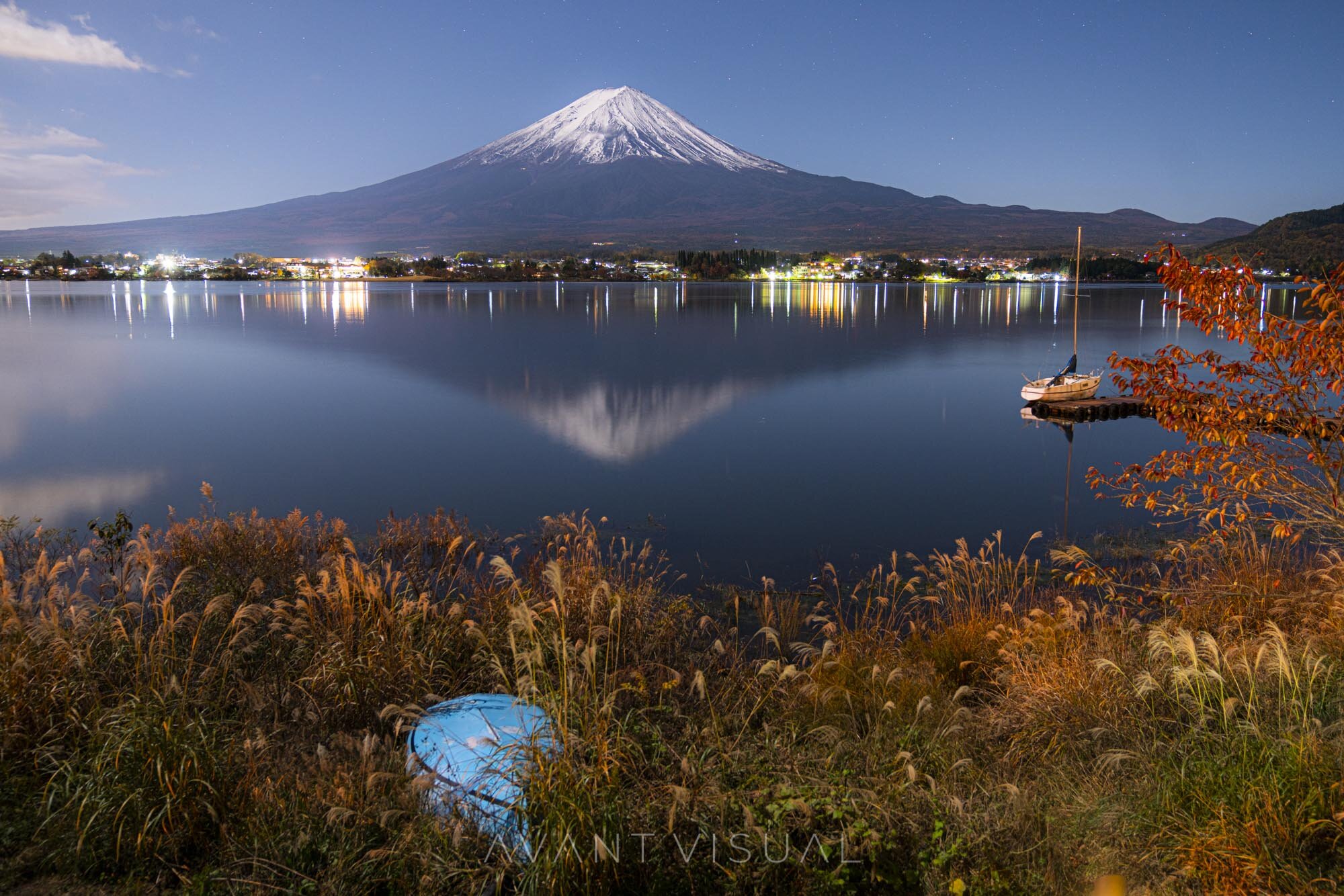

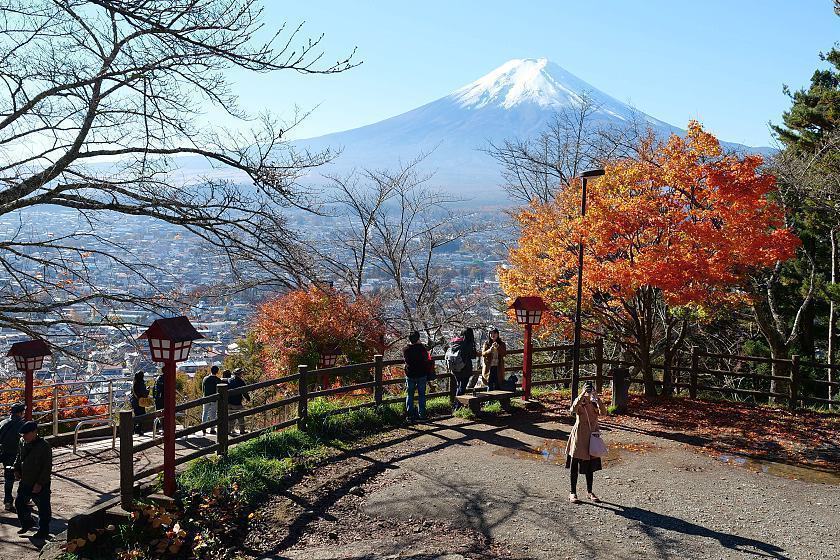
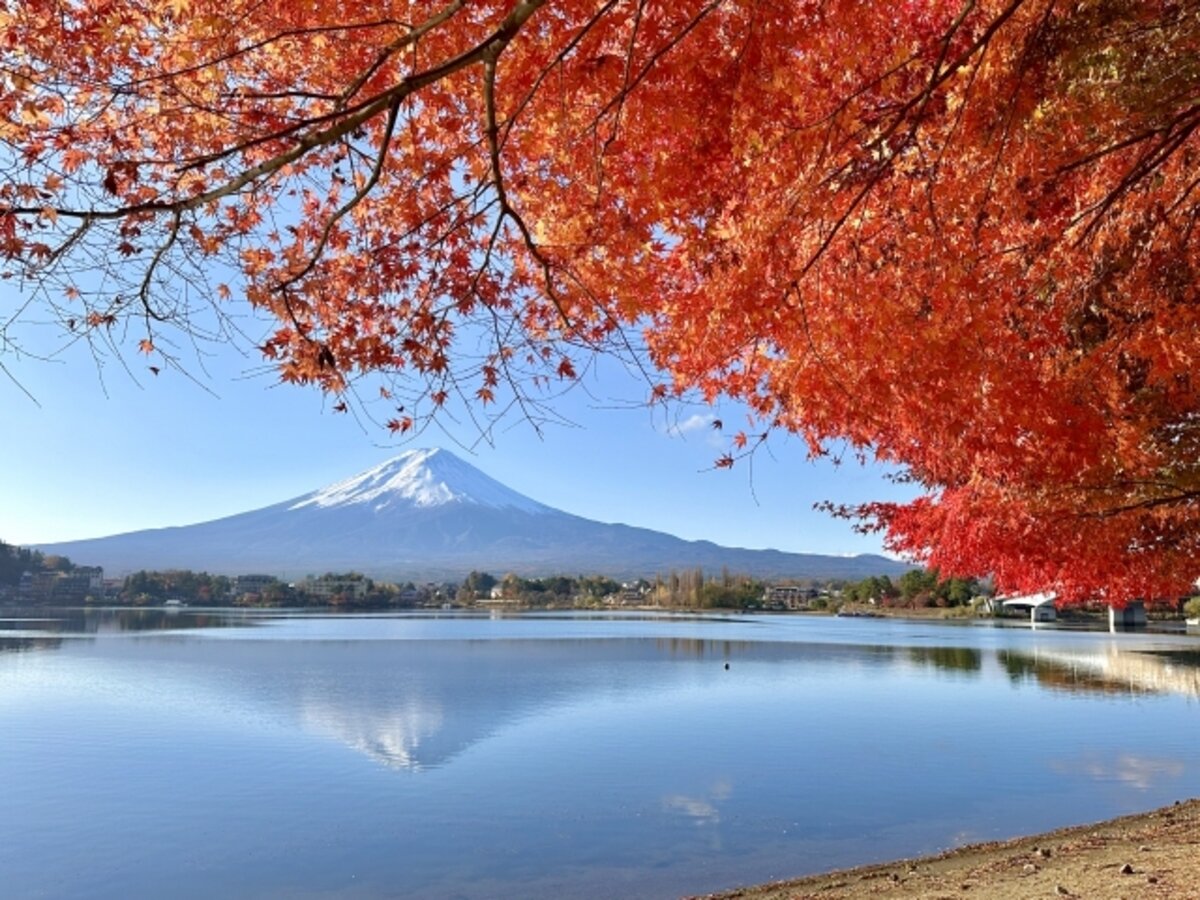
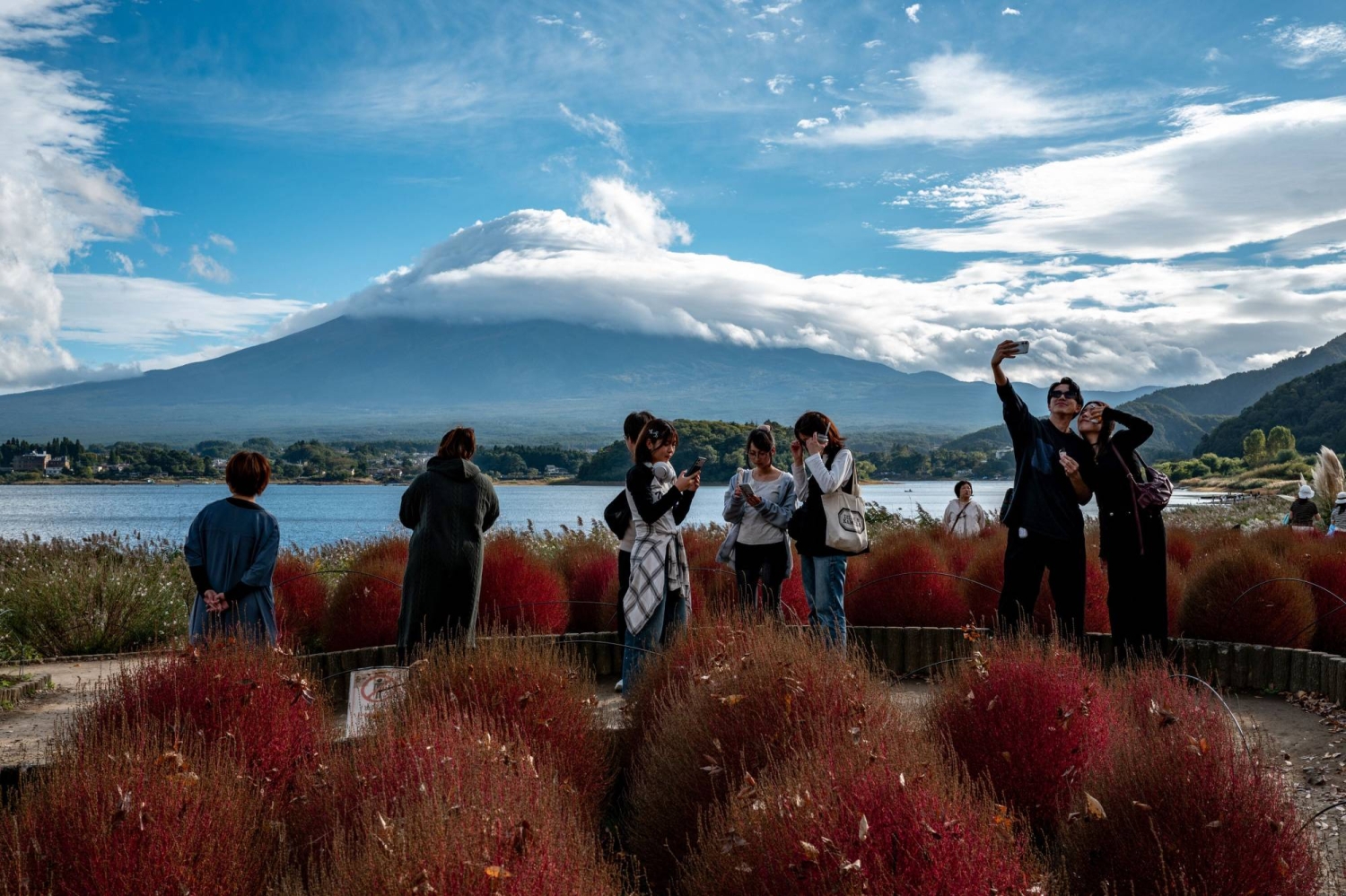
The Fuji Five Lakes region offers some of the best photo spots in Japan. Lake Kawaguchi is especially popular for cherry blossom and autumn foliage views with Mount Fuji in the background.
This area is ideal for travelers who prefer sightseeing over climbing.


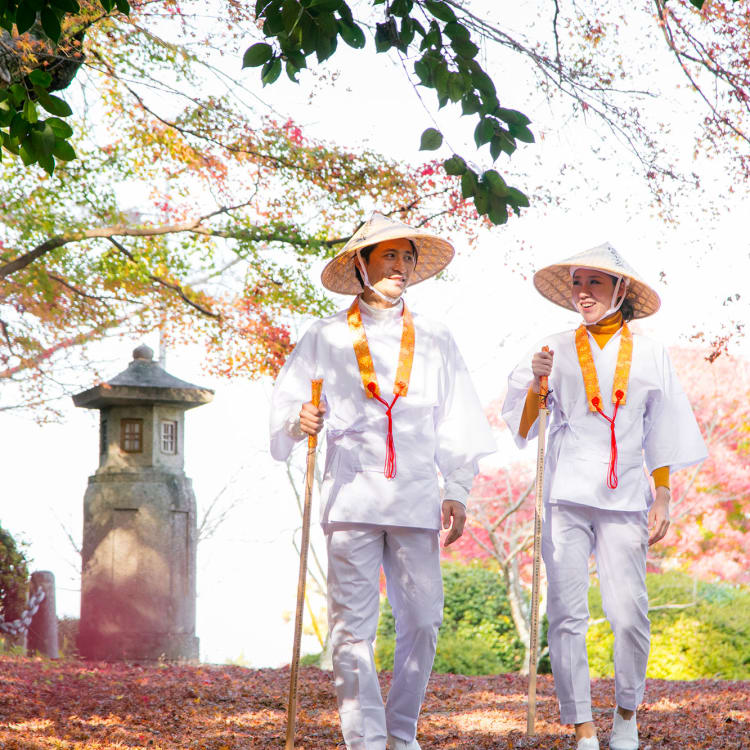
For centuries, Mount Fuji has been considered sacred in Shinto belief. Pilgrims once climbed the mountain as a spiritual journey.
At its base stands Fujisan Hongu Sengen Taisha, the head shrine dedicated to the mountain’s deity.



Mount Fuji appears in countless paintings, literature, and poems. The most famous artwork inspired by Fuji is The Great Wave off Kanagawa by Katsushika Hokusai.
Its image symbolizes beauty, resilience, and national identity.
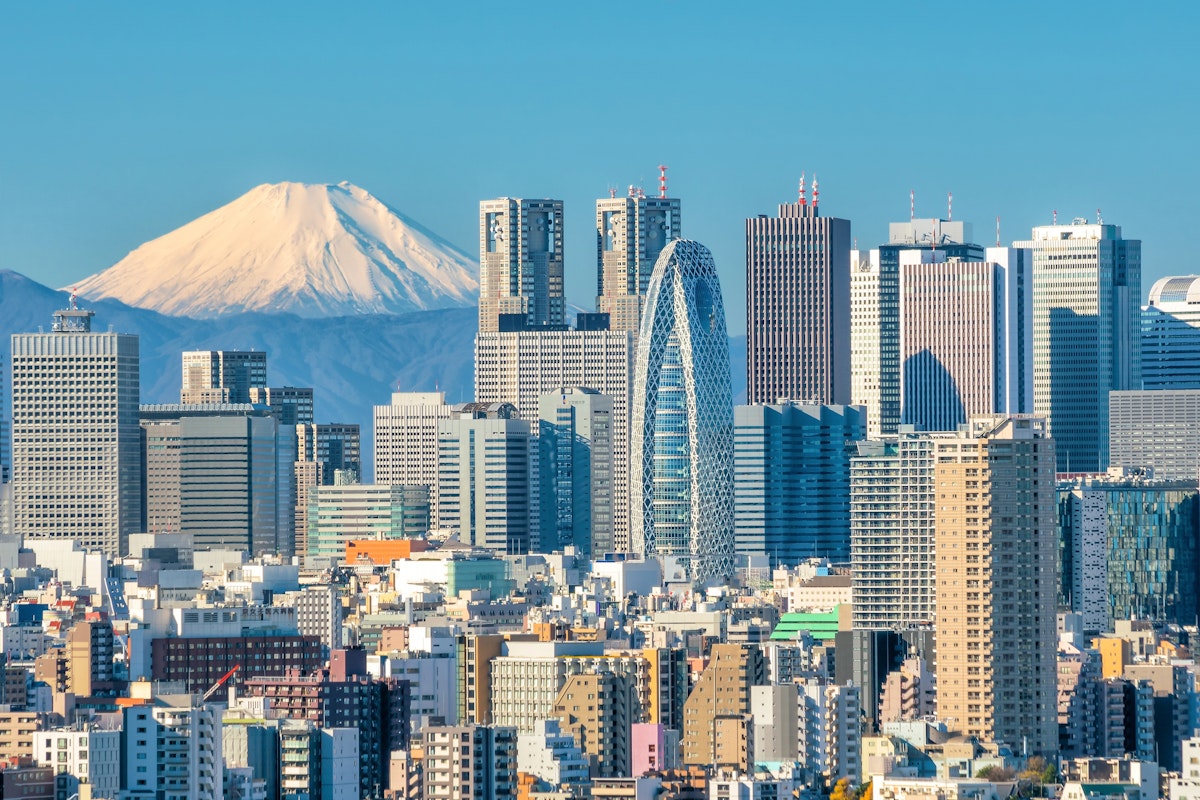
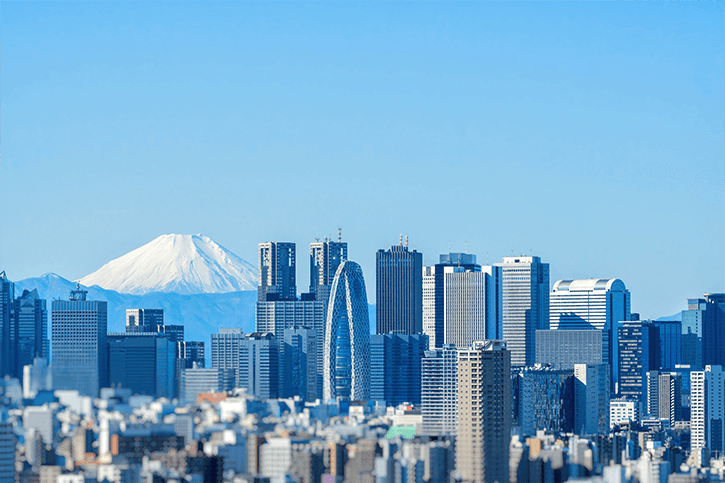
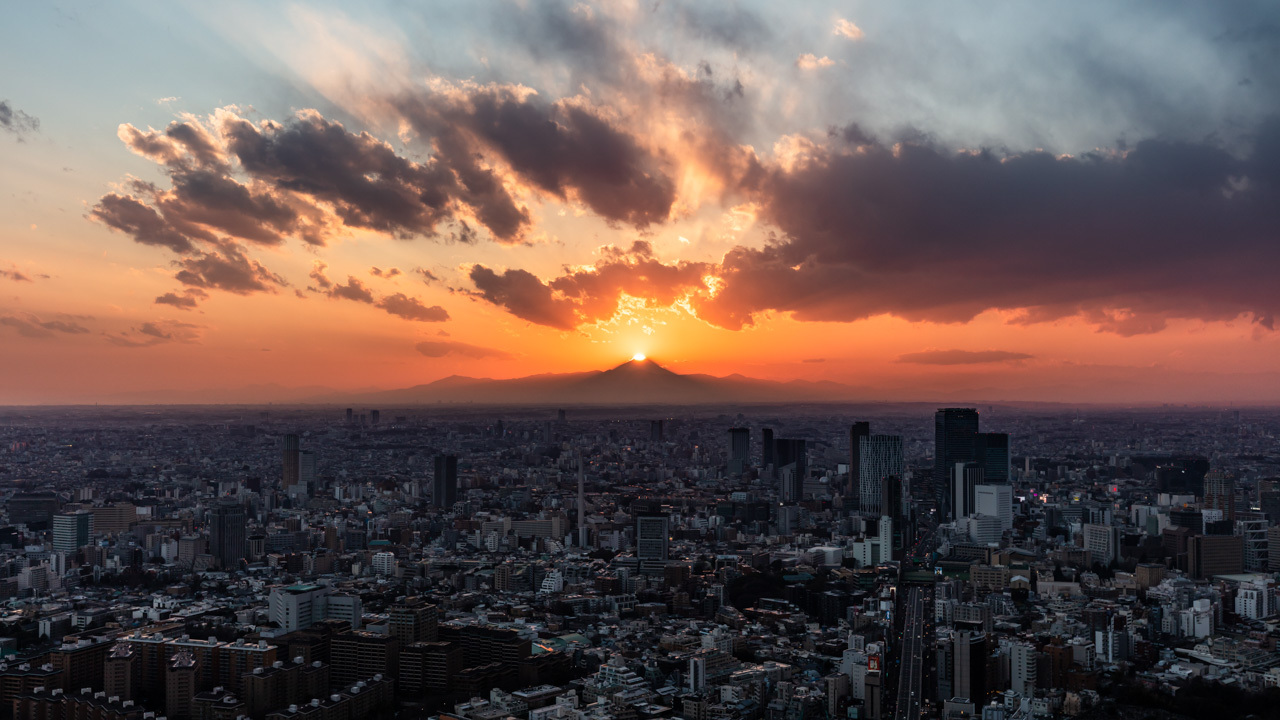
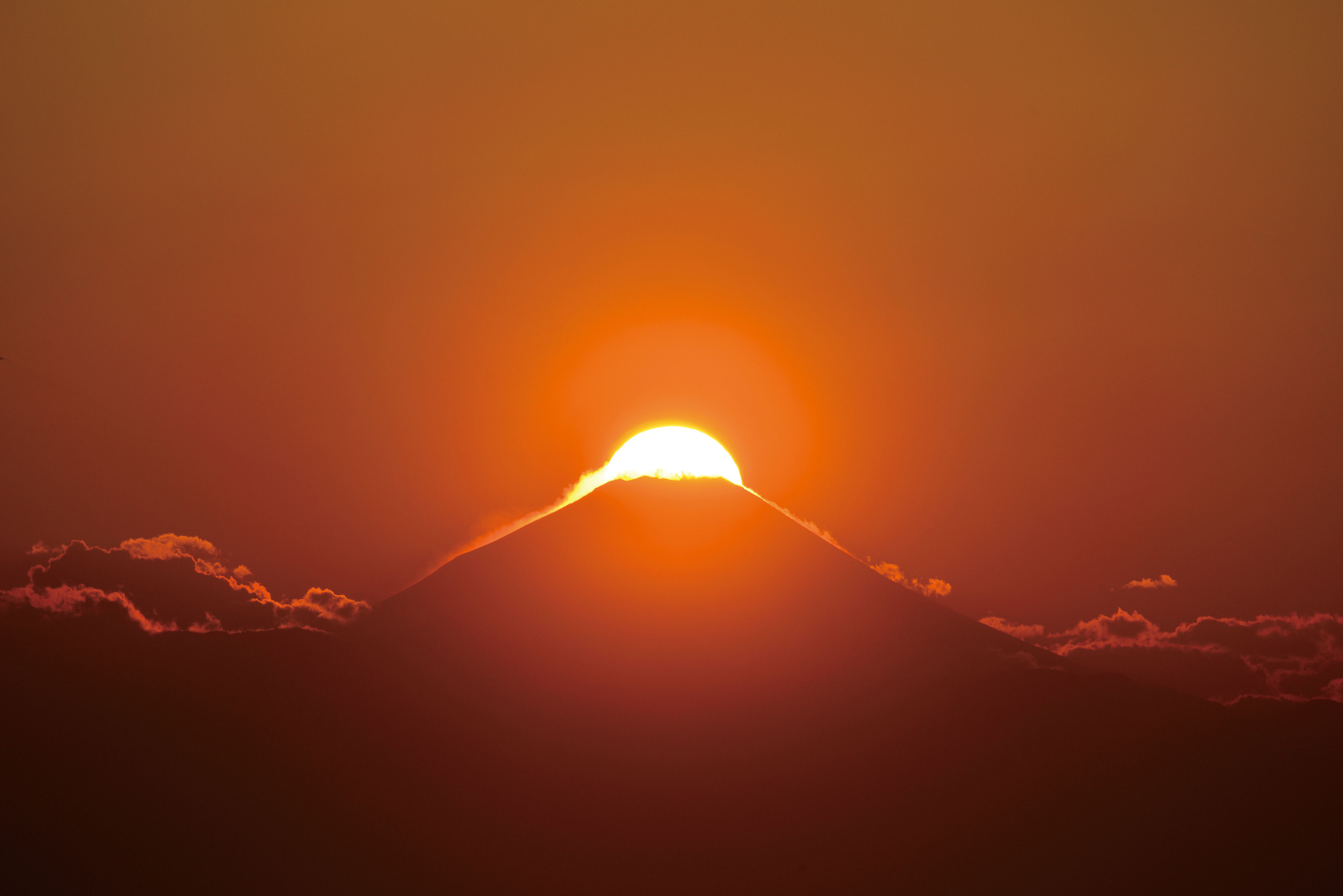
On clear winter mornings, Mount Fuji can be seen from high-rise observation decks in Tokyo. The view from the Shinkansen (bullet train) between Tokyo and Osaka is also spectacular.
For the best chance, visit during December–February.
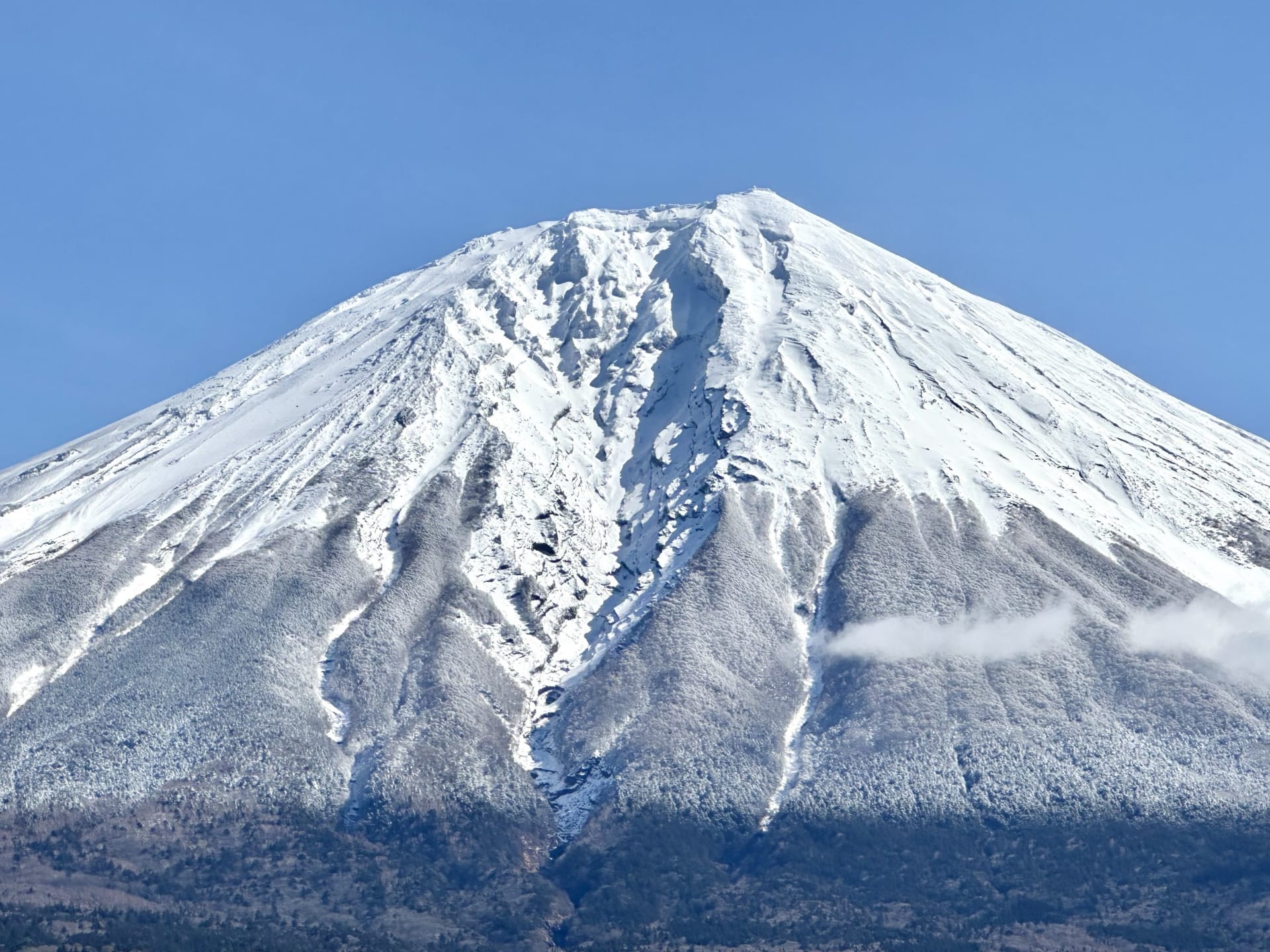
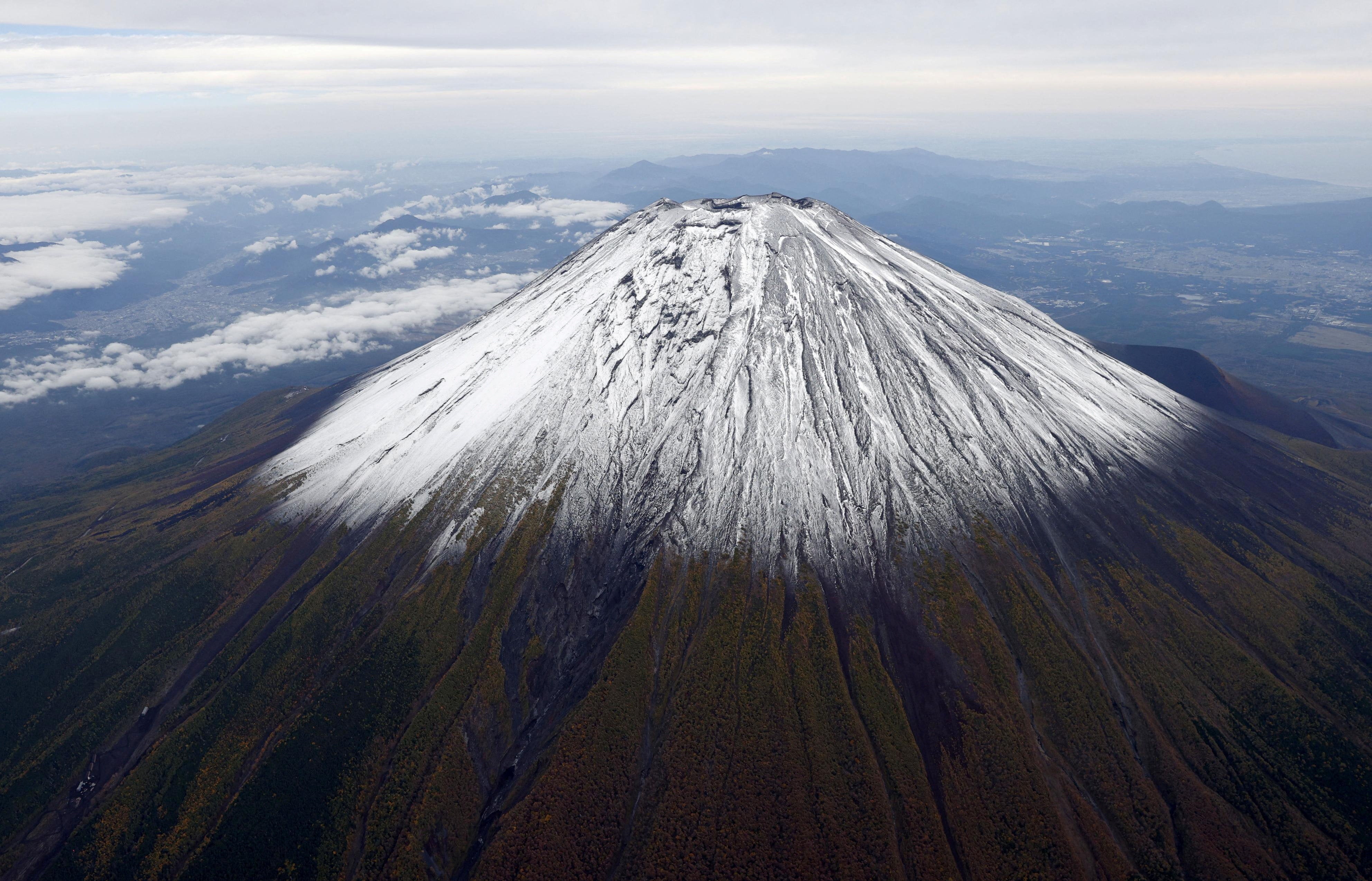
The mountain’s iconic snow cap usually appears from late autumn through spring, creating the classic postcard image.
Summer offers climbable conditions, but winter provides the most photogenic views.
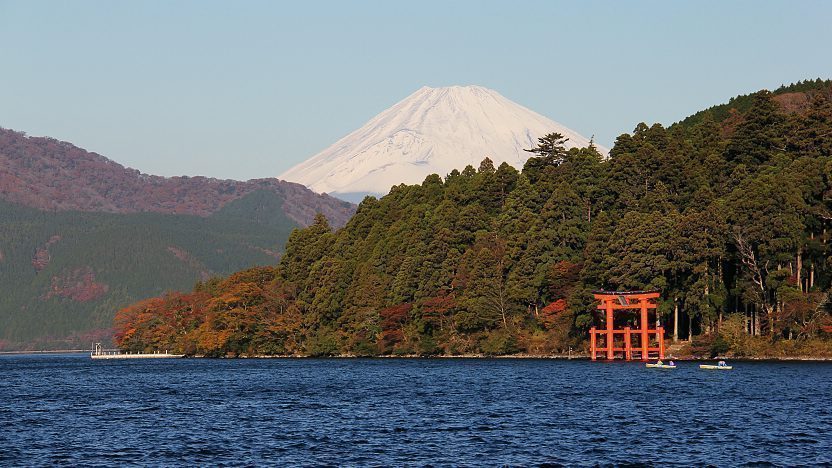


Destinations like Hakone and Kawaguchiko make visiting Mount Fuji easy without an overnight stay.
From Tokyo, it takes about 2–2.5 hours by train or bus to reach the Fuji area.
Whether you climb to the summit, photograph it from a lakeside, or admire it from a bullet train window, Mount Fuji is one of the most unforgettable experiences in Japan.