Japan’s railway system is world-famous for its precision, speed, and innovation — but the train stations in Japan are just as impressive. From record-breaking passenger numbers to futuristic architecture, Japanese train stations are destinations in themselves.
Whether you're planning a Japan itinerary or simply fascinated by world-class transport systems, here are 10 incredible facts about train stations in Japan — complete with visuals to inspire your next trip.


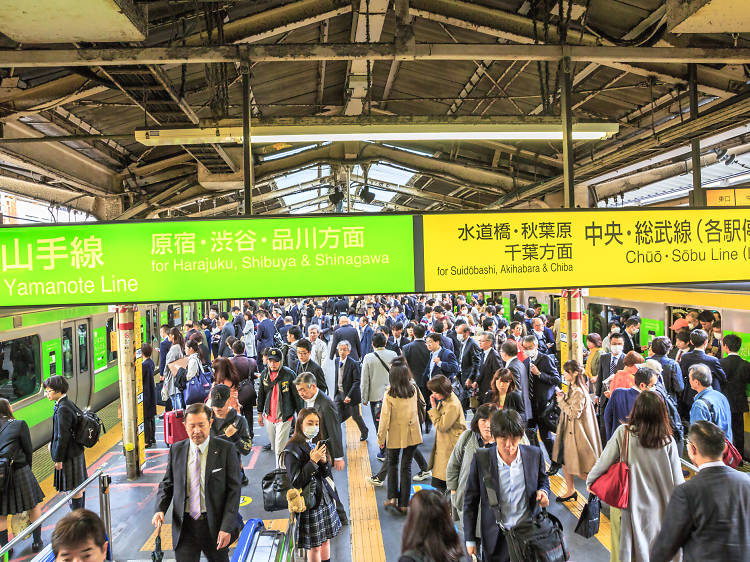

Located in the heart of Tokyo, Shinjuku Station serves over 3 million passengers per day. With more than 200 exits and multiple railway companies operating inside, it’s practically a city within a city.
🔎 Travel Tip: Use station maps or navigation apps — first-timers can easily get lost!

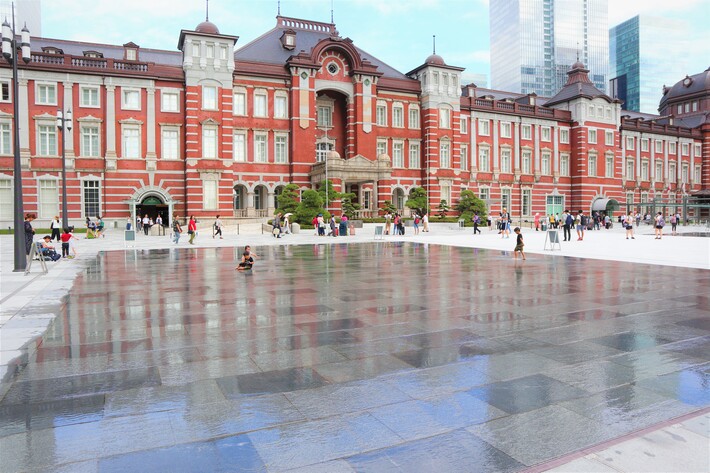

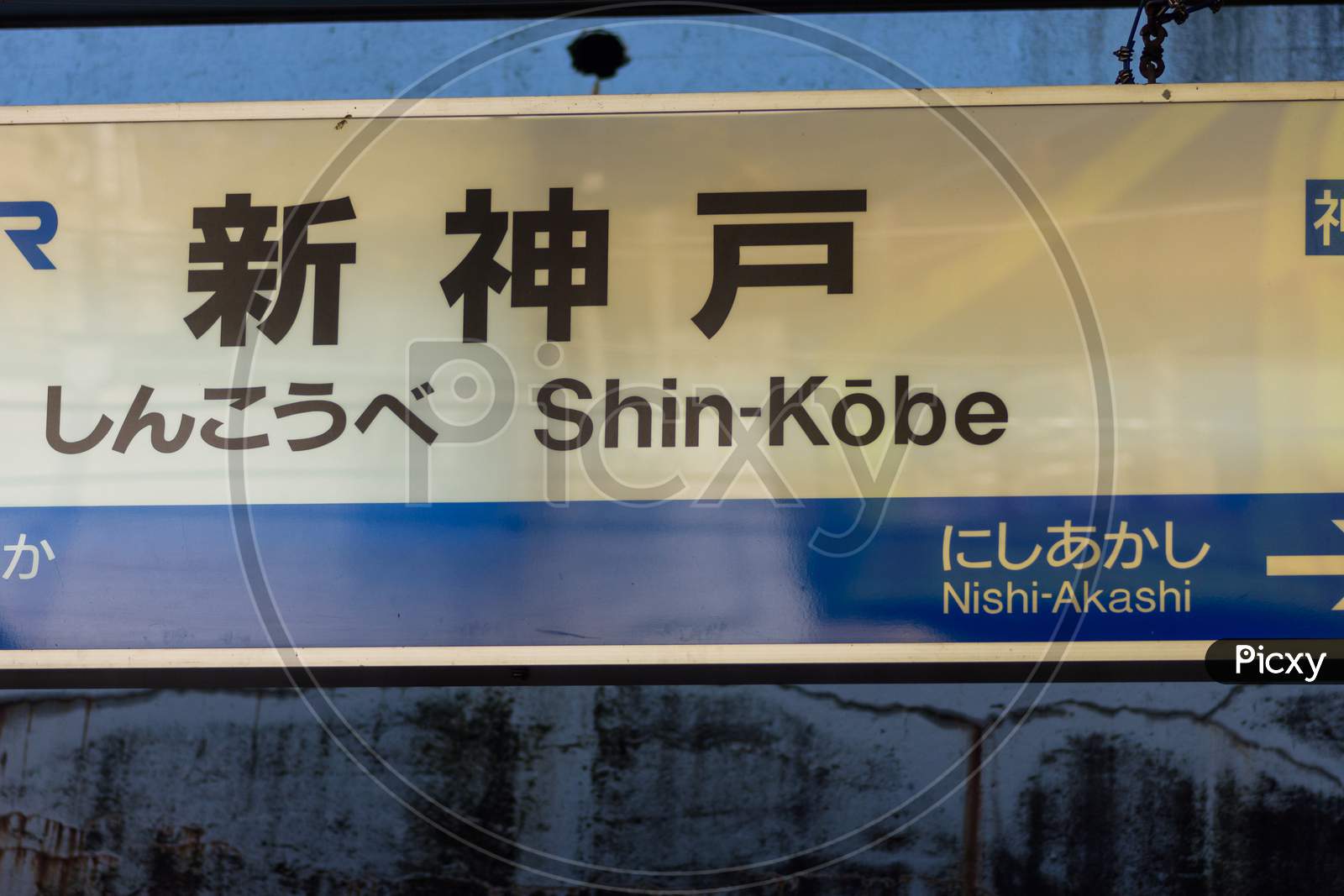
The iconic Shinkansen (bullet train) connects major cities at speeds up to 320 km/h. Major hubs like Tokyo Station serve as gateways to cities like Kyoto and Osaka.
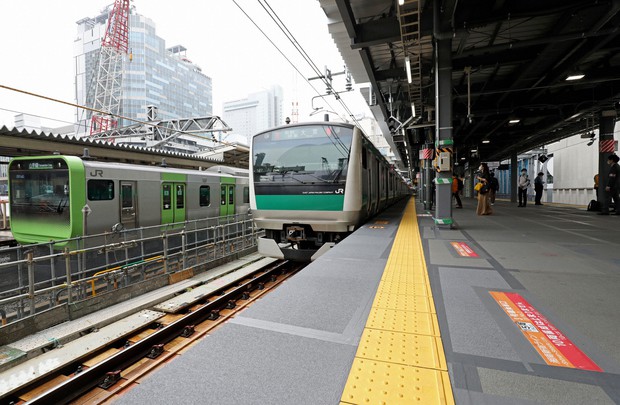
These stations are known for spotless platforms, clear signage, and incredible punctuality.

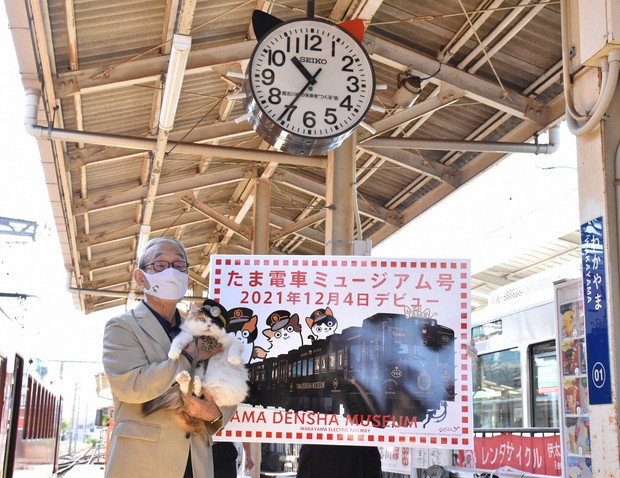
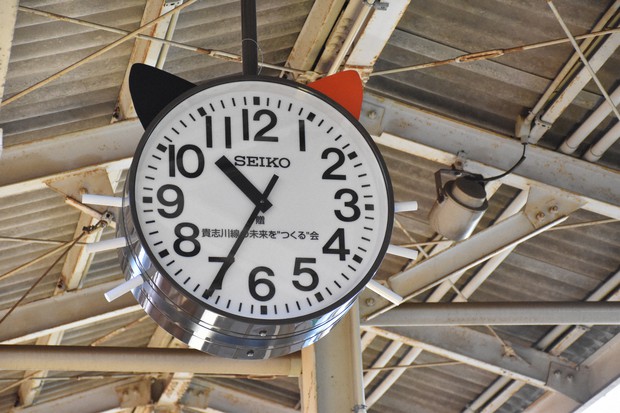
Train delays in Japan are measured in seconds — not minutes. If a train is late by even 60 seconds, staff may issue delay certificates for commuters.
Rail companies like Japan Railways Group are globally recognized for operational excellence.
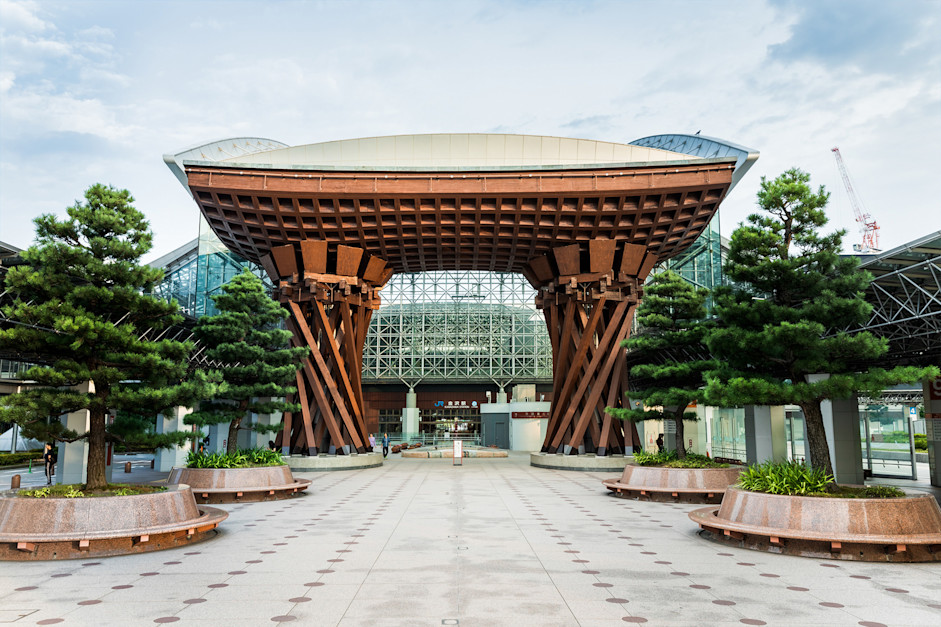


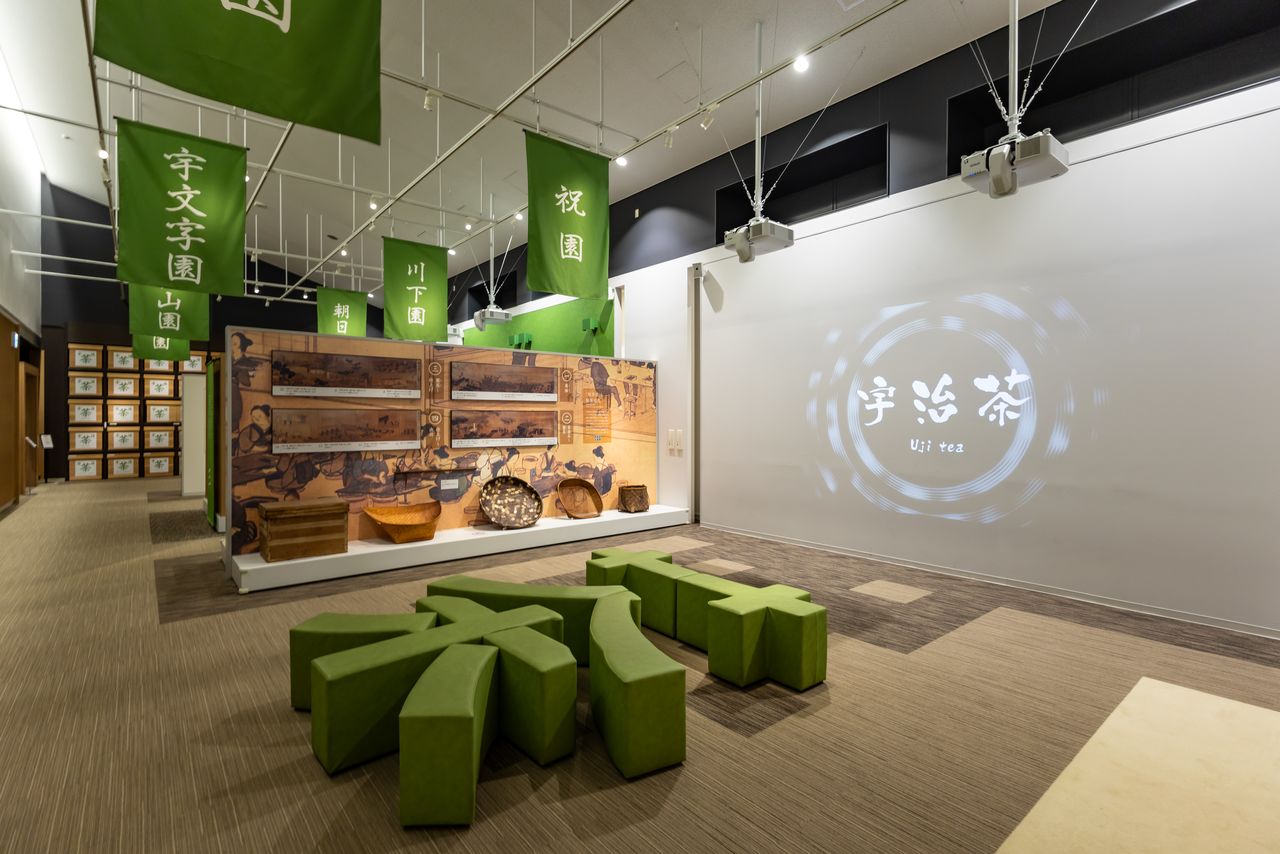
Japanese train stations often reflect regional culture. For example:
Kanazawa Station features the stunning Tsuzumi Gate.
Kumamoto Station showcases local mascot Kumamon.
Each station feels like a gateway to local identity.




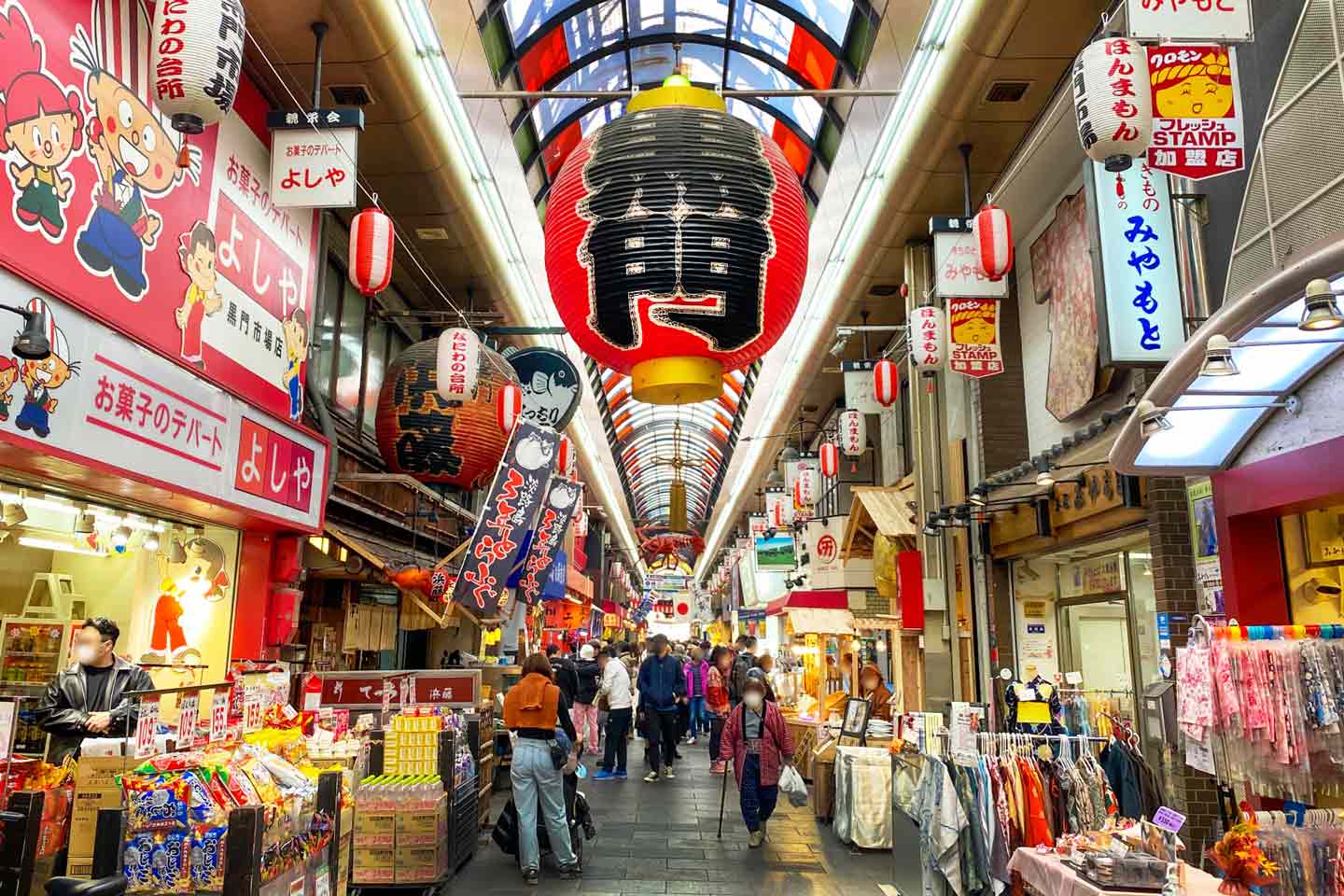
Major stations function as shopping malls. Inside Osaka Station, you’ll find department stores, ramen alleys, and souvenir shops.
Don’t miss trying an ekiben (regional bento box) before boarding your train!


During spring, stations like Nakameguro Station transform into sakura viewing spots. Trains passing through cherry blossom tunnels create unforgettable scenes.
Spring is one of the best times to explore Japan by rail.

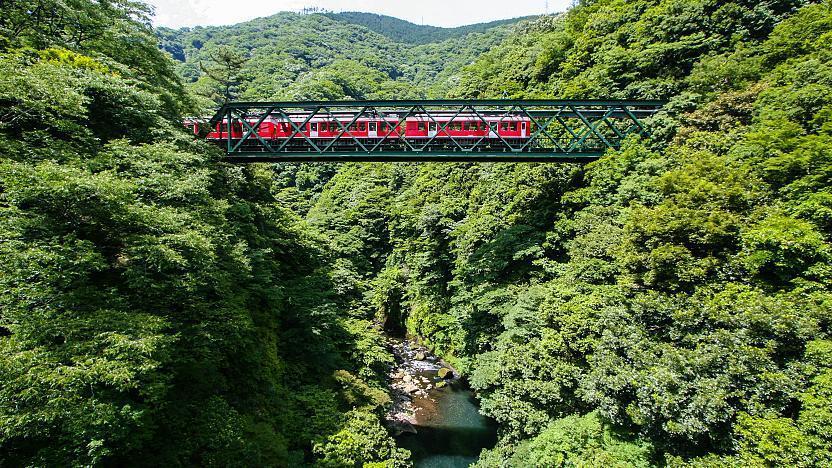
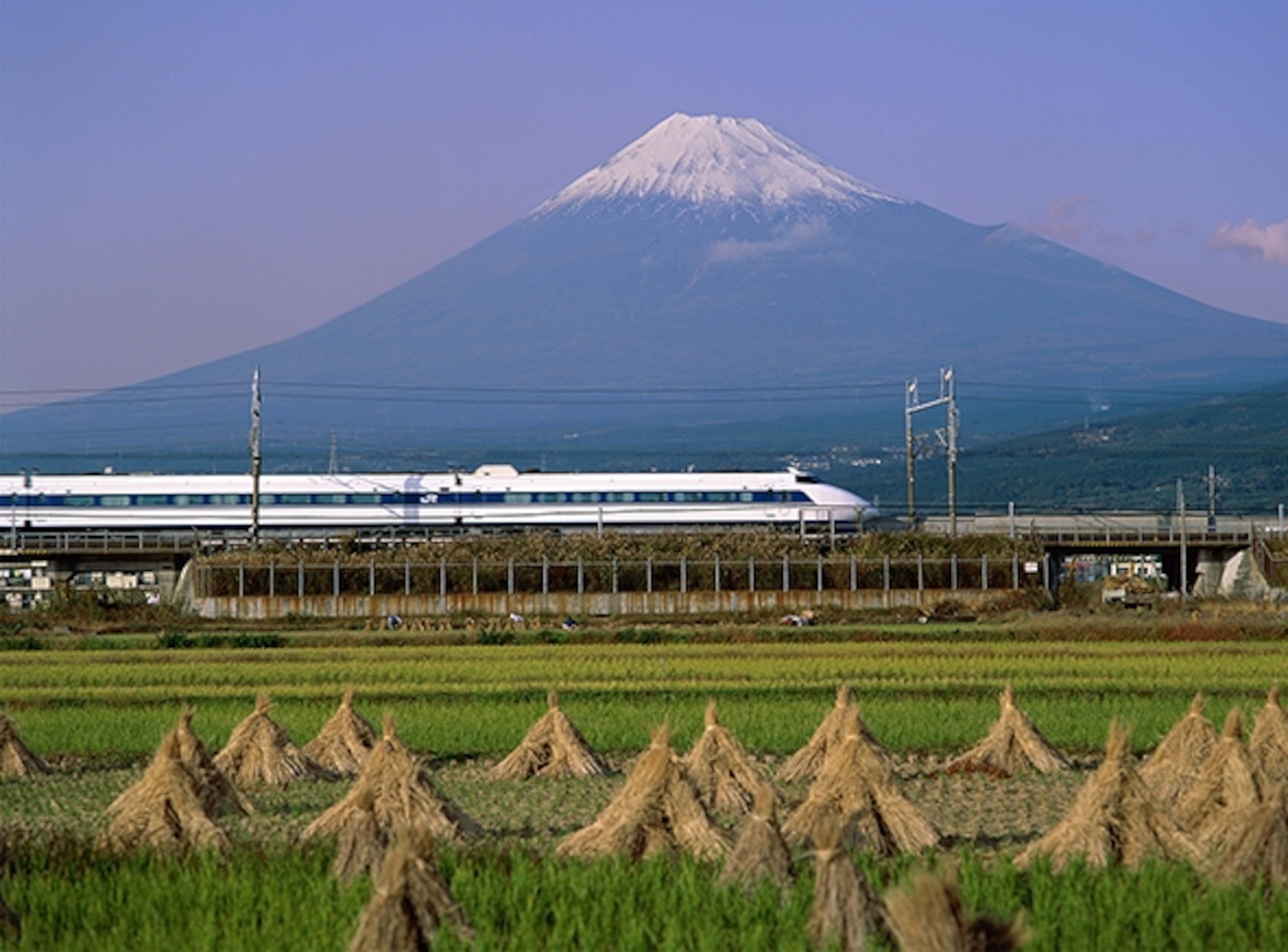

Stations near scenic regions offer breathtaking backdrops. From Kawaguchiko Station, travelers can admire Mount Fuji towering above.
It’s rail travel combined with postcard-worthy scenery.

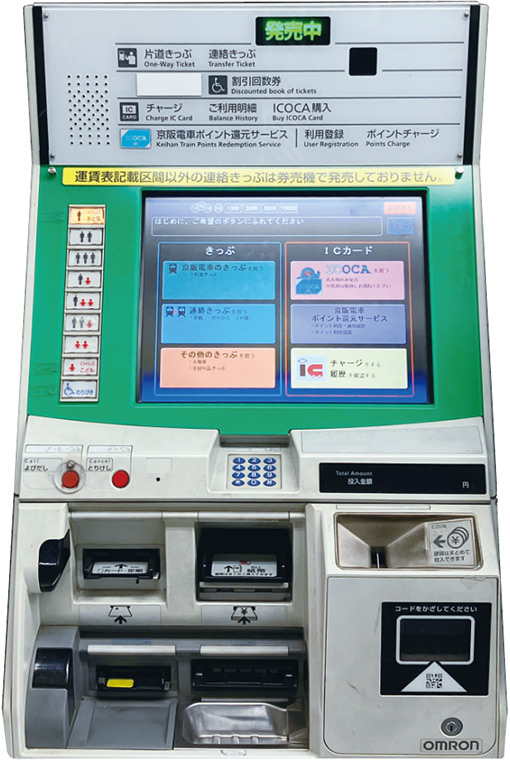
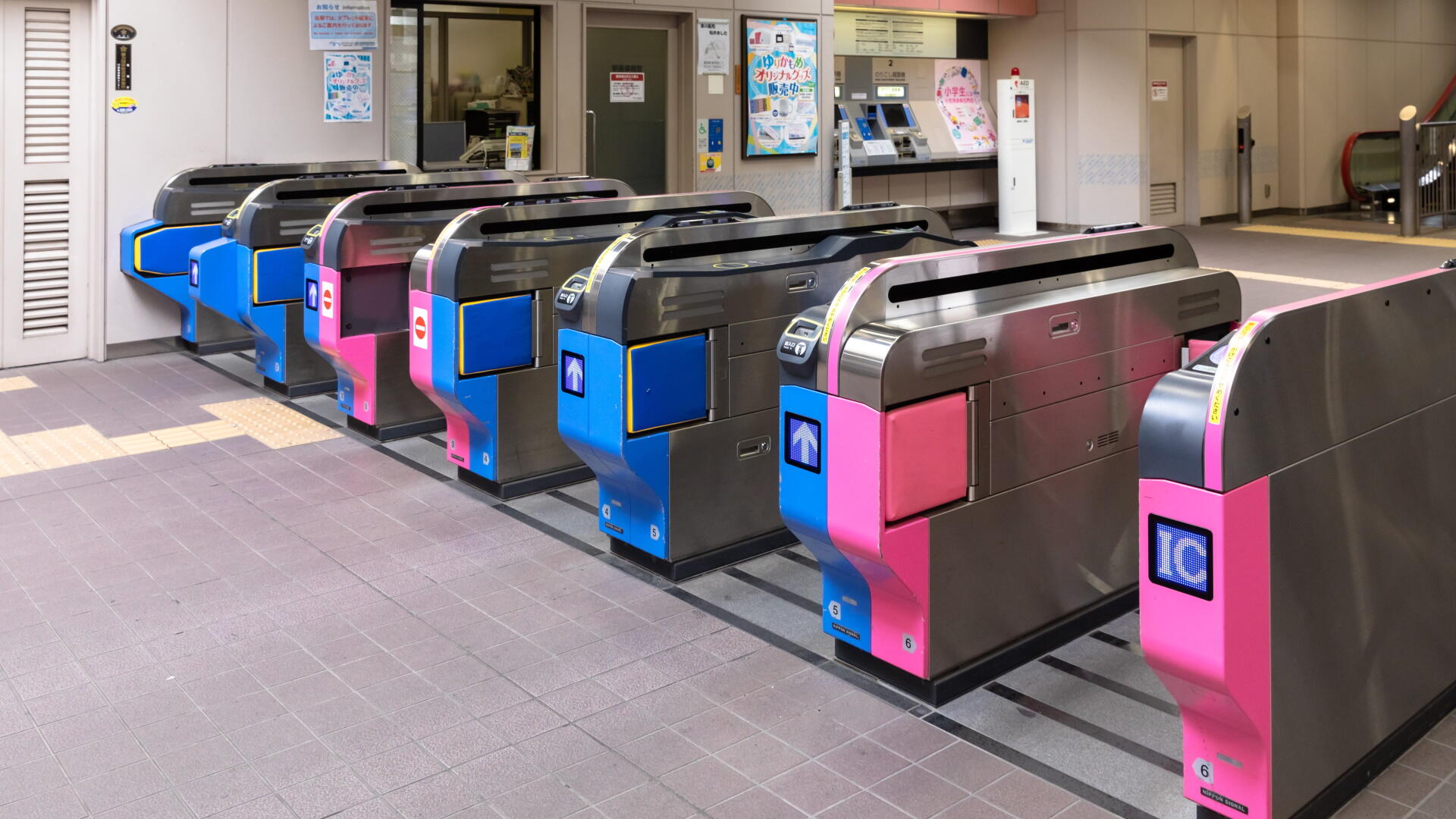
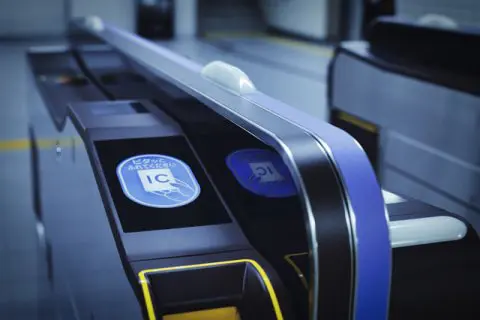
Japan’s IC cards like Suica and PASMO allow seamless tap-and-go travel.
Stations feature multilingual machines and smart gates, making navigation simple even for first-time visitors.


The red-brick facade of Tokyo Station dates back to 1914 and blends European-inspired architecture with Japanese precision.
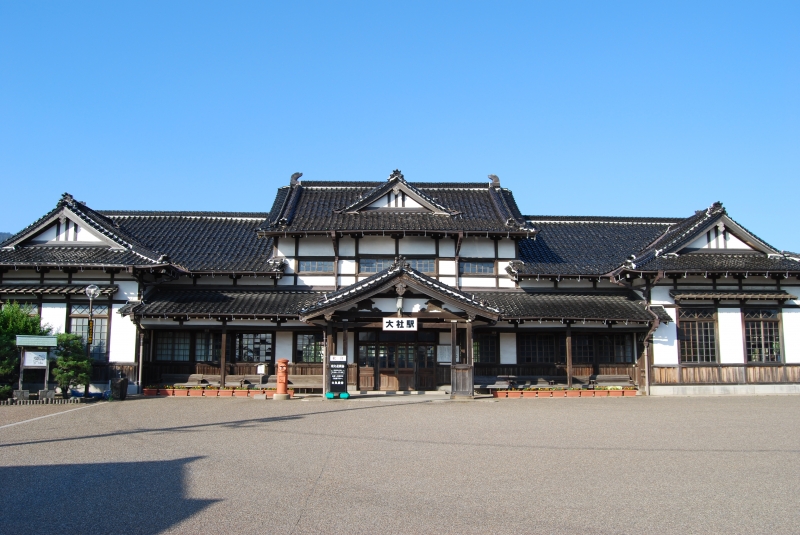
Some rural stations have remained beautifully preserved for decades.


Many stations play distinct melodies before train departures. Some are regionally themed, while others are pop-culture inspired.
For example, certain stations in Tokyo use songs connected to local neighborhoods — adding charm to everyday commuting.
Japanese train stations are more than transport hubs — they are cultural landmarks, shopping destinations, architectural icons, and technological marvels.
From the organized chaos of Shinjuku to the serene mountain views near Mount Fuji, rail travel in Japan is an experience in itself.
Planning a Japan trip? Make time to explore the stations — not just pass through them.