China is a vast country filled with dramatic landscapes, ancient architecture, and vibrant cultural scenes. From misty mountains to futuristic skylines, photographers will find endless inspiration across its diverse regions. Whether you're capturing nature, history, or city life, these destinations offer some of the most photogenic locations in China.
Below are some of the best photography spots in China that should be on every travel photographer’s list.

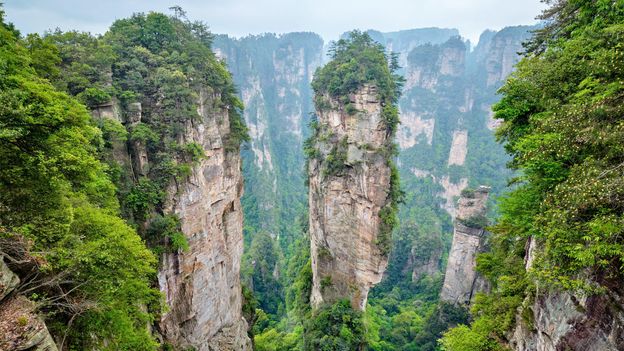


Located in Zhangjiajie National Forest Park, this surreal landscape is famous for towering sandstone pillars that appear to float through the mist. The scenery famously inspired the floating mountains in the movie Avatar.
Photographers love this area for its constantly changing atmosphere. Fog rolls through the valleys, creating a mystical environment that transforms every photograph.
Best photo opportunities
Sunrise at Tianzi Mountain
Dramatic cliff views from Yuanjiajie Scenic Area
The famous Bailong Elevator
Photography tip: Visit early morning when fog creates the iconic “floating mountain” look.
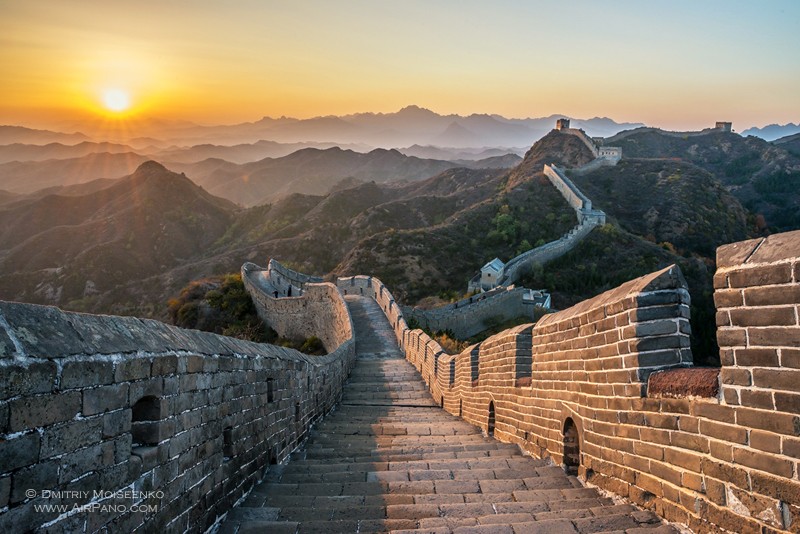
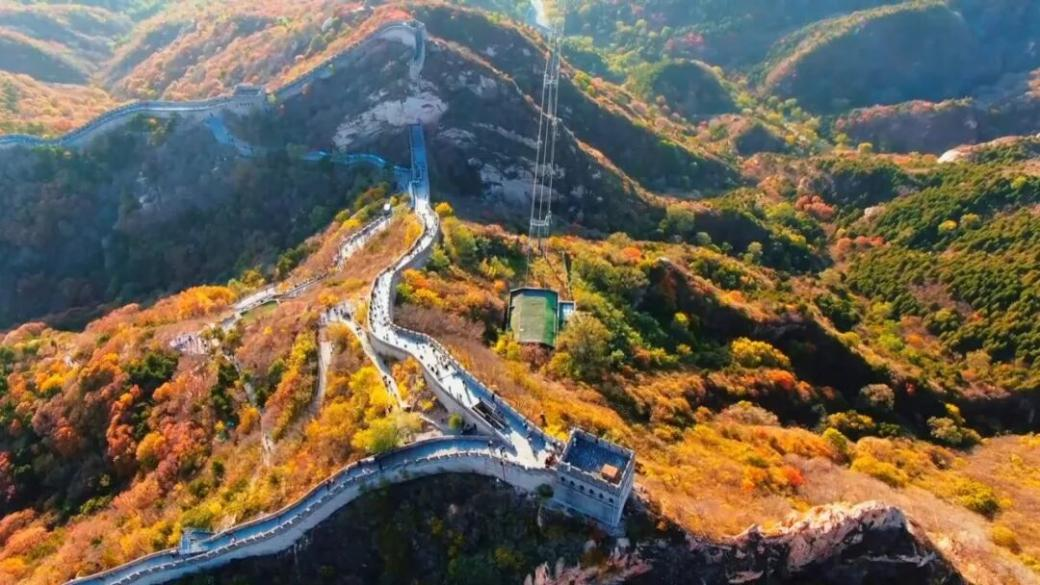
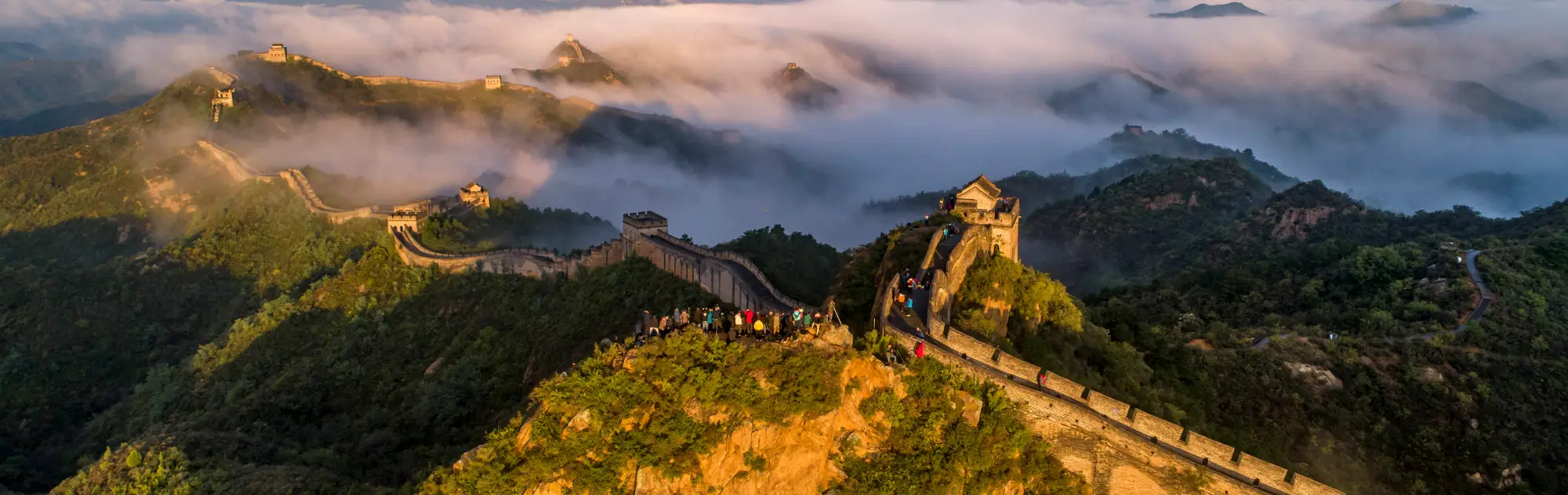

Few landmarks in the world are as recognizable as the Great Wall of China. Stretching thousands of kilometers across mountains and deserts, it offers endless perspectives for photographers.
The wall snakes dramatically across rugged landscapes, making it perfect for wide-angle shots and aerial photography.
Best sections for photography
Jinshanling Great Wall – rugged and less crowded
Mutianyu Great Wall – beautiful views with restored watchtowers
Simatai Great Wall – great for dramatic compositions
Photography tip: Visit during autumn when the surrounding mountains turn vibrant shades of red and gold.


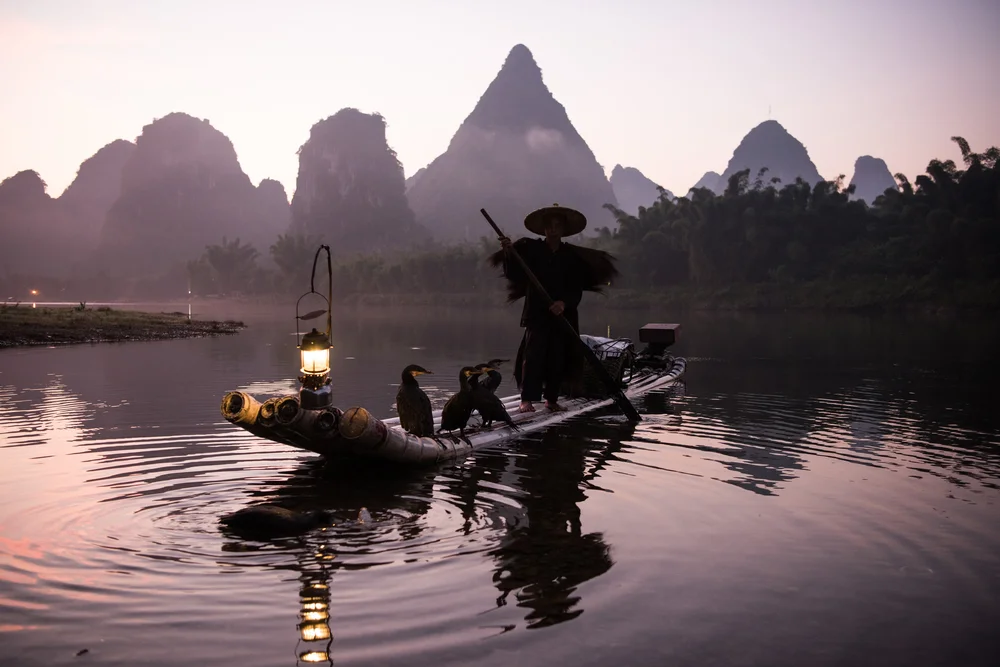

The breathtaking karst landscape around Guilin and Yangshuo is one of the most iconic landscapes in China. Jagged limestone peaks rise sharply from lush farmland and winding rivers.
The Li River offers especially dramatic views, particularly at sunrise when mist lingers between the mountains.
Popular photo subjects
Traditional fishermen with lanterns on bamboo rafts
Sunrise reflections on the Li River
Karst mountains from Xingping Ancient Town
Photography tip: Use a telephoto lens to compress the layers of karst peaks.
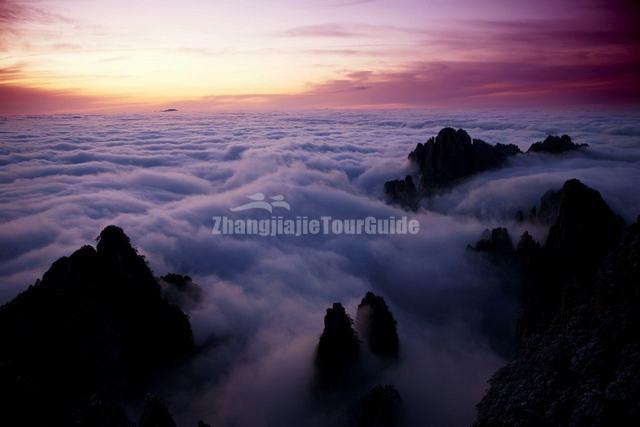
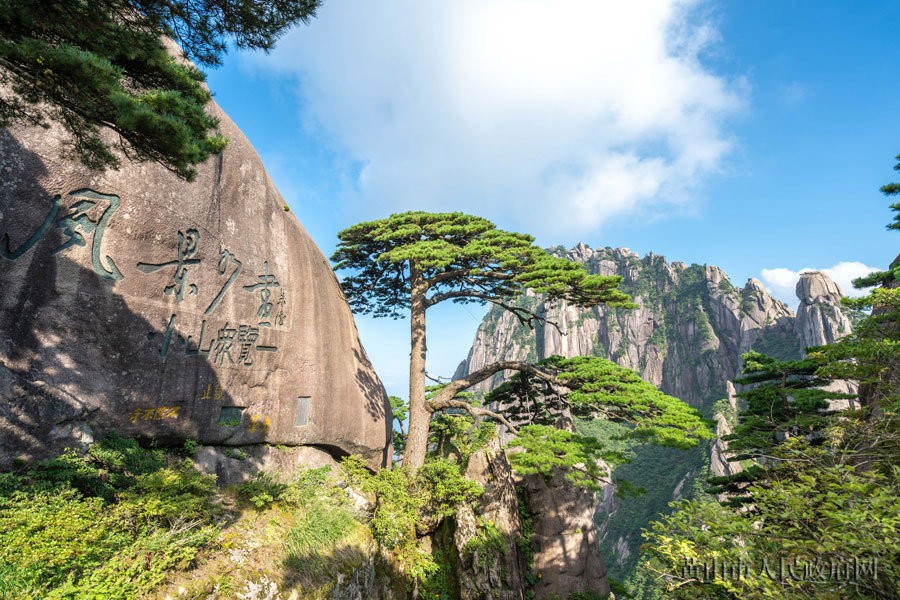

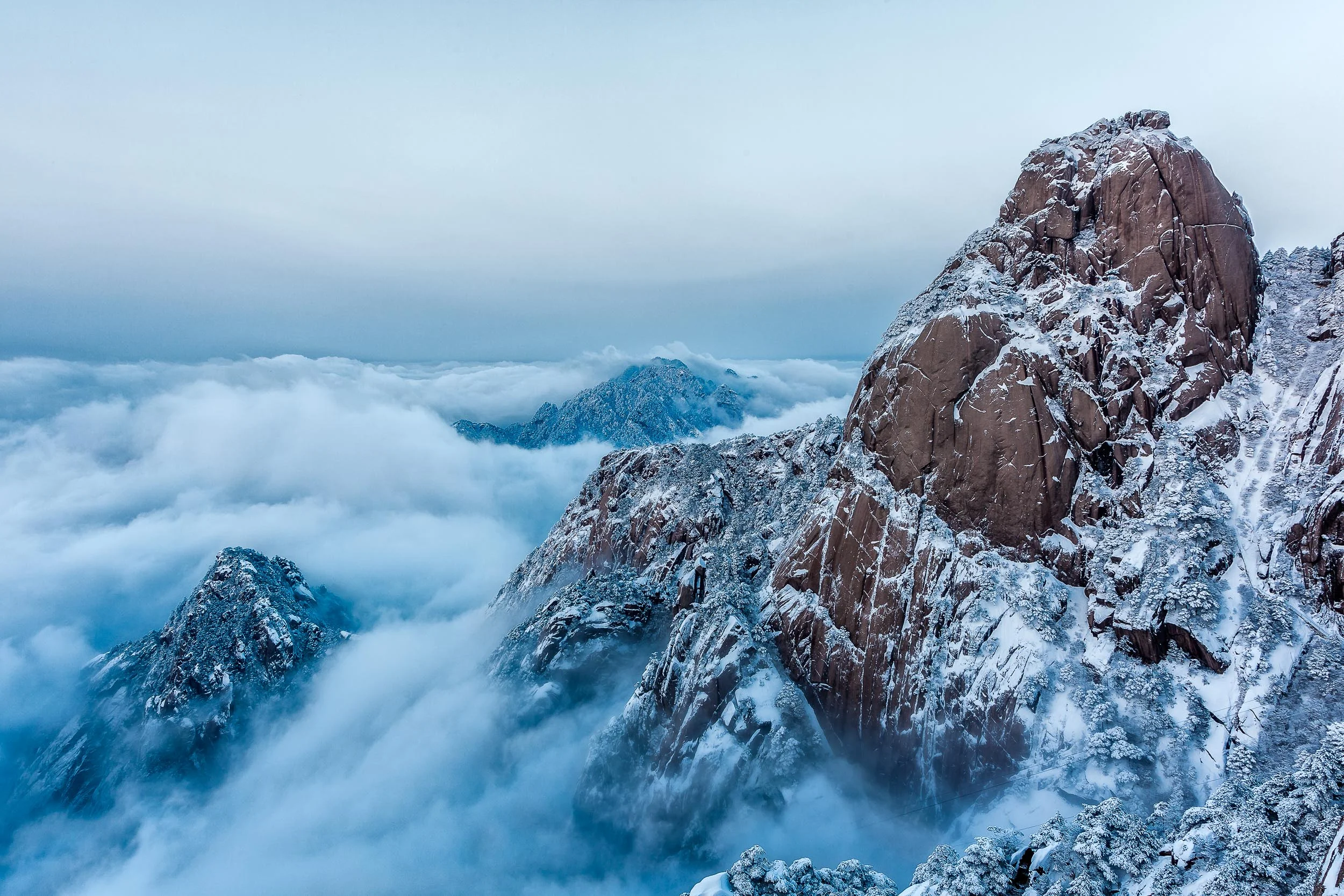
The legendary Huangshan is famous for its granite peaks, ancient pine trees, and mystical sea of clouds. These mountains have inspired Chinese painters and poets for centuries.
Photographers come here hoping to capture the magical moment when clouds roll through the valleys below the peaks.
Best viewpoints
Bright Summit Peak
Beginning-to-Believe Peak
Lion Peak
Photography tip: Stay overnight on the mountain to capture both sunset and sunrise above the clouds.


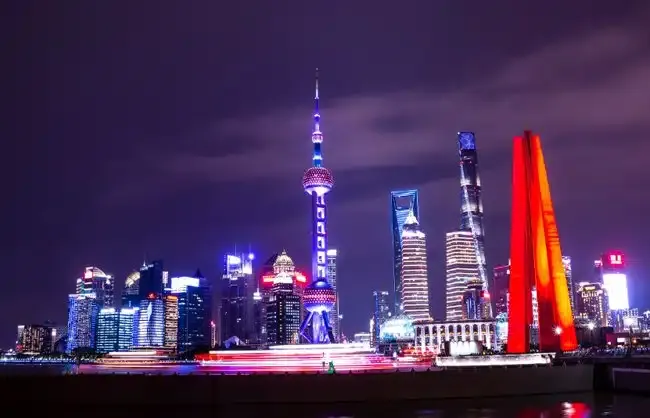
For urban photographers, few skylines rival Shanghai. The futuristic skyscrapers of Lujiazui create an incredible contrast against the historic colonial buildings along The Bund.
At night, neon lights illuminate the skyline, producing one of Asia’s most impressive cityscapes.
Best photography locations
The Bund waterfront
Shanghai Tower observation deck
Oriental Pearl Tower area
Photography tip: Use a tripod for long-exposure shots to capture river reflections and light trails.
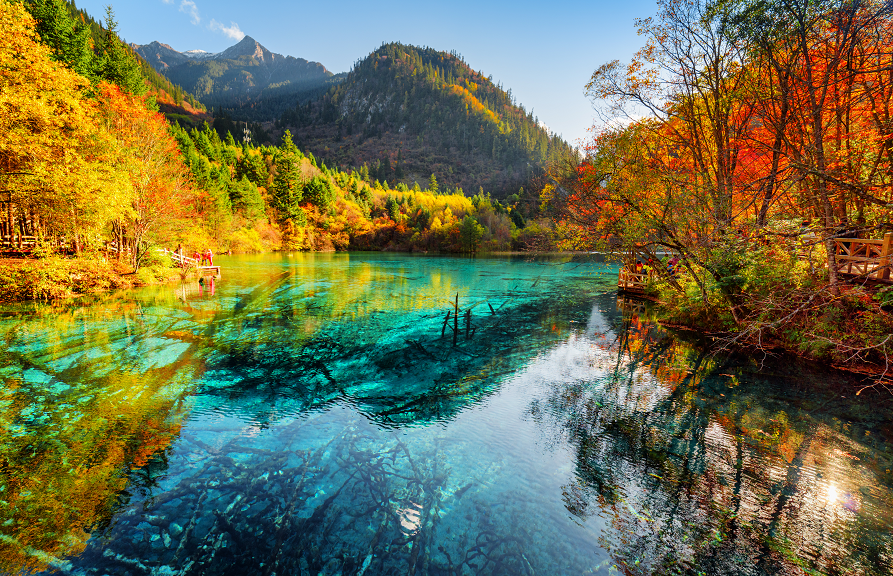

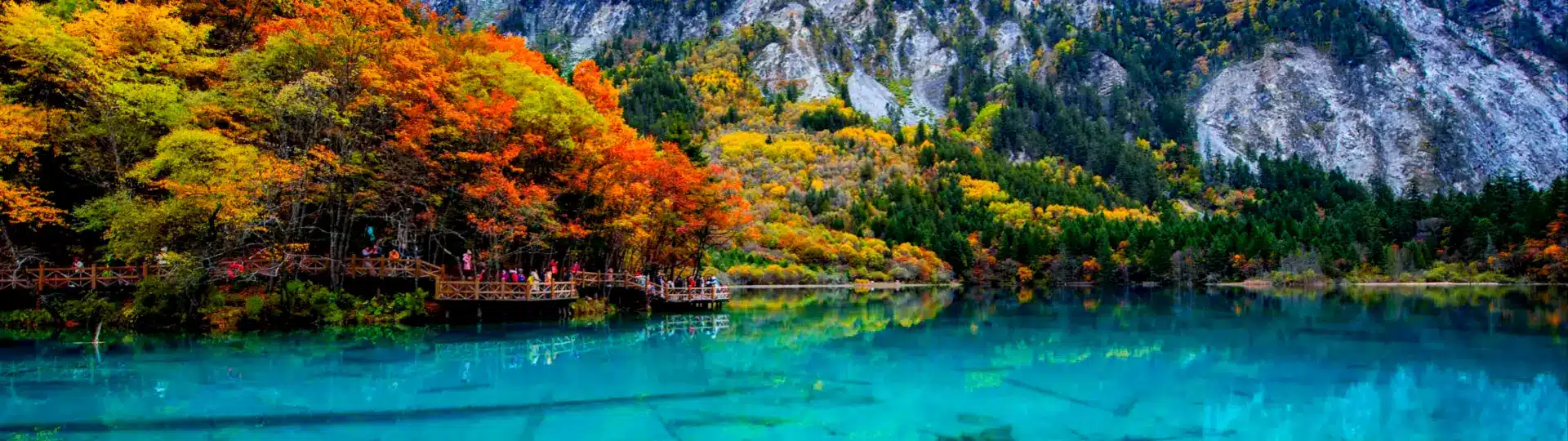
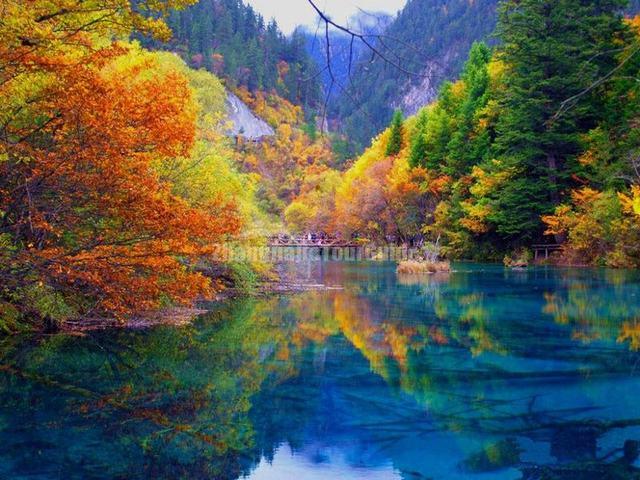
Located in Jiuzhaigou Valley, this UNESCO-listed nature reserve is famous for crystal-clear lakes, colorful forests, and cascading waterfalls.
The water here is so clear that fallen trees are visible beneath the surface, creating surreal photographic compositions.
Best photo spots
Five Flower Lake
Nuorilang Waterfall
Mirror Lake
Photography tip: Autumn is the most photogenic season, with vibrant red and gold foliage surrounding the turquoise lakes.
China offers some of the most diverse photography destinations in the world. From the mystical mountains of Zhangjiajie National Forest Park to the vibrant skyline of Shanghai, every region provides unique opportunities for incredible travel photography.
Whether you're shooting landscapes, cultural scenes, or city skylines, these locations represent the best photography spots in China and are guaranteed to inspire photographers of every level.
📷 Travel Tip: Plan your trips around sunrise and sunset for the most dramatic lighting and fewer crowds.