




 Editor
Cultural Etiquette & Travel Tips for Japan, China, Indonesia, Jamaica & Europe
Travel is about more than checking famous landmarks off a bucket list.
🌍 Cultural Etiquette & Travel Tips Around the World: How to Respect Local Customs Wherever You Go
🌎 Before You Travel: Learn the Culture, Not Just the Destination
Travel is about more than checking famous landmarks off a bucket list.
The best trips often happen when you take time to understand how people live, communicate, eat, greet one another, dress, and interact with their surroundings.
A gesture that is perfectly normal at home can have a completely different meaning somewhere else. From removing your shoes before entering a Japanese home to dressing appropriately at religious sites in Indonesia, cultural awareness can make your travels smoother and your interactions with local people more meaningful.
And here's the important part: there isn't one universal rulebook for an entire country. Customs can vary by region, religion, age group, community, and situation.
Think of these tips as a starting point—not a substitute for paying attention to the people and place around you.
🇯🇵 1. Japan: Respect, Quietness & Consideration


Japan is famous for its combination of ancient traditions, modern cities, incredible food, and highly organized public transportation. Understanding a few basic customs can make your experience considerably easier.
👟 Take Your Shoes Off When Required
Removing shoes is common in Japanese homes and can also be required at certain restaurants, temples, accommodations, and other facilities.
When shoes are removed, look for designated areas where they should be placed.
🚆 Keep Your Voice Down on Public Transportation
Japanese trains and buses are generally quiet environments.
The Japan National Tourism Organization recommends keeping conversations quiet and avoiding phone calls on public transportation. Passengers are also expected to queue and allow people to exit before boarding. (Japan Travel)
🙇 A Small Bow Goes a Long Way
You don't need to become an expert in Japanese bowing etiquette.
A simple nod or slight bow accompanied by a polite greeting is generally appropriate for travelers.
Learning a few Japanese expressions can also make interactions easier:
-
Konnichiwa — Hello
-
Arigatō gozaimasu — Thank you
-
Sumimasen — Excuse me / Sorry
-
Onegaishimasu — Please
💴 Don't Assume You Should Tip
Tipping isn't customary in most everyday situations in Japan, including restaurants, taxis, hotels, and cafés. (Japan Travel)
Instead, a sincere "arigatō gozaimasu" is usually sufficient.
🍜 Don't Be Shocked by Noodle Slurping
At many Japanese noodle restaurants, slurping noodles is accepted local behavior. You don't have to imitate it, but there's no need to be surprised by it either. (Japan Travel)
🧳 VibesTraveling Tip
Observe first, participate second.
If you're unsure whether something is appropriate, look around and see what people are doing—or simply ask.
🇨🇳 2. China: Dining, Respect & Social Etiquette


China is enormous and culturally diverse, so etiquette varies considerably between regions and communities.
Still, several basic habits can help travelers navigate social situations respectfully.
🥢 Learn a Few Chopstick Rules
One of the most commonly discussed Chinese dining customs is avoiding placing chopsticks vertically into a bowl of rice. This can resemble incense used in funeral rituals.
When dining communally, use serving utensils when they are provided rather than reaching across shared dishes with your own chopsticks. (China Voyage)
🤝 Use Both Hands for Important Exchanges
When giving or receiving something important—such as a gift or business card—using both hands can be a respectful gesture.
😊 Be Careful About Public Confrontation
Chinese etiquette discussions often emphasize the concept of miànzi (面子), commonly translated as "face," referring to dignity, reputation, or social standing.
For travelers, one practical lesson is to avoid publicly embarrassing or aggressively confronting someone when a problem can be handled calmly and privately. (Mate in China)
🍵 Understand Shared Dining
Chinese meals are frequently designed around sharing dishes rather than everyone ordering an entirely separate meal.
If you're invited to eat with others, being willing to sample different dishes can be a great way to participate in the experience.
📸 Ask Before Photographing People
Particularly when photographing individuals, children, religious activities, or private moments, asking permission is a simple way to show respect.
💡 VibesTraveling Tip
Don't expect yourself to understand every Chinese custom before you arrive.
Learn a few important basics, stay observant, and approach unfamiliar situations with patience.
🇮🇩 3. Indonesia: Modesty, Religion & Respect


Indonesia is incredibly diverse. Bali, Java, Sumatra, Sulawesi and other regions can have very different cultural and religious traditions.
That means travelers should avoid assuming that "Bali etiquette" automatically represents all of Indonesia.
👕 Dress Appropriately
When visiting temples, mosques, and other religious locations, dress appropriately for the specific site.
In Bali, visitors to many temples may be expected to wear a sarong or other appropriate covering. In Muslim communities and religious sites, more conservative clothing may be expected.
✋ Use Your Right Hand
In many Indonesian social settings, the right hand is traditionally preferred for giving and receiving objects, food, and money.
If you're left-handed, don't panic—just be aware of the convention and adapt when practical.
👟 Check Whether Shoes Should Come Off
Homes and some religious or cultural locations may require visitors to remove their shoes.
Look for signs or observe what other visitors are doing.
📷 Ask Before Taking Photos
Want to photograph someone participating in a ceremony?
Ask first.
This is particularly important in religious or rural settings.
🛕 Respect Religious Ceremonies
Indonesia contains major Muslim, Hindu, Christian, Buddhist, and local cultural traditions. Customs therefore vary significantly from one area to another. (HelloSIM)
💡 VibesTraveling Tip
Pack a lightweight scarf or modest clothing option.
It can come in handy when visiting religious or culturally significant places.
🇯🇲 4. Jamaica: Relaxed Doesn't Mean Disrespectful


Jamaica is famous for its beaches, music, food, natural scenery, and welcoming atmosphere.
But visitors should remember that Jamaica is more than a resort destination. Getting outside the resort areas can introduce you to local communities, history, music, food, and everyday Jamaican life.
👋 A Friendly Greeting Matters
Jamaican social interactions can be warm and conversational. A simple "Good morning," "Good afternoon," or "Good evening" is a useful way to begin an interaction.
🗣️ Don't Be Afraid of Conversation
Jamaica has its own linguistic culture, including Jamaican English and Jamaican Patois.
You may hear phrases that aren't familiar to you.
Rather than immediately assuming you understand, ask politely what something means.
🍛 Experience Local Food
Don't limit yourself to international hotel menus.
Try Jamaican favorites such as:
-
Jerk chicken
-
Rice and peas
-
Ackee and saltfish
-
Curry goat
-
Patties
-
Festival
-
Fish and bammy
Food is one of the easiest ways to connect with Jamaican culture.
💵 Carry Practical Payment Options
The Jamaican tourism authority recommends preparing for your trip by considering currency, payment methods, transportation, climate, and entry requirements. Travelers are also advised to keep valuables secure and avoid carrying large amounts of cash. (Visit Jamaica)
🛂 Check Entry Requirements
Entry requirements depend on nationality and other circumstances, so travelers should verify the current requirements before departure. Visit Jamaica notes that visitors generally need a return or onward ticket for entry. (Visit Jamaica)
💡 VibesTraveling Tip
Get beyond the resort.
Visit local restaurants, cultural attractions, markets, museums, communities, and natural attractions—while remembering that you're a guest.
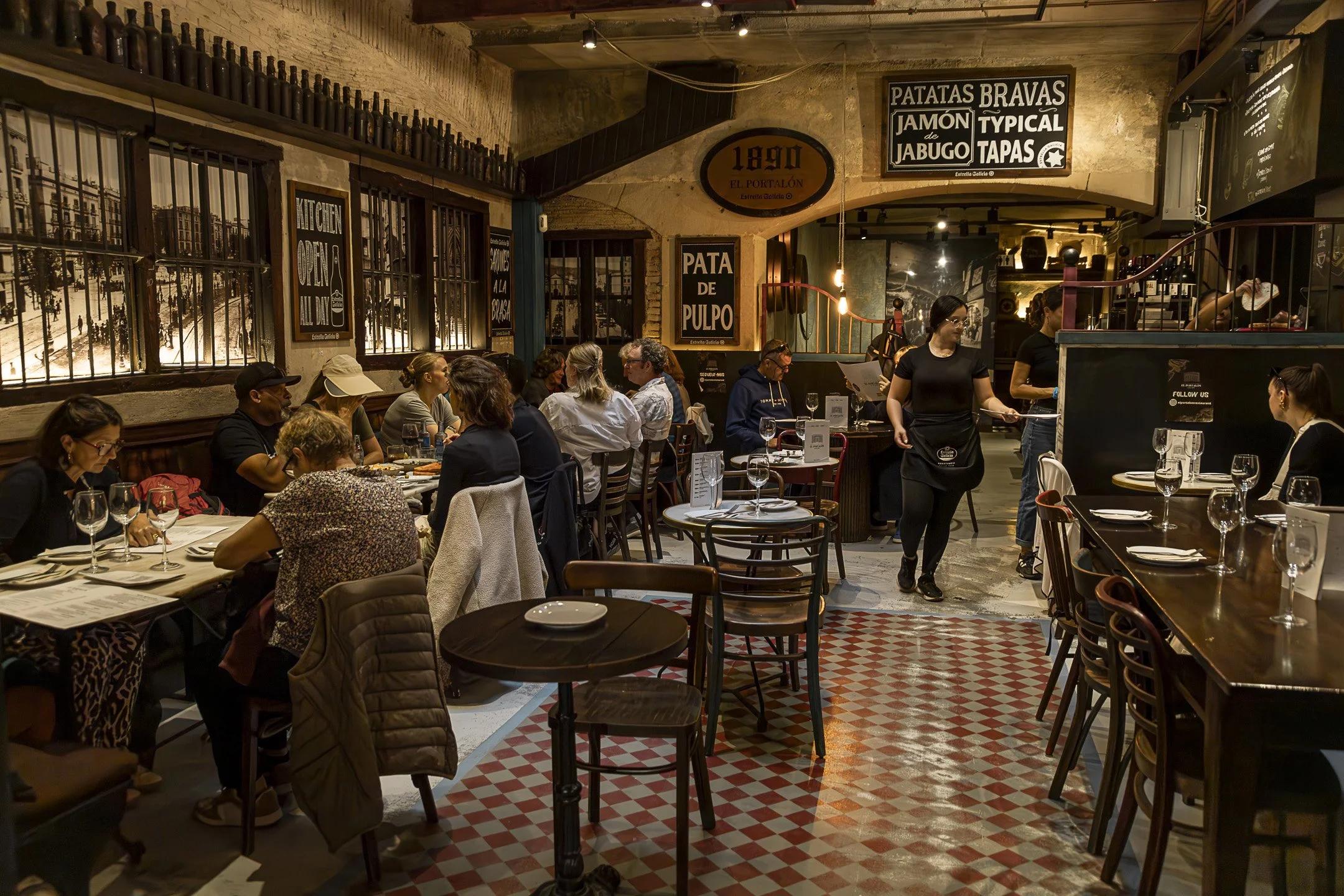
🇪🇸 5. Spain: Food, Conversation & Flexible Schedules


Spain is a great reminder that travel sometimes means adjusting your schedule, not expecting everyone else to adjust theirs.
🍽️ Expect Later Meals
Meal times can be considerably later than what visitors from some countries are accustomed to.
Spain's official tourism site notes that lunch commonly occurs around 1 p.m. to 4 p.m., while dinner can run from approximately 8 p.m. to 11 p.m. (Spain.info)
So don't panic if you're walking around at 9 p.m. and realize that locals are just getting started with dinner.
🍷 Enjoy the Social Side of Dining
Tapas are about more than food—they're often a social experience involving conversation, drinks, and moving between establishments.
💶 Understand Tipping
Tipping isn't obligatory in Spain, although leaving a tip is common in restaurants, bars, hotels and taxis. Spain's tourism authority says tips commonly range around 5–10%, depending on circumstances and the customer's choice. (Spain.info)
💡 VibesTraveling Tip
Don't rush your meals.
In Spain, eating can be part of the social experience rather than simply something you squeeze between sightseeing stops.
🇮🇹 6. Italy: Respect Historic & Religious Spaces


Italy has enormous regional diversity, from northern cities and Alpine communities to Rome, Tuscany, Naples, Sicily and Sardinia.
⛪ Dress Carefully at Religious Sites
Churches and religious sites may have their own dress expectations. When visiting them, modest clothing is a sensible choice.
🏛️ Treat Historic Places With Care
Italy's cities contain some of the world's most important cultural and archaeological sites.
Don't climb on monuments, touch protected artifacts, or ignore barriers simply to get a photograph.
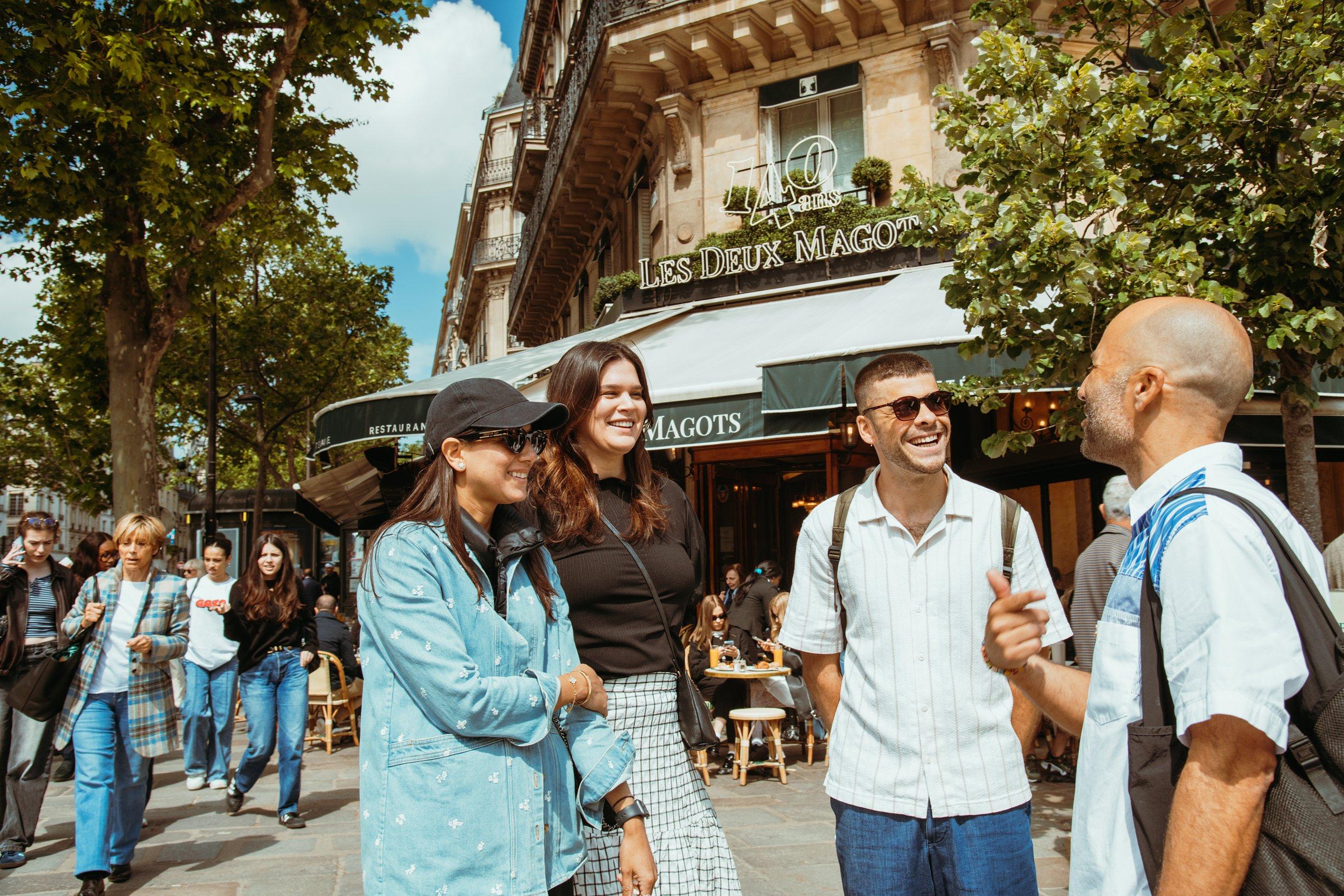
☕ Adapt to Local Café Culture
Italian coffee culture can be different from the experience of sitting in a café for hours with a laptop.
Observe how locals order and consume their coffee, and don't assume every café works exactly like the ones you're familiar with.
💡 VibesTraveling Tip
Slow down.
Italy isn't just about getting from the Colosseum to the Trevi Fountain to the next attraction. Give yourself time to enjoy neighborhoods, food, cafés and local streets.
🇬🇷 7. Greece: Respect Ancient Sites & Local Traditions


Greece combines ancient archaeological heritage with modern Mediterranean life.
🏛️ Treat Archaeological Sites With Respect
Historic sites are not simply photo backdrops. Follow signs, barriers, staff instructions and site-specific rules.
👕 Dress Appropriately for Religious Locations
Greece has many churches and monasteries. Clothing expectations can vary, so visitors should pay attention to posted guidance.
📱 Download Useful Travel Information
The official Visit Greece website recommends its travel app for information about itineraries, museums, beaches, accommodation and other travel resources. (Visit Greece)
💡 VibesTraveling Tip
Don't make your entire Greek vacation about the most photographed island.
Explore local food, villages, museums, archaeological sites and smaller communities where appropriate.
🌍 Europe Isn't One Culture


One of the biggest mistakes travelers can make is treating Europe as if it has one universal culture.
France isn't Spain.
Spain isn't Germany.
Italy isn't Sweden.
Greece isn't the Netherlands.
Even neighboring countries can have completely different social expectations.
🚆 Public Transportation
Many European cities have extensive train, metro, tram and bus networks.
Learn the local ticketing system before boarding, and remember that some transportation systems use inspections rather than traditional ticket gates.
🚲 Watch for Bicycle Traffic
In cities such as Amsterdam and Copenhagen, bicycles are an important part of everyday transportation.
Don't casually step into a marked cycle lane while looking at your phone.
That could turn your peaceful European vacation into a very memorable afternoon. 😅
🥐 Don't Assume Every Country Eats on Your Schedule
Meal times, café customs and restaurant hours differ throughout Europe.
Spain, for example, commonly serves dinner considerably later than many northern European countries. (Spain.info)
💶 Understand Tipping Country by Country
Tipping customs vary.
For example, Spain's tourism authority says tipping isn't mandatory but is common in restaurants, hotels, bars and taxis. (Spain.info)
That doesn't mean you should automatically apply Spanish tipping customs in Germany, France, Italy or another European country.
Check the local practice before you travel.
🌏 The Universal Travel Etiquette Checklist
No matter where you're going, these habits will serve you well.
✅ DO
-
Learn a few words in the local language.
-
Research cultural customs before arriving.
-
Dress appropriately for religious and cultural sites.
-
Ask permission before photographing people.
-
Follow signs and local regulations.
-
Respect queues.
-
Keep your belongings secure.
-
Learn local transportation rules.
-
Try local food.
-
Support local businesses.
-
Be patient when something works differently from home.
-
Observe before assuming.
❌ DON'T
-
Assume your country's customs apply everywhere.
-
Make jokes about religious traditions.
-
Touch sacred objects without permission.
-
Photograph people without considering their privacy.
-
Assume every country has the same tipping culture.
-
Treat local neighborhoods like tourist attractions.
-
Ignore signs because you think a rule is inconvenient.
-
Expect everyone to speak your language.
-
Assume one city represents an entire country.
🧭 The Golden Rule of International Travel
Here's the simplest travel rule of all:
Be a guest, not a critic.
You don't have to adopt every custom of the country you're visiting.
You don't have to agree with every tradition.
You don't even have to understand everything immediately.
But you can observe, learn, ask questions, and show respect.
That's what makes cultural travel so rewarding.
Japan's quiet train etiquette, China's communal dining traditions, Indonesia's religious diversity, Jamaica's social warmth, Spain's late-night dining culture, Italy's historic neighborhoods and Greece's ancient heritage all offer travelers something different.
The goal isn't to become an expert before your airplane lands.
The goal is to arrive curious.
✈️ VibesTraveling's Cultural Travel Checklist
Before your next international trip, ask yourself:
☐ Do I know how locals generally greet one another?
☐ Do I understand the basic dress expectations?
☐ Do I know whether tipping is customary?
☐ Do I know whether shoes should be removed?
☐ Do I understand basic public transportation etiquette?
☐ Do I know what behavior is inappropriate at religious sites?
☐ Do I know a few local words or phrases?
☐ Have I checked current entry requirements?
☐ Do I know the local currency and common payment methods?
☐ Am I prepared to adapt when things work differently from home?
If you can answer those questions, you're already heading in the right direction.
🌍 Travel More. Understand More. Experience More.
At VibesTraveling, we believe a destination is more than a place you visit.
It's the people.
It's the food.
It's the language.
It's the traditions.
It's the sounds, smells, streets, trains, markets, festivals and everyday moments that make somewhere feel completely different from home.
More than a destination, it's the vibes.
So before your next adventure, don't just research where you're going.
Research how to be a respectful guest when you get there.
🔎 SEO FAQ
What is cultural etiquette in travel?
Cultural etiquette refers to the social customs and respectful behaviors travelers should understand when visiting another country. It can include greetings, clothing, dining, photography, religious customs, tipping and public behavior.
Why is cultural etiquette important when traveling?
Learning local etiquette can help travelers avoid misunderstandings, show respect for local communities and create more positive interactions with people.
What should I know about Japanese etiquette?
Visitors to Japan should generally keep public transportation quiet, queue appropriately, remove shoes where required, respect local cleanliness practices and understand that tipping is generally not customary. (Japan Travel)
Is tipping customary in China?
Tipping isn't generally expected in everyday situations in mainland China, although practices can vary depending on the type of service and setting. Travelers should check local expectations rather than automatically applying tipping customs from home. (China Voyage)
What should tourists wear in Indonesia?
Dress expectations vary by region and religious setting. More modest clothing is particularly appropriate when visiting temples, mosques and other religious locations. (HelloSIM)
Is tipping required in Spain?
No. Spain's official tourism information says tipping is not obligatory, although it is common in restaurants, bars, hotels and taxis. (Spain.info)
What's the most important travel etiquette rule?
Respect the local culture, pay attention to your surroundings, and be willing to adapt.
Advertisement