Japan is home to thousands of shrines and temples, many of which showcase stunning architecture, centuries-old traditions, and breathtaking natural surroundings. From golden pavilions reflected in peaceful ponds to sacred gates floating over the sea, these spiritual sites are among the most beautiful places in the country.
If you're planning a trip to Japan, these famous shrines and temples deserve a place on your itinerary.

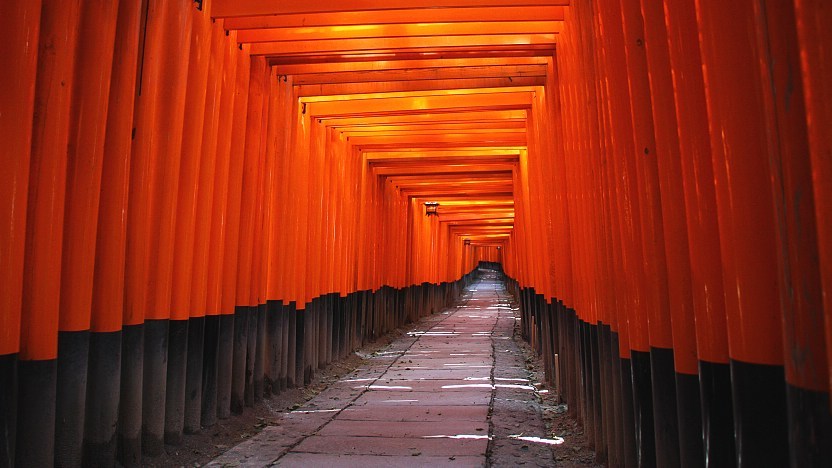


One of Japan’s most iconic spiritual sites, Fushimi Inari Taisha is famous for its seemingly endless pathway of vibrant vermilion torii gates. These gates wind through the forested slopes of Mount Inari, creating one of the most photogenic shrine walks in Japan.
Dedicated to the Shinto god of rice and prosperity, the shrine dates back to the 8th century and remains a major place of worship for local businesses.
Why visit:
Walk through thousands of bright red torii gates
Scenic mountain hiking trails behind the shrine
Unique fox statues representing Inari’s messengers
Travel Tip: Visit early morning or evening to avoid large crowds.

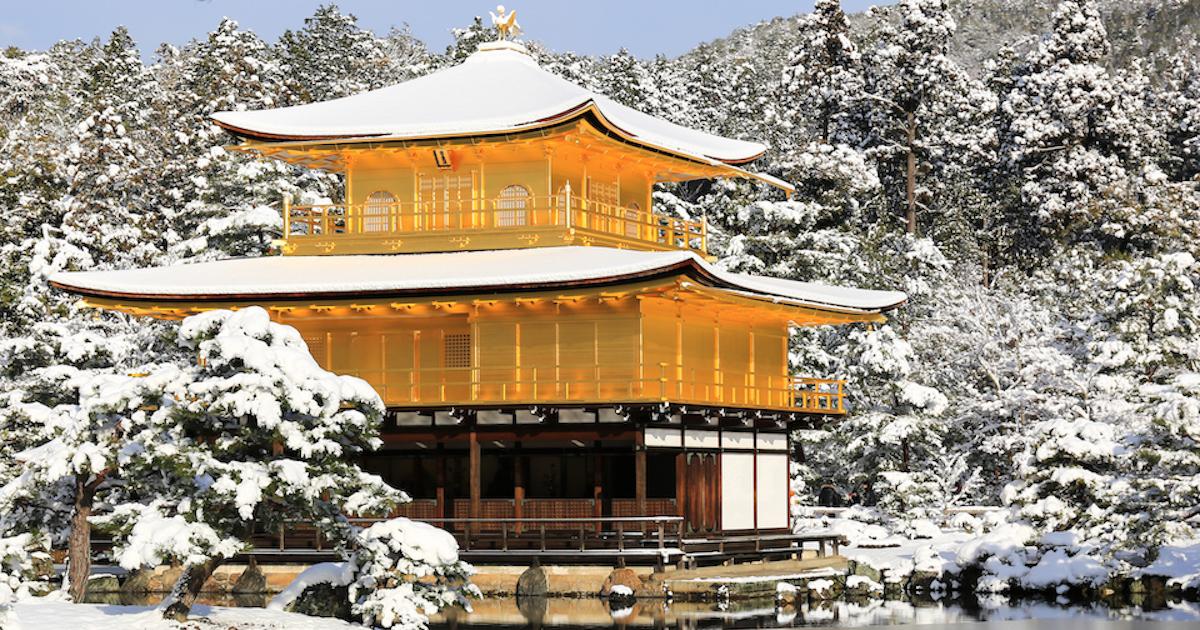


Known as the Golden Pavilion, Kinkaku-ji is one of the most breathtaking temples in Japan. Its upper floors are completely covered in gold leaf, shimmering brilliantly over the surrounding mirror-like pond.
Originally built in 1397 as a shogun’s retirement villa, the structure later became a Zen Buddhist temple.
Highlights:
Gold-covered temple reflecting over Kyoko-chi Pond
Beautiful landscaped gardens
Stunning views during autumn foliage and winter snow
This temple is one of the most photographed landmarks in Kyoto.
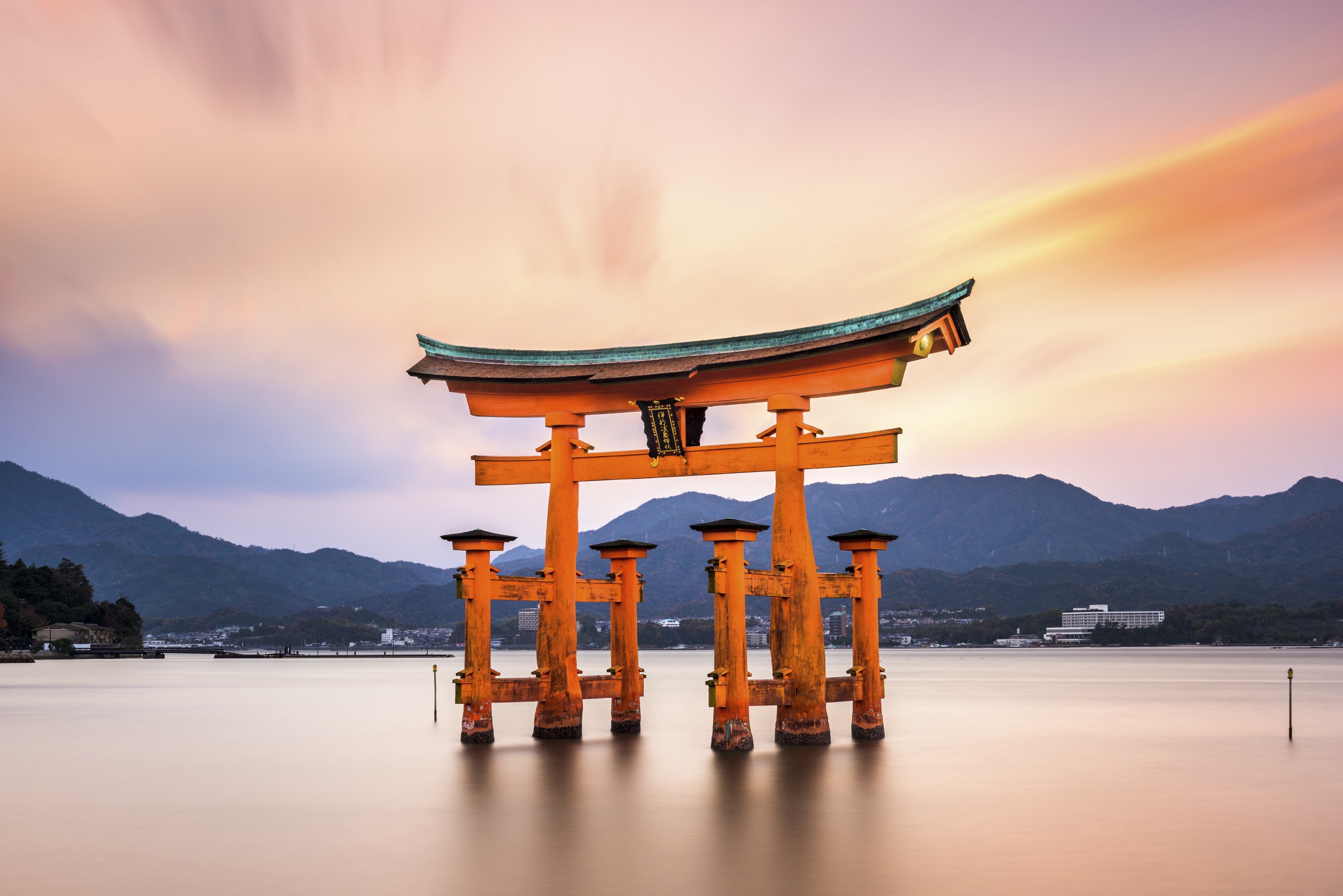
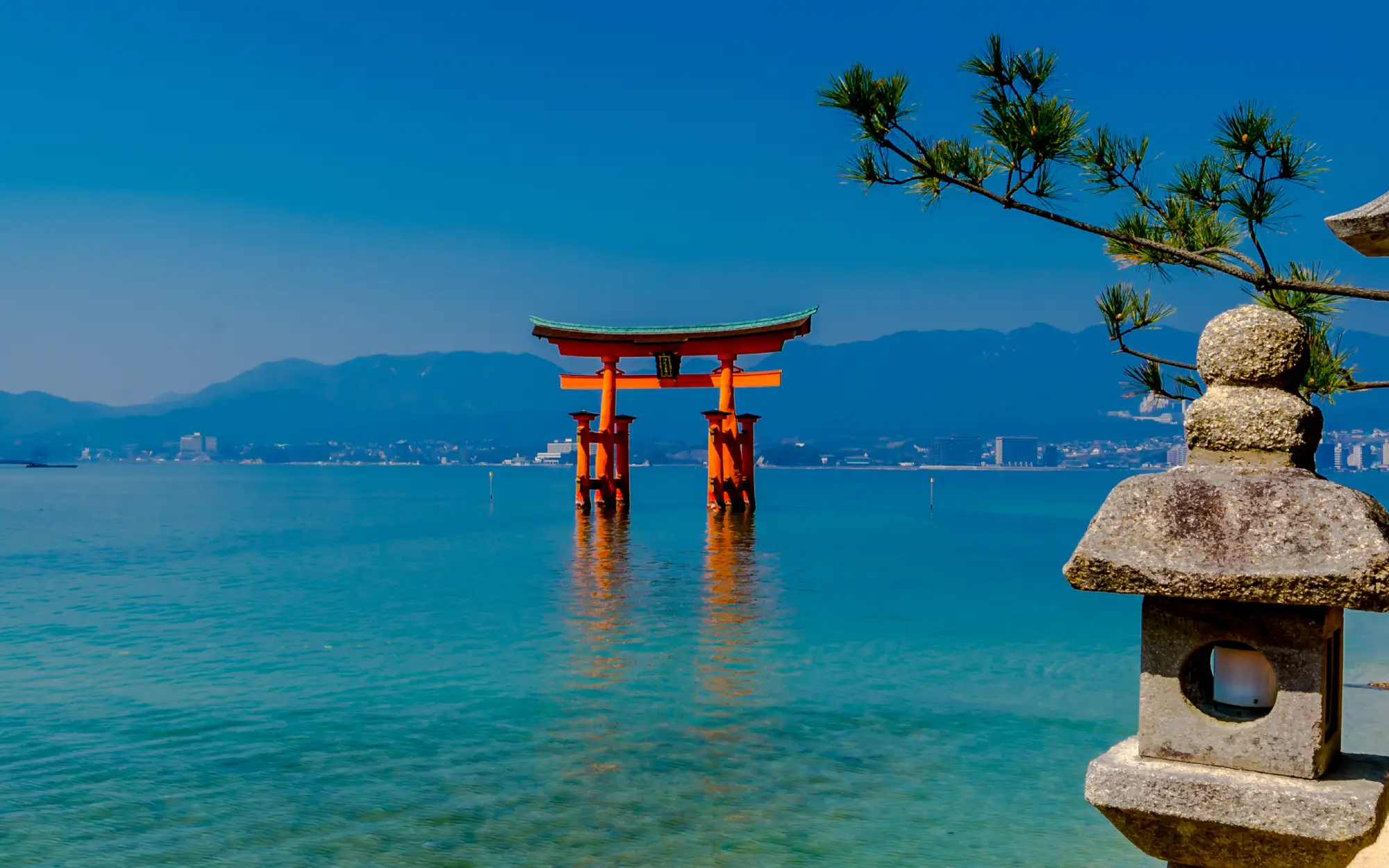

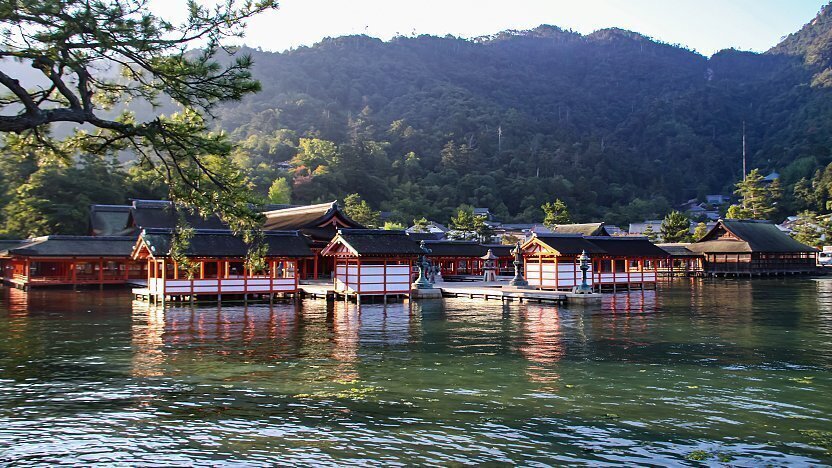
Located on the scenic island of Miyajima, Itsukushima Shrine is famous for its “floating” torii gate, which appears to hover above the sea during high tide.
The shrine complex is built on stilts over the water, creating an elegant harmony between architecture and nature.
Why travelers love it:
One of Japan’s most scenic torii gates
UNESCO World Heritage Site
Incredible sunset photography spot
At low tide, visitors can walk right up to the giant torii gate.
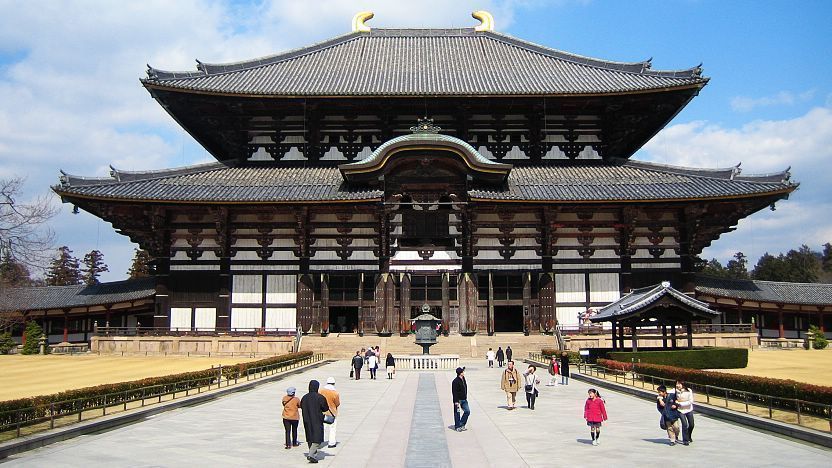
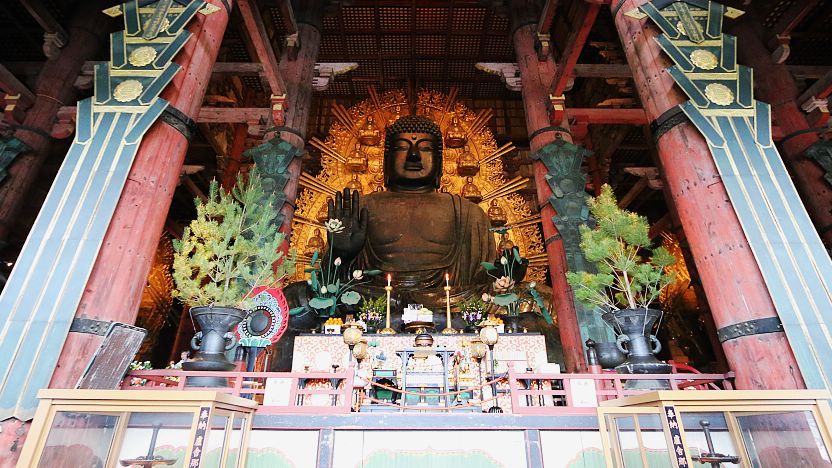
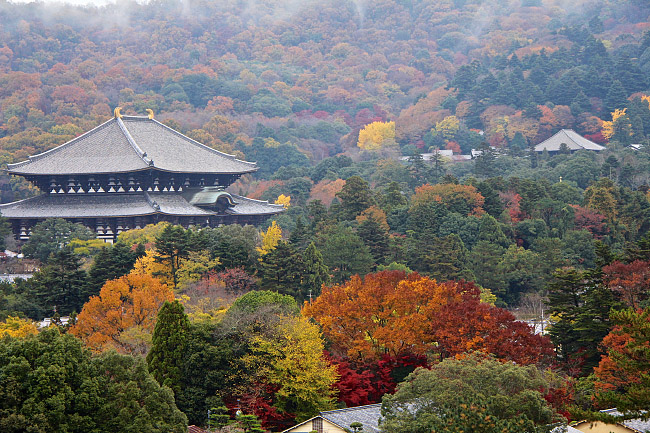
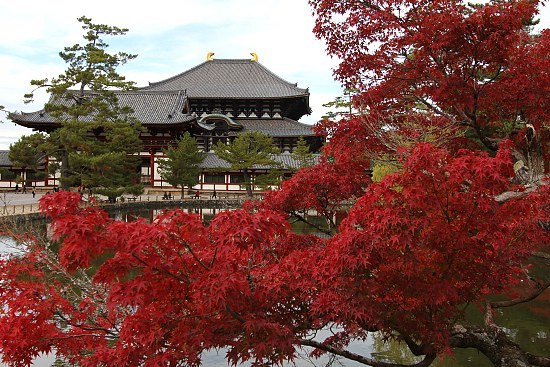
Home to one of the largest bronze Buddha statues in the world, Todai-ji is an awe-inspiring temple complex located in Nara Park.
The Great Buddha Hall (Daibutsuden) is one of the largest wooden buildings ever constructed.
Top experiences:
Seeing the massive Great Buddha statue
Feeding friendly deer in nearby Nara Park
Exploring historic temple gates and gardens
This temple perfectly captures the grandeur of ancient Japanese Buddhism.
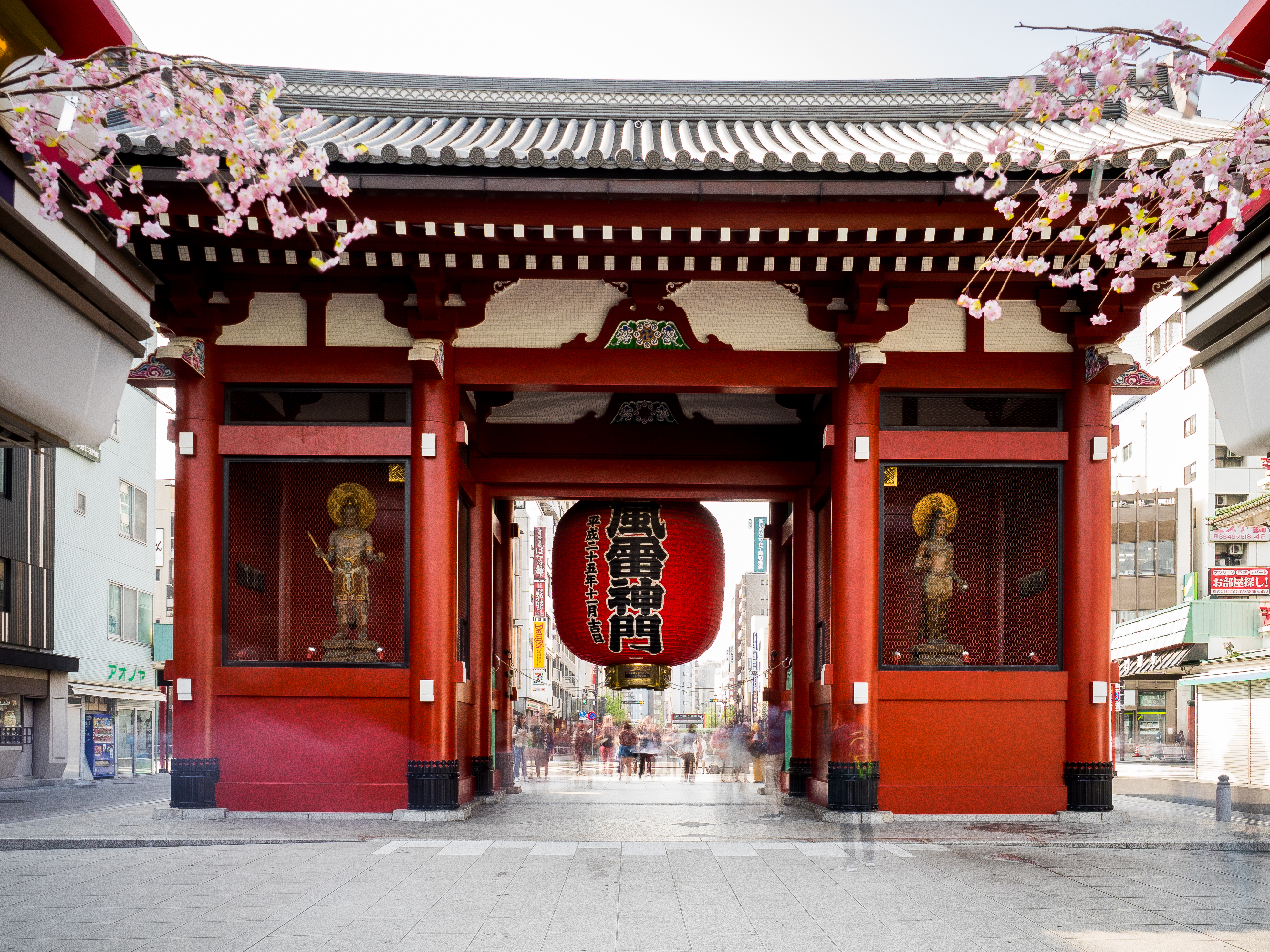
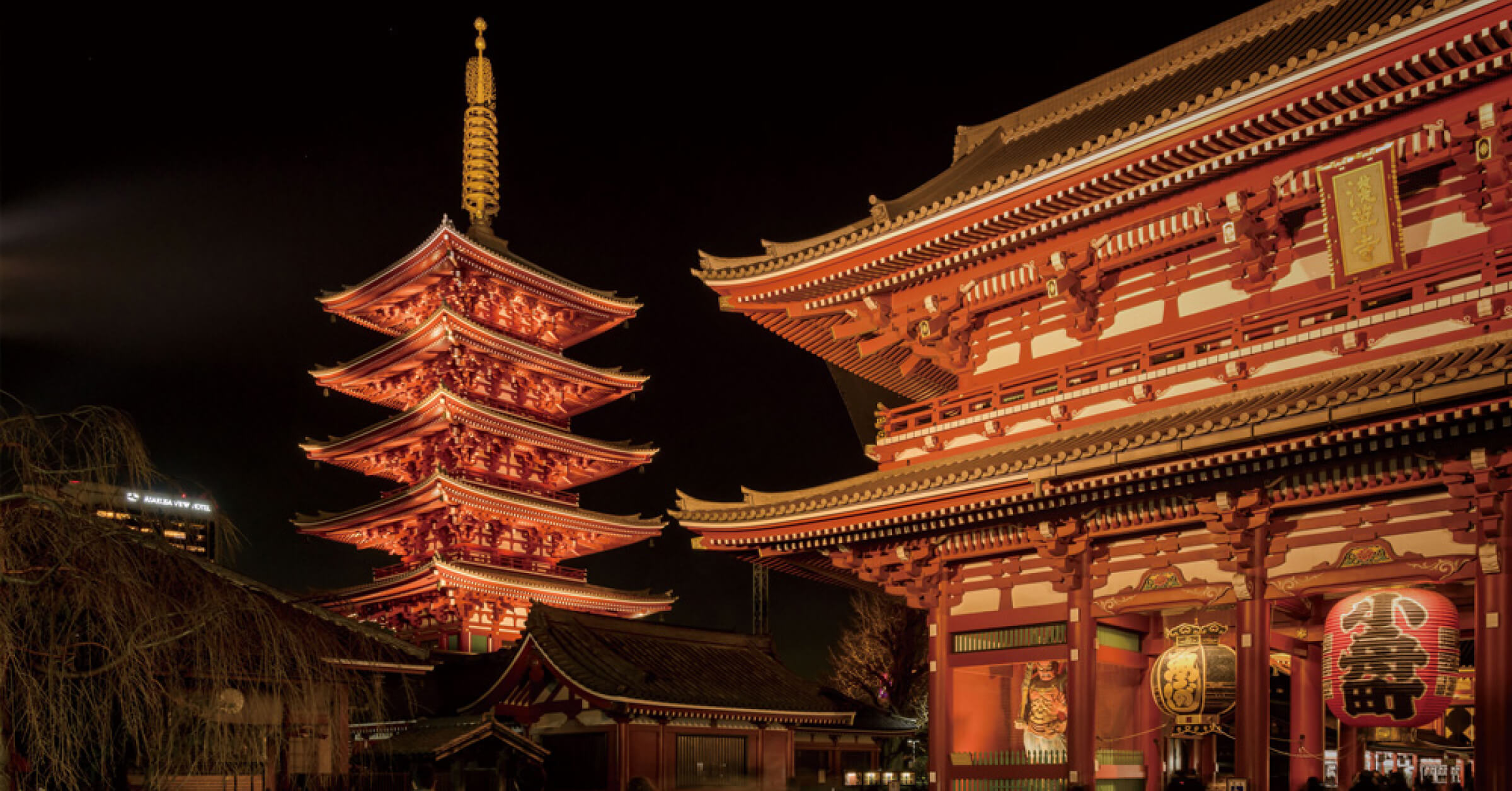
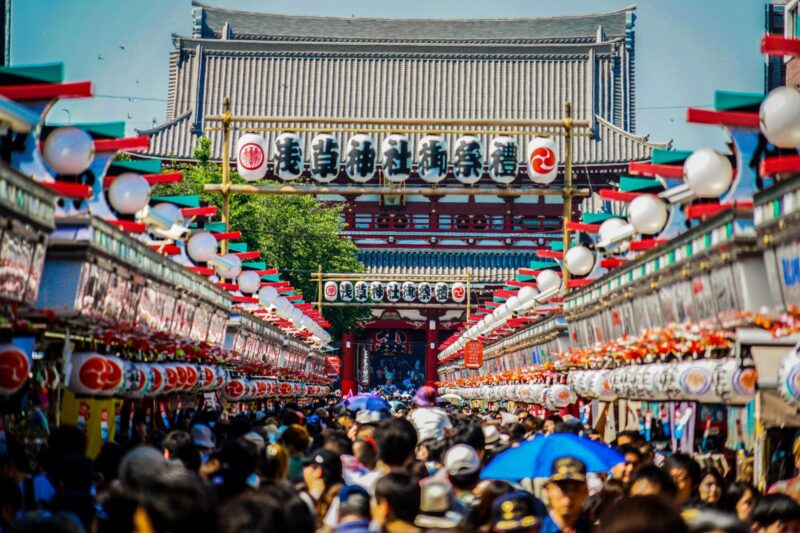
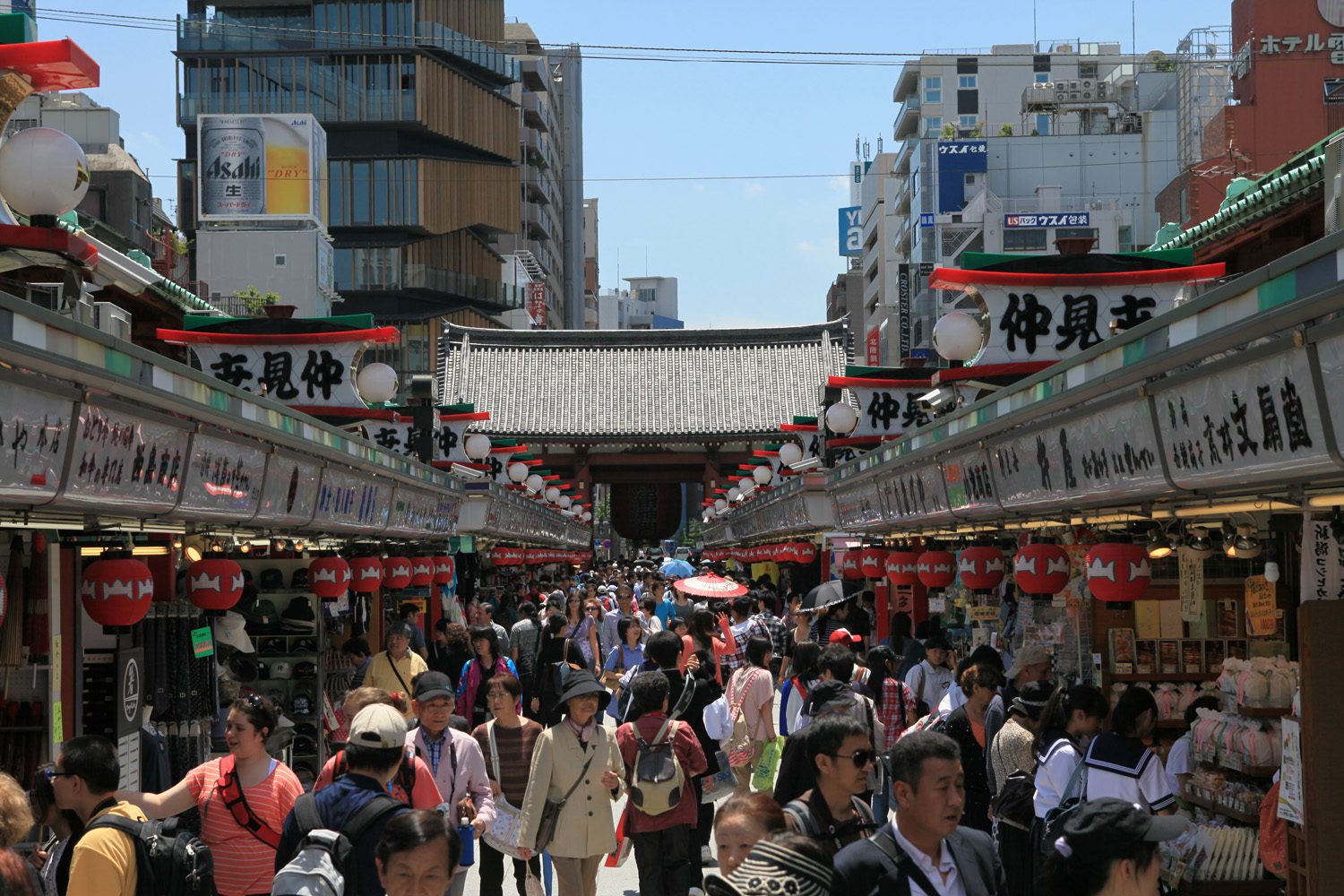
Tokyo’s oldest temple, Senso-ji is a vibrant cultural landmark located in the historic district of Asakusa.
Visitors enter through the famous Kaminarimon Gate, marked by a giant red lantern, before walking down Nakamise Street toward the main temple hall.
Why it's special:
Lively traditional shopping street
Beautiful five-story pagoda
Illuminated temple grounds at night
It’s one of the best places in Tokyo to experience traditional Japanese culture.


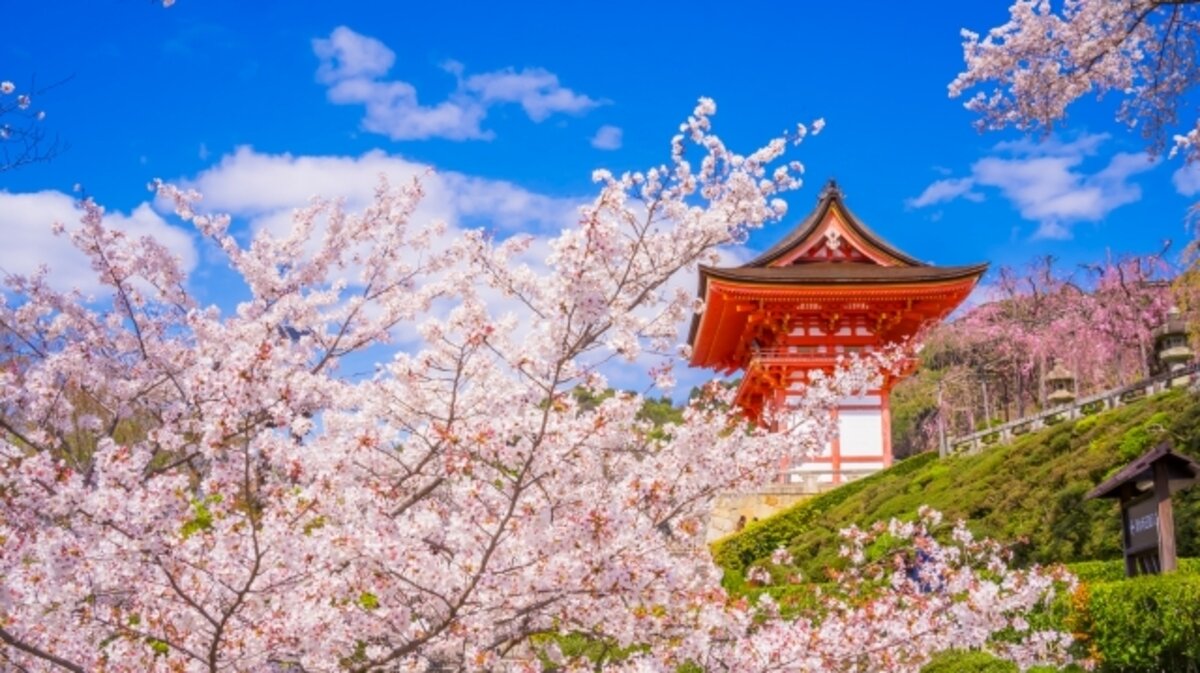

Perched on a hillside overlooking Kyoto, Kiyomizu-dera is famous for its massive wooden terrace that extends out from the temple’s main hall.
The structure was built entirely without nails and offers sweeping views of Kyoto.
Best reasons to visit:
Incredible panoramic city views
Stunning cherry blossoms in spring
Brilliant autumn foliage
Nighttime illumination events during spring and fall make this temple especially magical.
Japan’s shrines and temples are more than historic landmarks—they are living spiritual spaces that reveal the country’s deep cultural traditions and natural beauty.
Whether you’re wandering through thousands of torii gates in Kyoto, admiring a golden pavilion reflected in water, or watching the tide rise around a floating shrine, each site offers a unique glimpse into Japan’s timeless heritage.
Quick Travel Tip:
The best seasons to visit these temples are spring (cherry blossom season) and autumn (fall foliage) when the scenery becomes even more spectacular.