Japan’s train system is famous worldwide for its speed, efficiency, and convenience. Whether you're visiting vibrant cities or quiet countryside villages, trains are often the fastest and easiest way to travel across Japan. From ultra-fast bullet trains to charming local railways, understanding how the system works can make your trip smoother and more enjoyable.
This Ultimate Guide to Japanese Train Travel covers everything from ticket types and rail passes to helpful etiquette and travel tips.

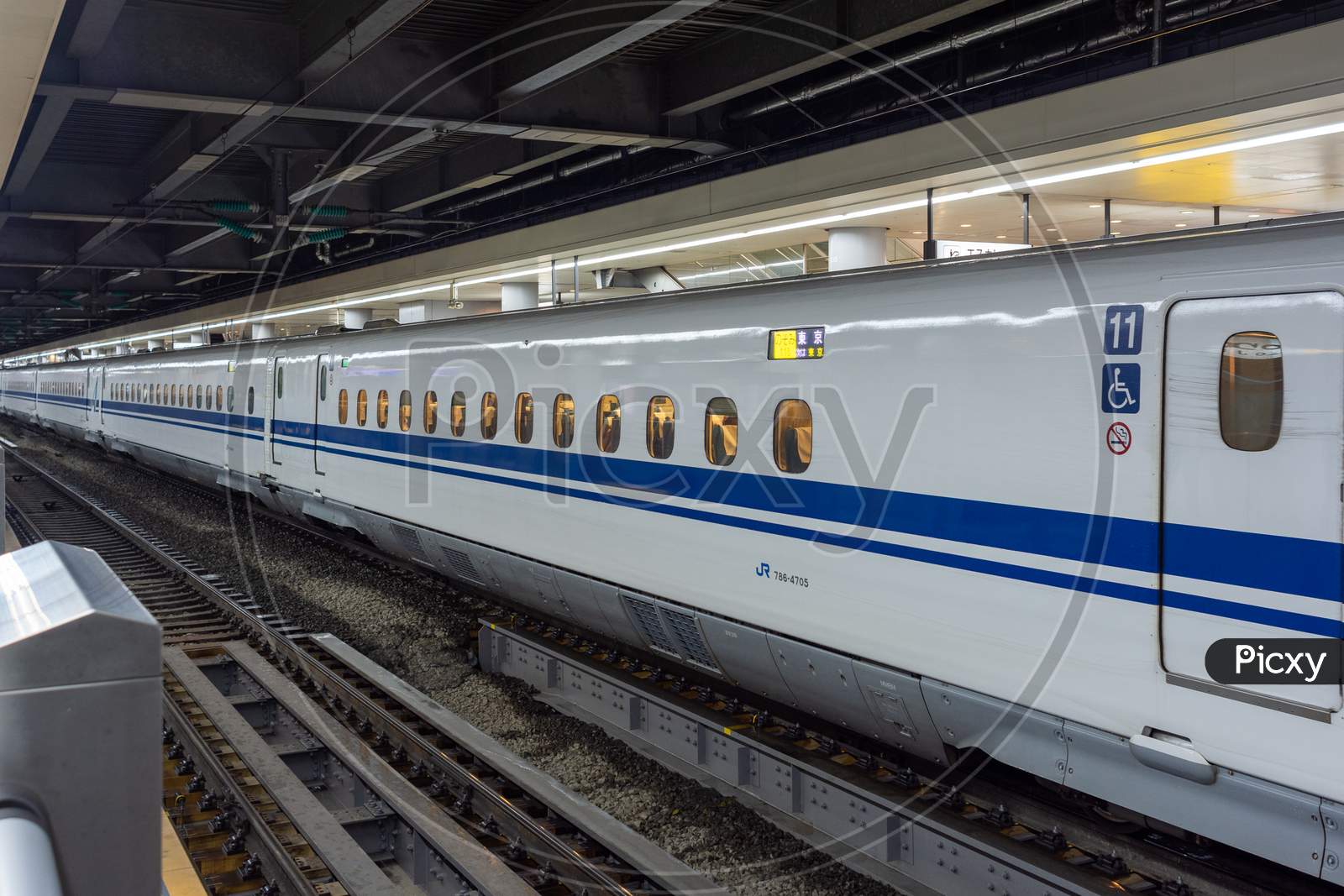
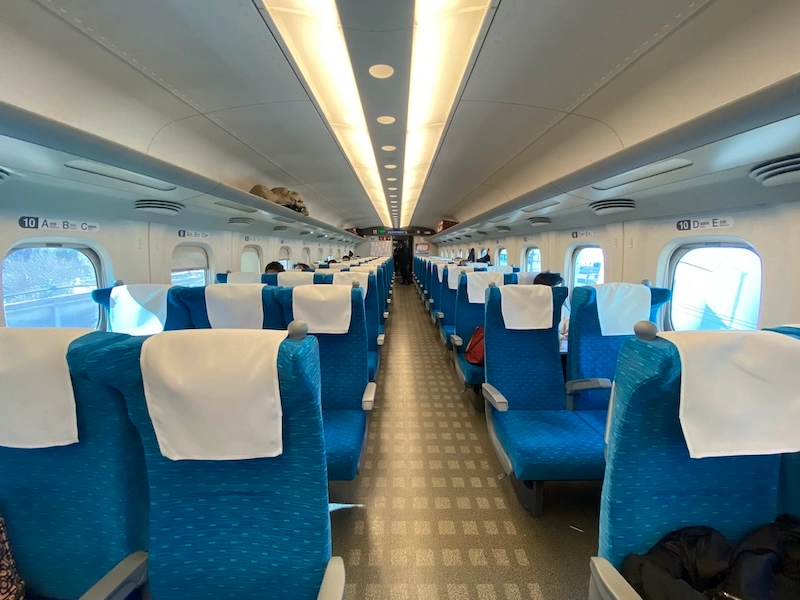
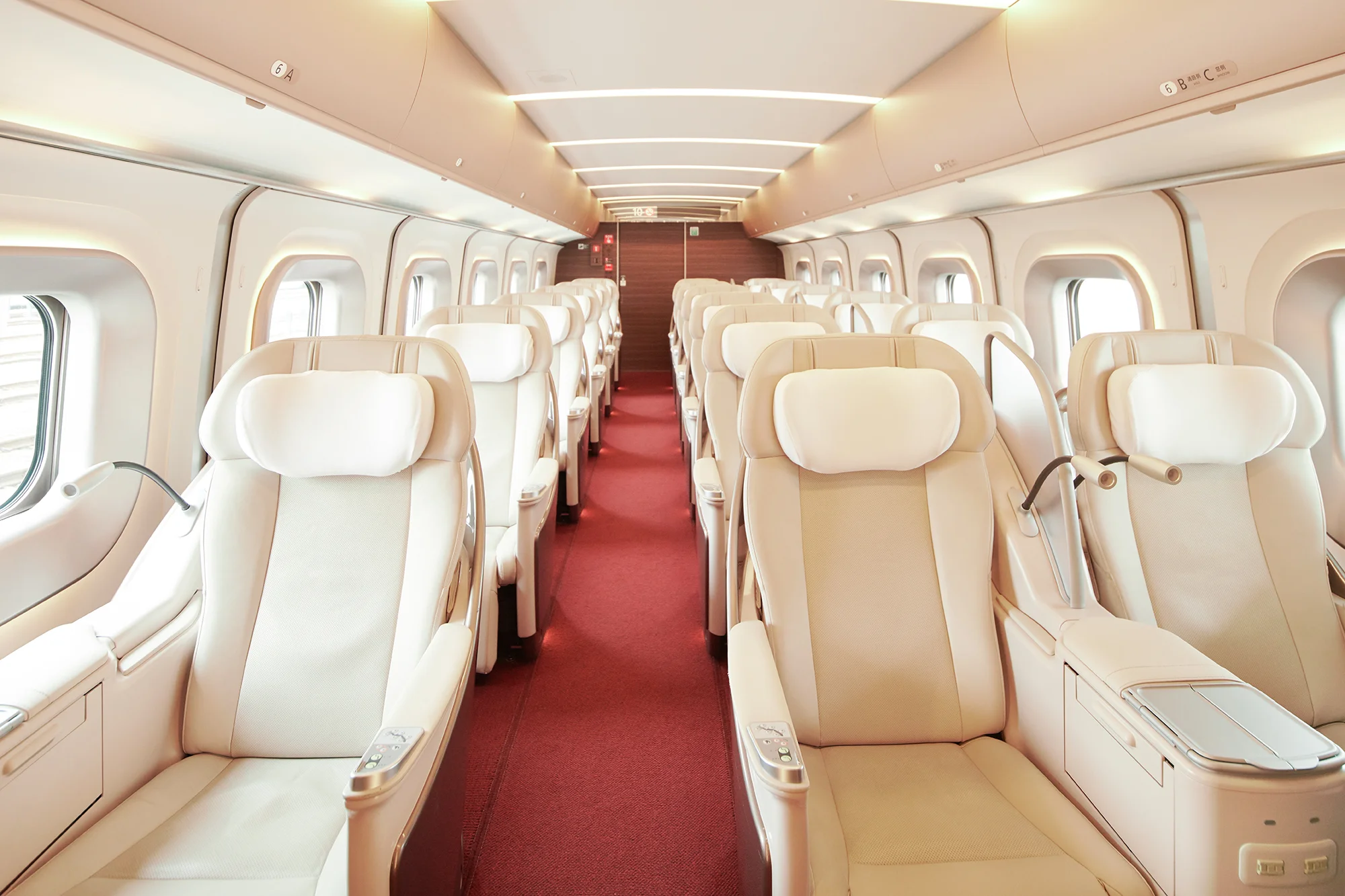
The Shinkansen, also known as the bullet train, is the fastest and most iconic way to travel long distances in Japan. With speeds reaching up to 320 km/h (200 mph), these trains connect major cities like Tokyo, Osaka, Kyoto, and Hiroshima.
Extremely punctual, often accurate to the minute
Spacious and comfortable seating
Clean restrooms and onboard amenities
Food carts or bento options on many routes
Popular lines include the Tokaido Shinkansen, Sanyo Shinkansen, and Tohoku Shinkansen.
💡 Travel Tip: Reserve seats during busy travel seasons such as Golden Week and Obon.
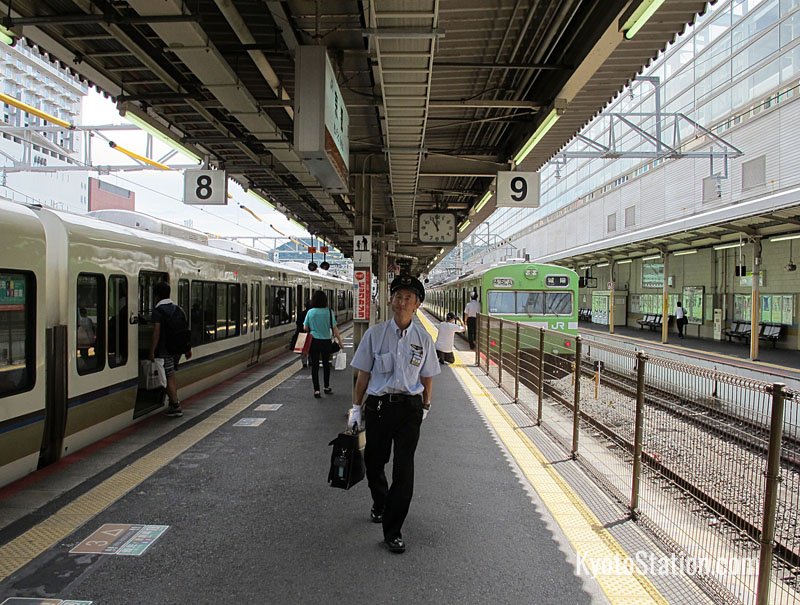

The Japan Railways Group, commonly called JR, operates most of Japan’s national railway lines.
One of the most famous routes is the Yamanote Line, which circles central Tokyo and connects major districts such as Shinjuku, Shibuya, and Tokyo Station.
Local (普通) – Stops at every station
Rapid (快速) – Skips smaller stops
Limited Express (特急) – Faster with fewer stops
Express (急行) – Mid-range service
JR trains reach nearly every corner of the country, making them ideal for exploring beyond major cities.

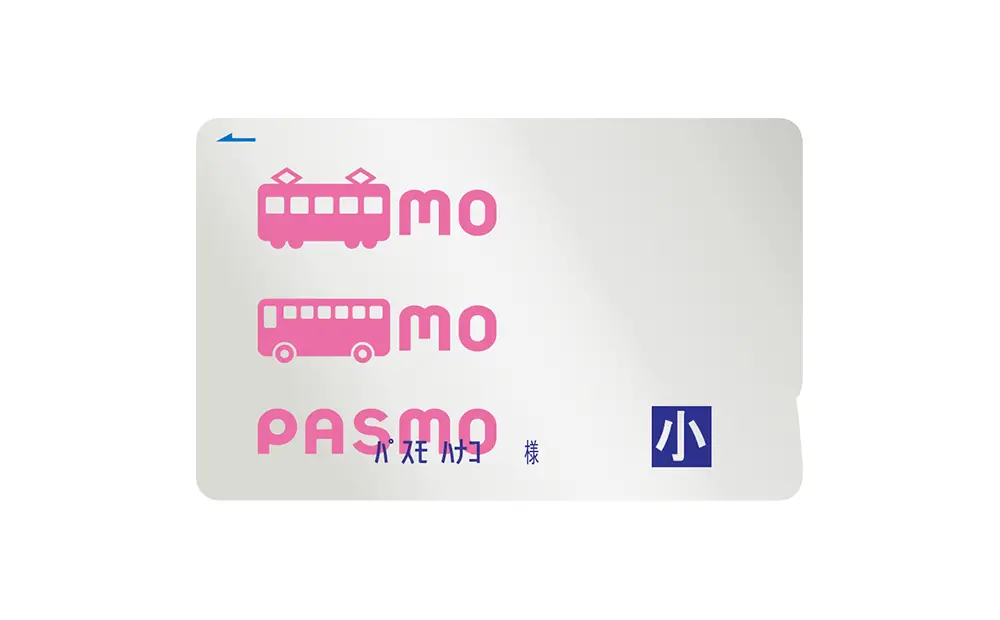

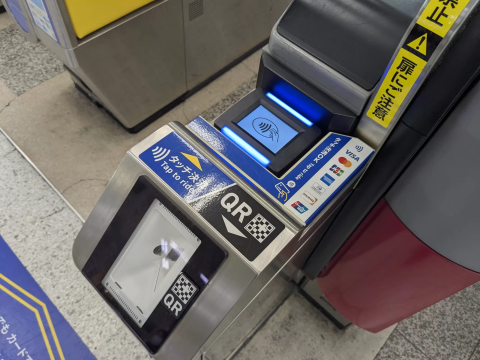
IC cards are rechargeable smart cards that make train travel incredibly convenient.
The two most popular cards are Suica and Pasmo.
Tap through ticket gates quickly
No need to buy individual tickets
Works on trains, buses, and many stores
Accepted in most major cities across Japan
You can even use them at vending machines, convenience stores, and restaurants.
💡 Visitors arriving in Tokyo often purchase them at Narita International Airport or Haneda Airport.
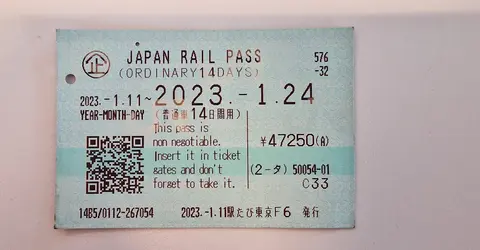
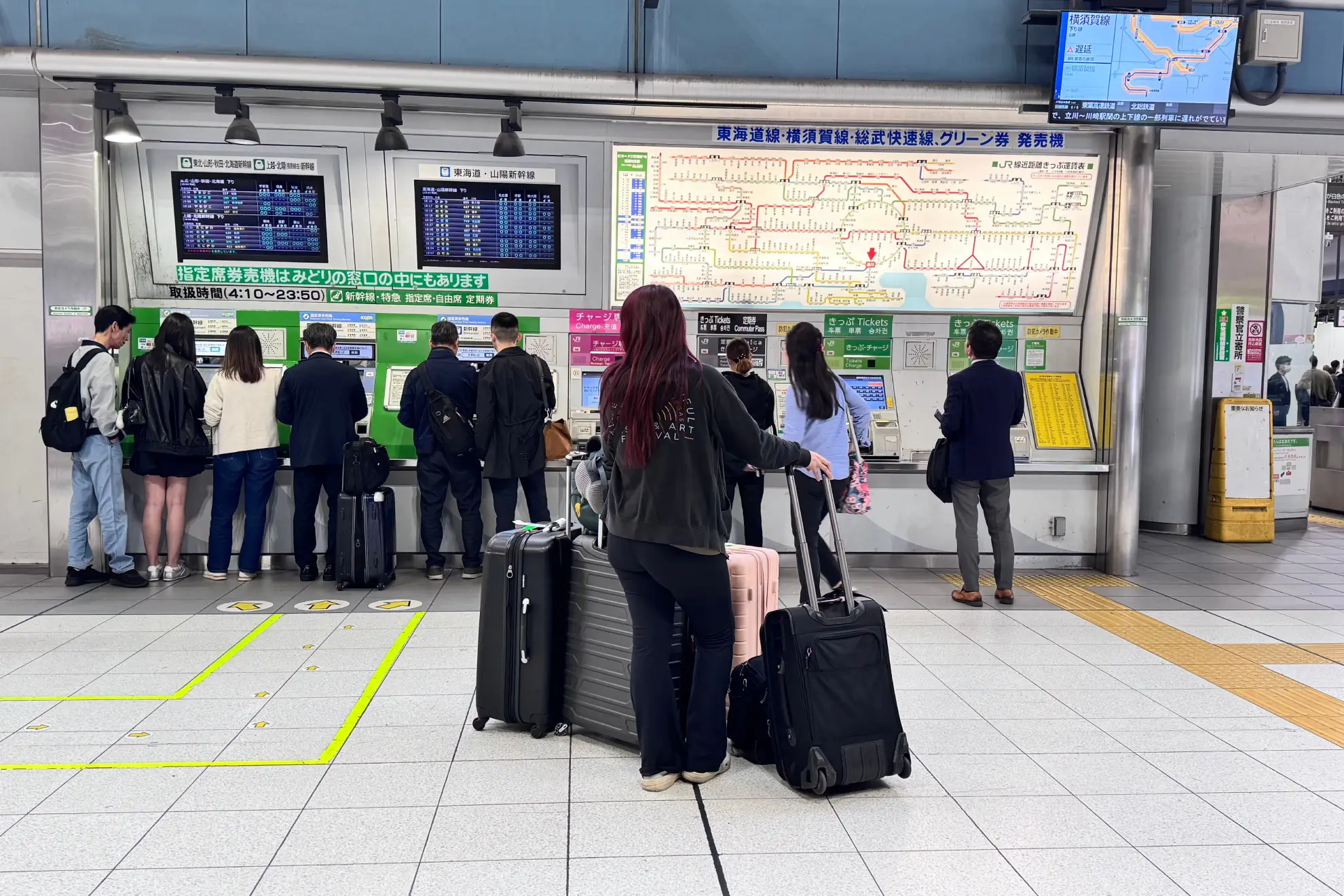
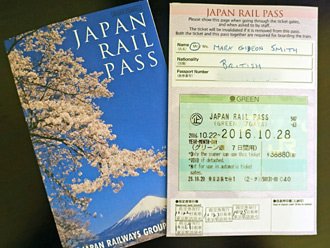
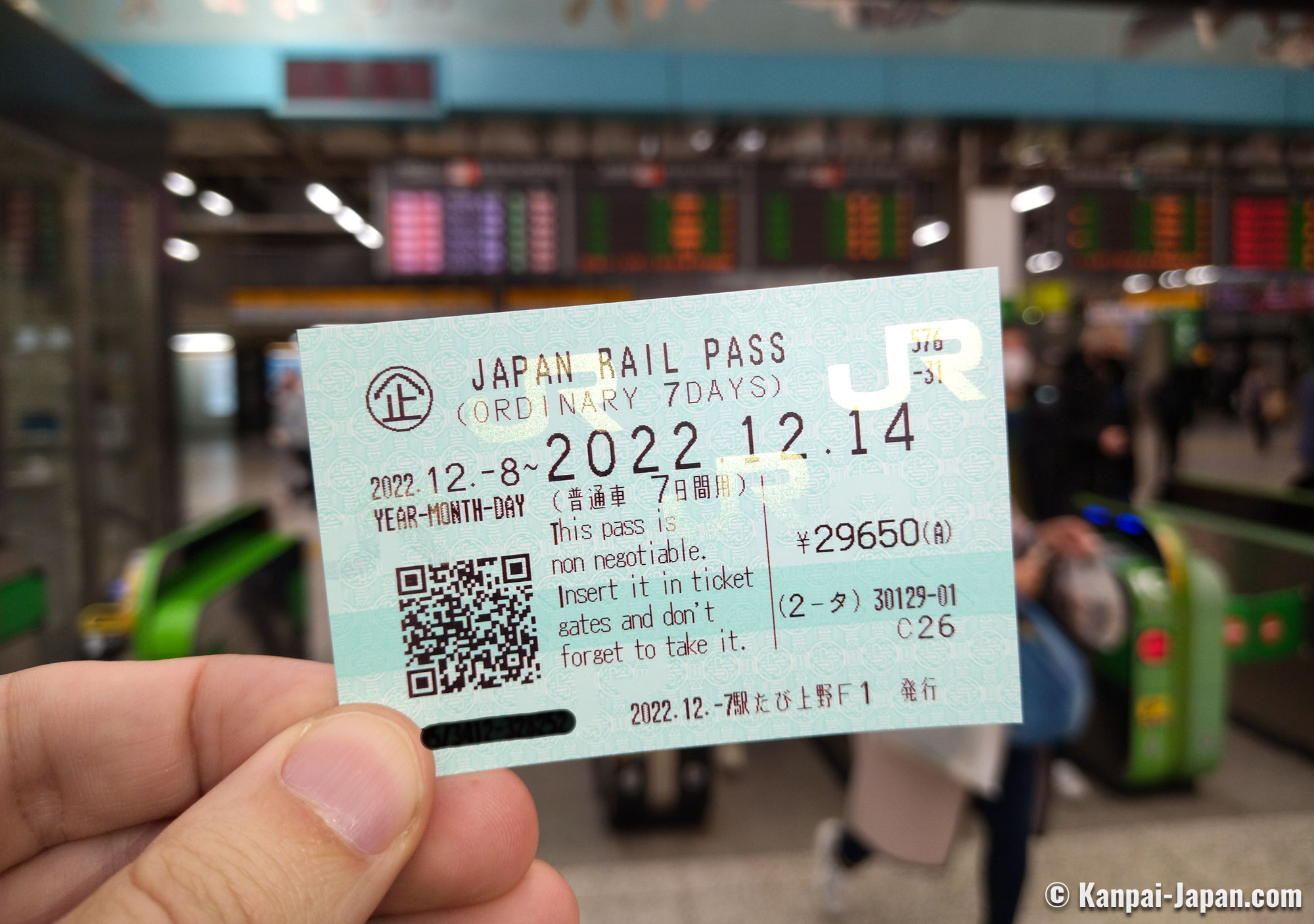
The Japan Rail Pass allows unlimited travel on most JR trains, including many Shinkansen routes.
7-day pass
14-day pass
21-day pass
This pass is especially valuable if you're traveling between multiple cities such as Tokyo, Kyoto, and Osaka.
💡 Note: The pass must be purchased before arriving in Japan or through approved travel partners.
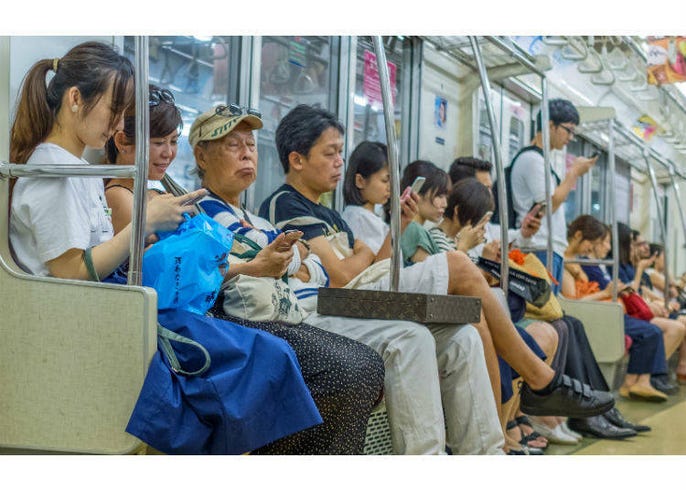
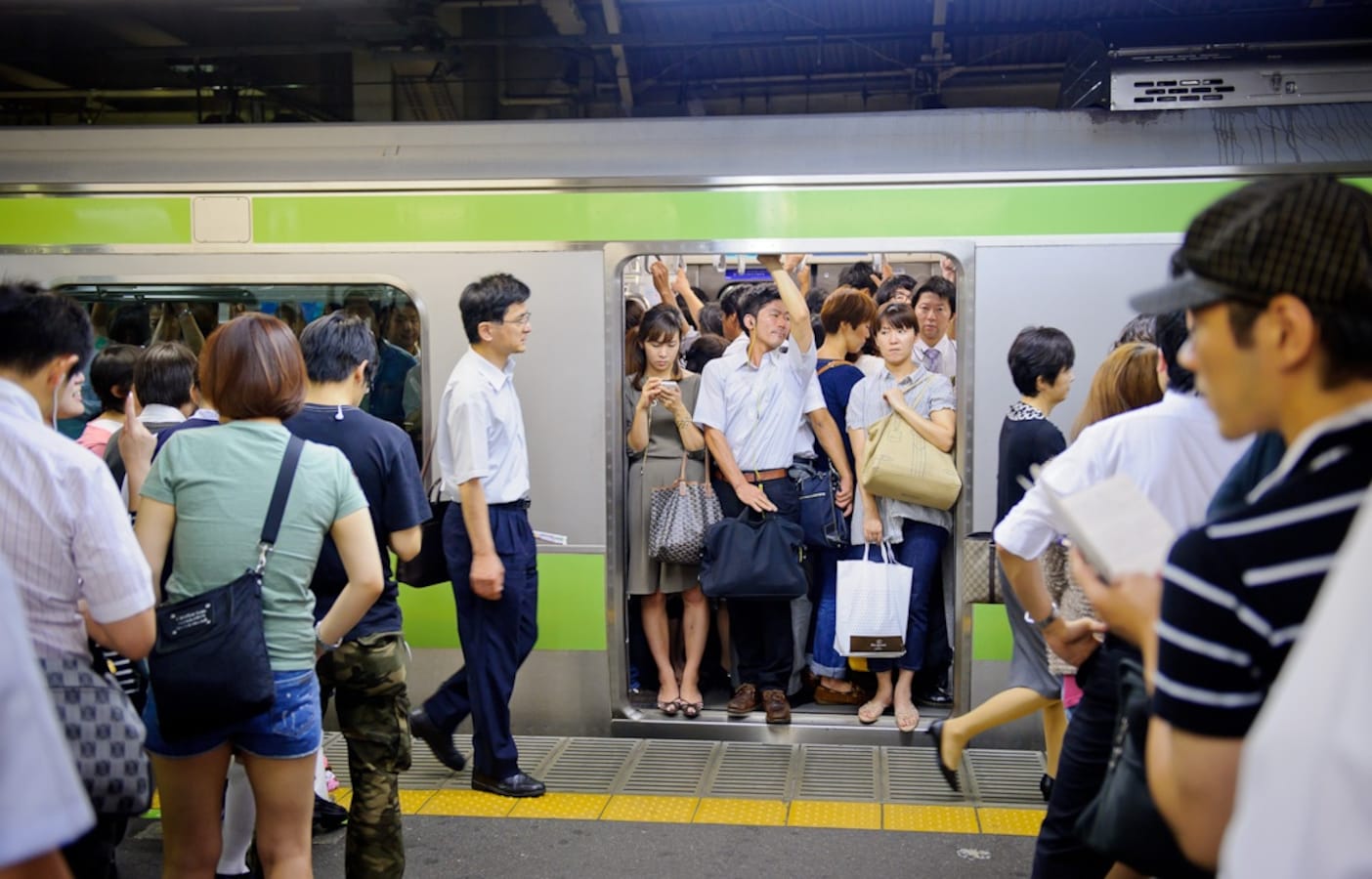

Japan’s train system runs smoothly partly because passengers follow clear etiquette rules.
Keep conversations quiet
Set phones to silent mode
Avoid eating on local commuter trains
Line up in designated platform areas
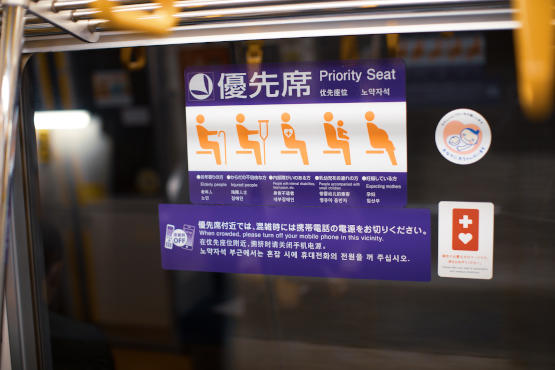
Give seats to elderly or pregnant passengers
Priority seating areas are common on many trains.
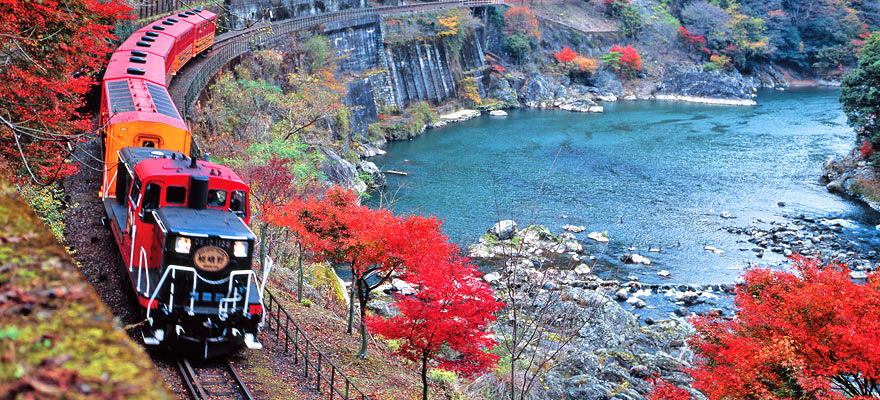
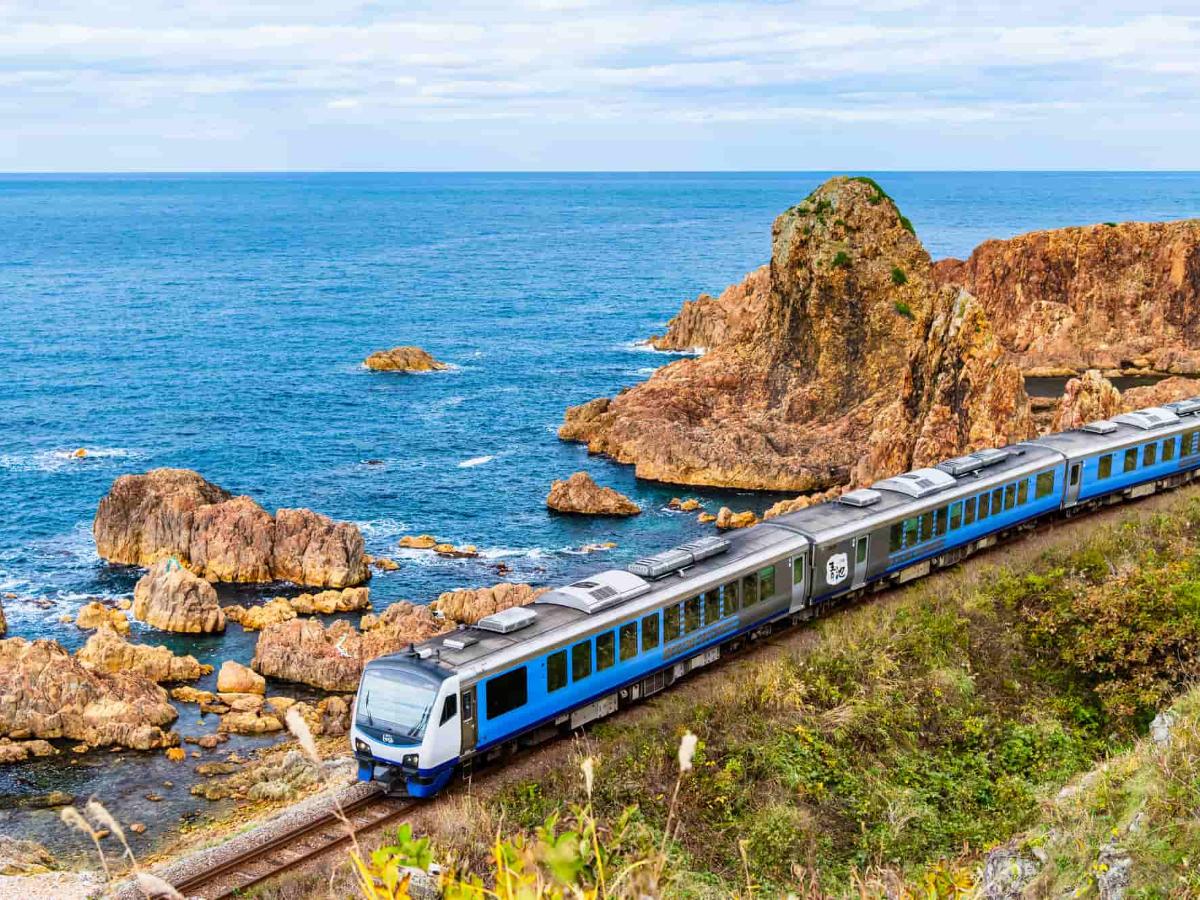
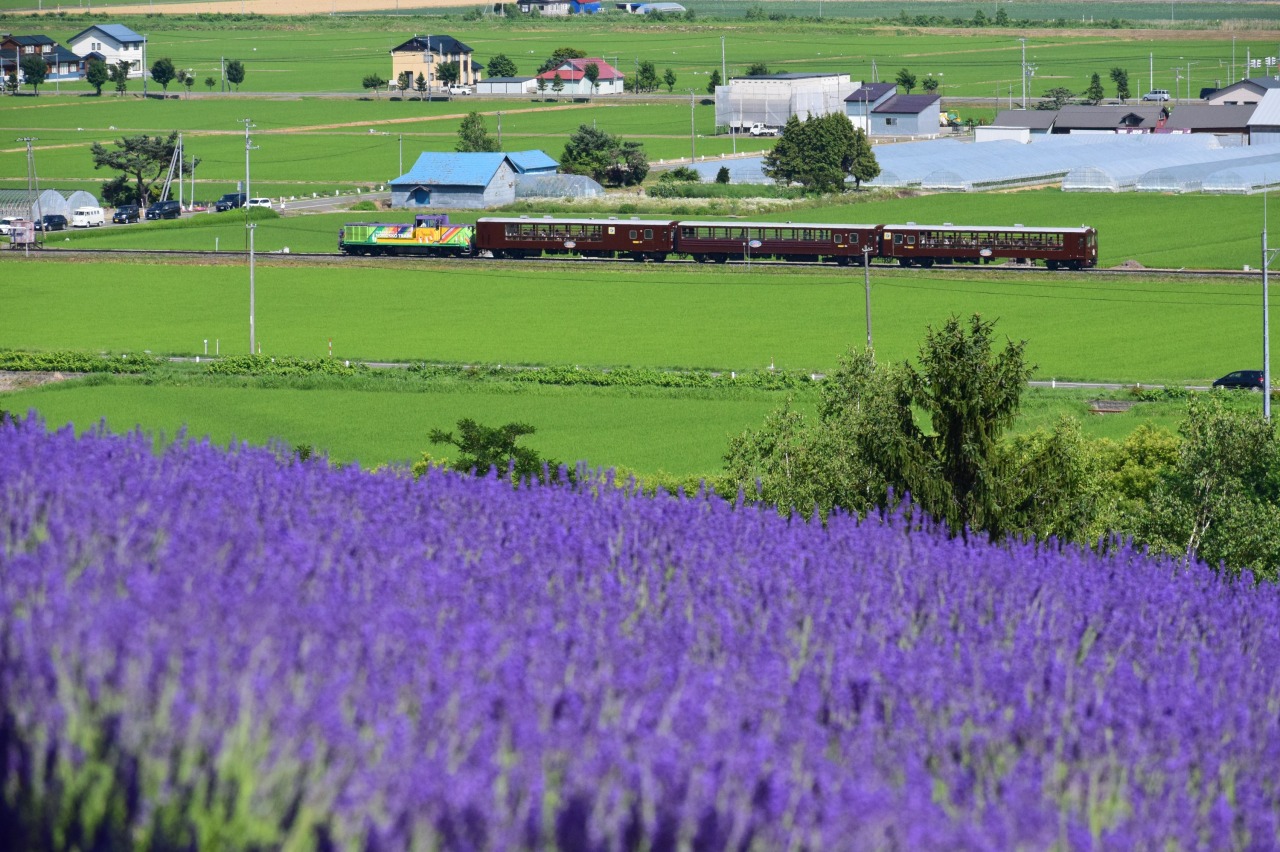
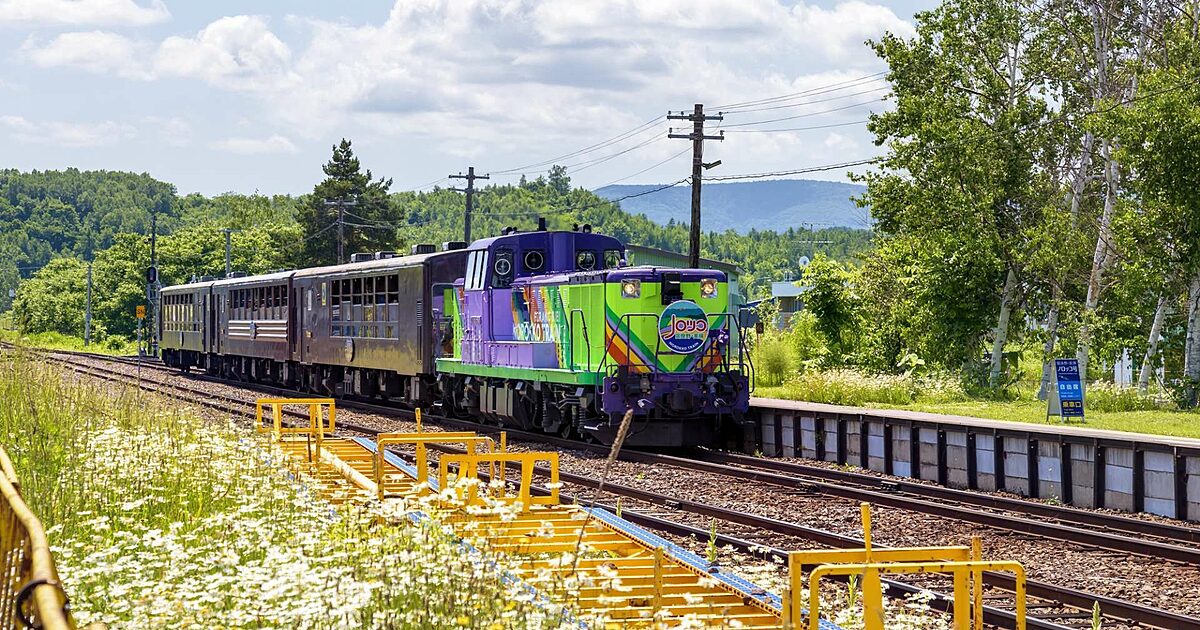
Japan also offers spectacular sightseeing trains that turn transportation into a memorable travel experience.
Some beautiful routes include:
Sagano Scenic Railway – runs along the Hozugawa River
Resort Shirakami – famous for ocean views
Furano Biei Norokko Train – passes flower fields in summer
These trains are perfect for travelers who want to enjoy Japan’s natural landscapes from the rails.
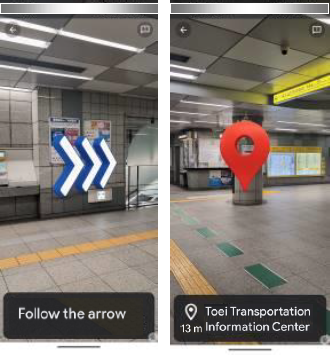
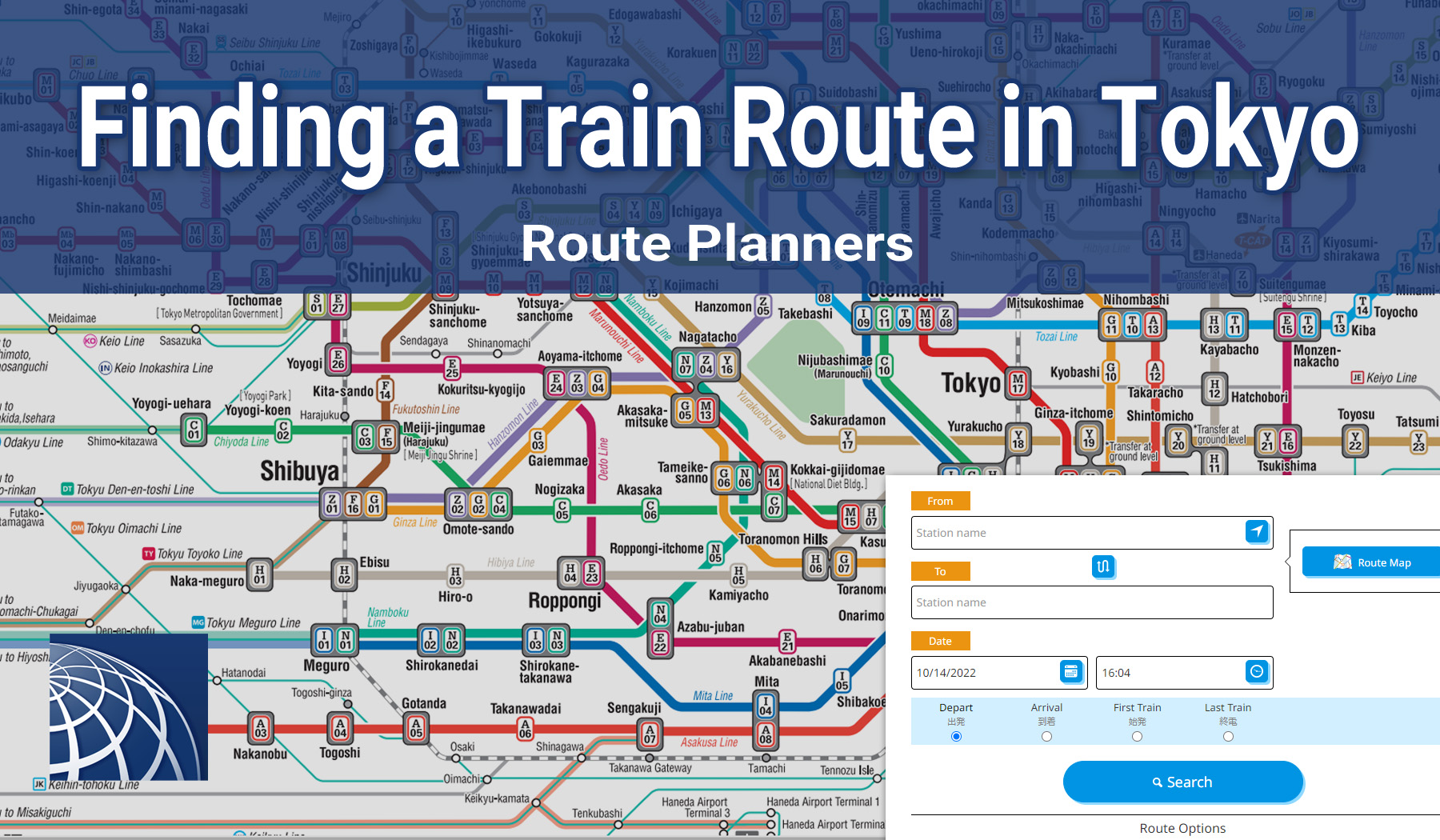
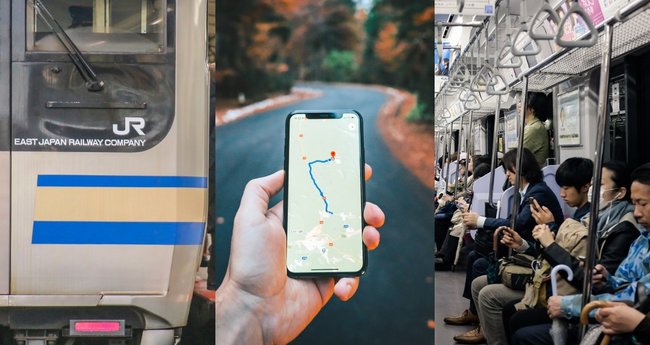

Navigating Japan’s complex train network becomes much easier with the right apps.
Recommended tools include:
Google Maps – excellent for real-time train directions
Japan Transit Planner – detailed schedules and transfers
JR East Train Info
These apps provide platform numbers, transfer guidance, and travel times, helping you move through stations confidently.
Japan’s rail network is one of the most reliable and traveler-friendly systems in the world. With a bit of preparation, you can explore the country quickly and comfortably.
✔ Get an IC card for convenience
✔ Reserve Shinkansen seats during busy seasons
✔ Use navigation apps for transfers
✔ Arrive a few minutes early for trains
✔ Follow local train etiquette
Once you master the system, traveling by train becomes one of the best parts of visiting Japan.