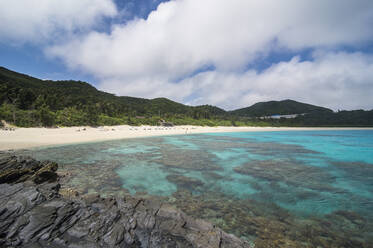


If you’re building a travel bucket list focused on longevity, culture, and wellness, there’s one destination in Japan that stands above the rest — Okinawa, home to one of the world’s five official Blue Zones.
Known for its high concentration of centenarians, crystal-clear waters, and deeply rooted traditions, Okinawa offers more than just a tropical escape. It’s a place where you can experience the secrets of a long, joyful life.
In this guide, you’ll discover why Okinawa is a Blue Zone, what to see, what to eat, and how to plan your visit.
“Blue Zones” are regions of the world where people live significantly longer than average. Okinawa, Japan is one of five:
Okinawa, Japan 🇯🇵
Sardinia, Italy 🇮🇹
Ikaria, Greece 🇬🇷
Nicoya, Costa Rica 🇨🇷
Loma Linda, California 🇺🇸
Okinawa is especially famous for its long-living women, many of whom remain active and socially engaged well into their 90s and 100s.
Locals practice “Hara Hachi Bu” — eating until you’re 80% full. Their traditional diet includes:
Sweet potatoes
Goya (bitter melon)
Tofu and miso
Seaweed
Fresh fish
Green tea
This plant-heavy, low-calorie diet is rich in antioxidants and anti-inflammatory foods.
Okinawans form lifelong social groups called moai, providing emotional and financial support. Community connection is a key factor in longevity.
Many residents have a clear ikigai — a reason to wake up each morning. Whether it’s gardening, teaching, or family life, purpose fuels vitality.
Okinawa Prefecture is located in southern Japan, closer to Taiwan than Tokyo. The main island, Okinawa Honto, is easily accessible:
✈️ 2.5-hour flight from Tokyo
✈️ 2-hour flight from Osaka
The capital city is Naha.
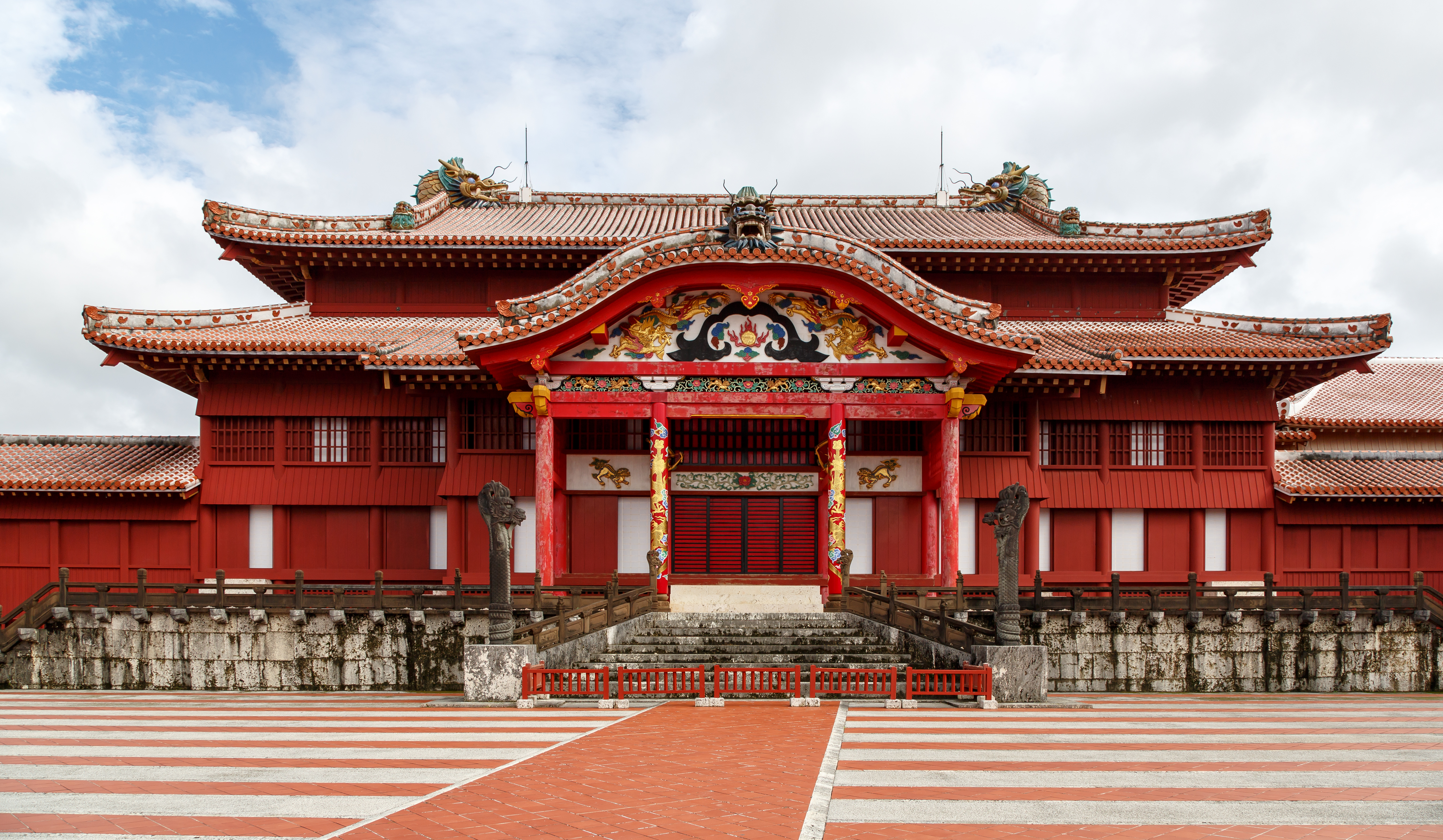
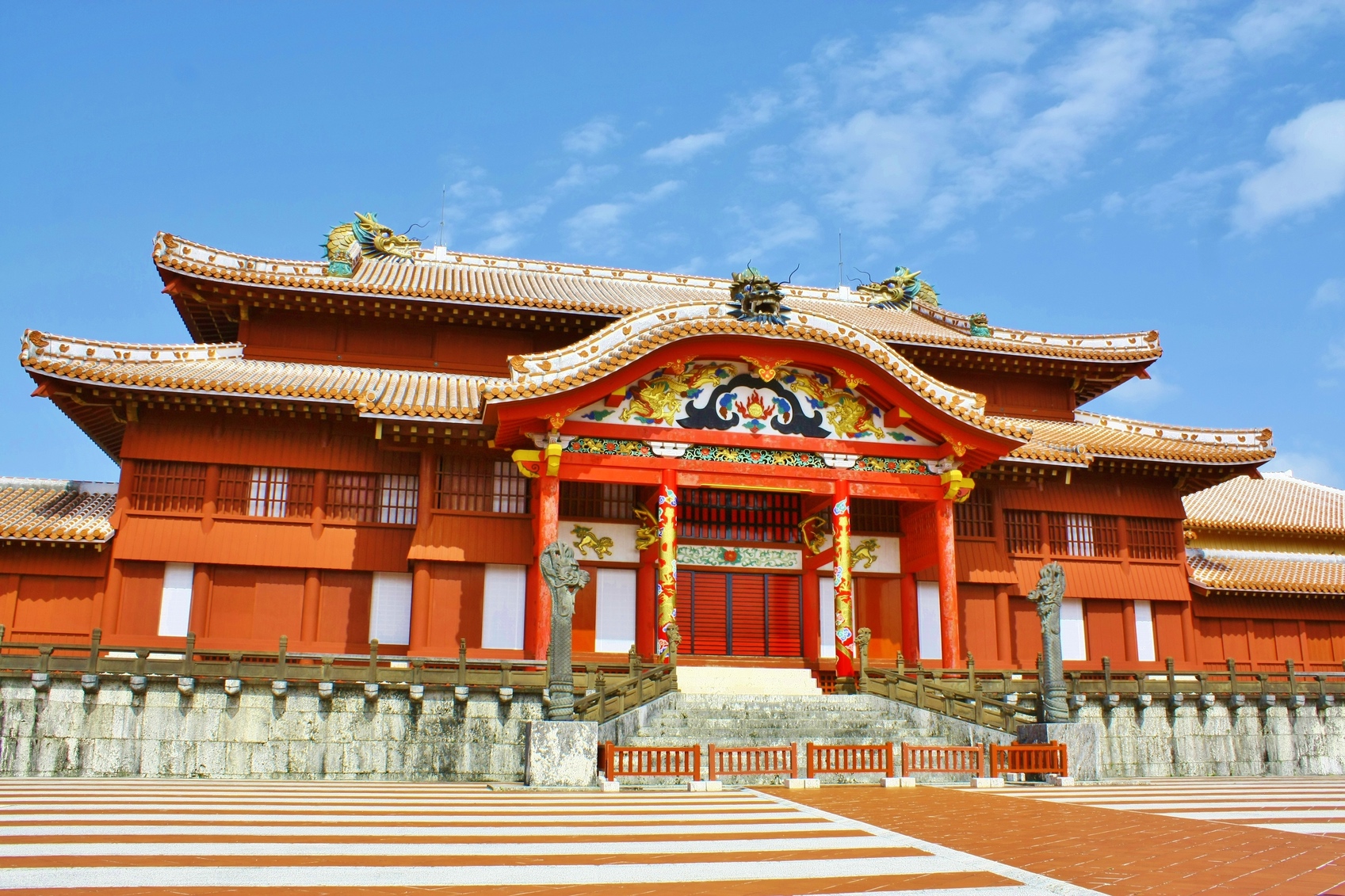
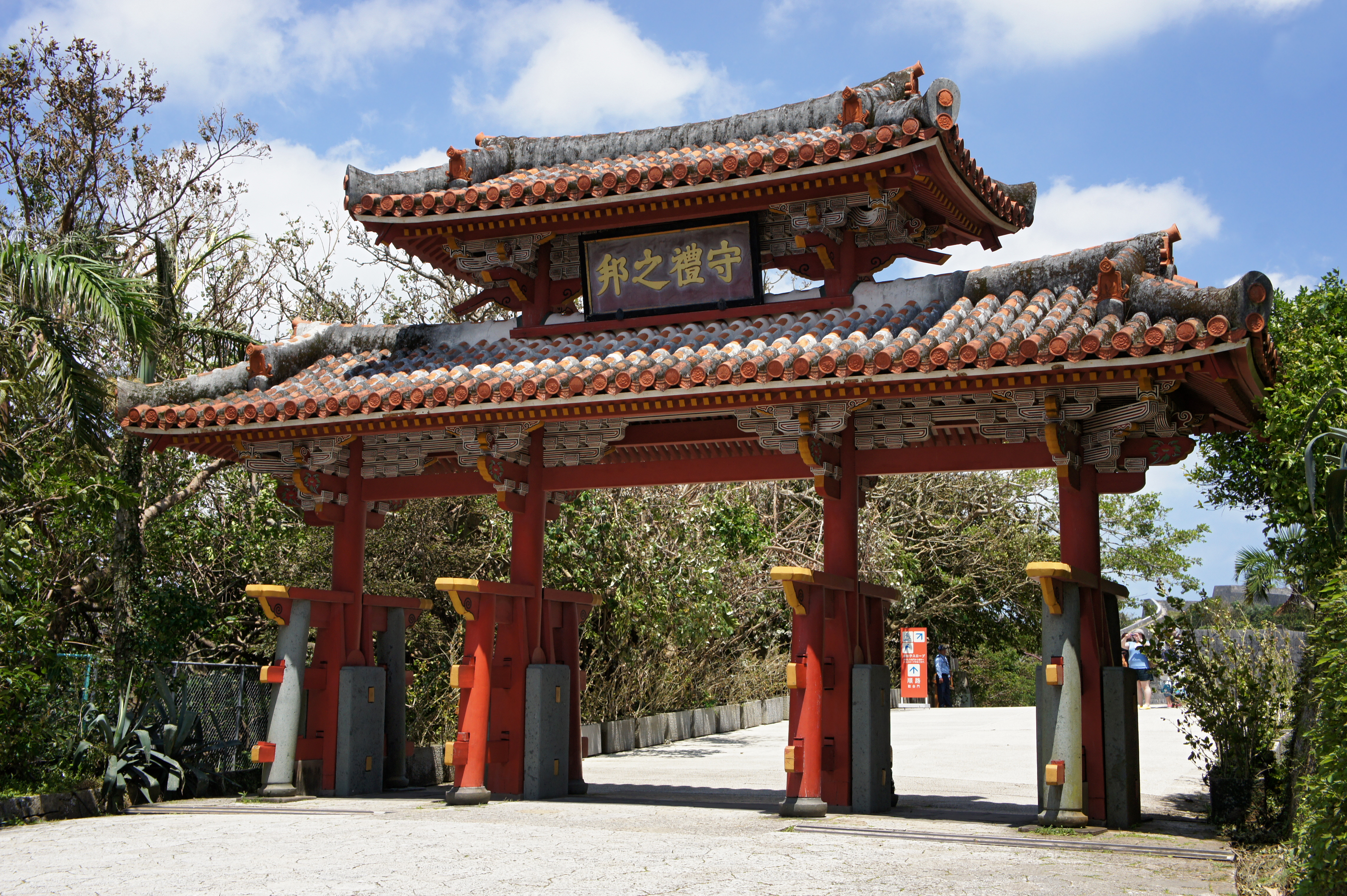
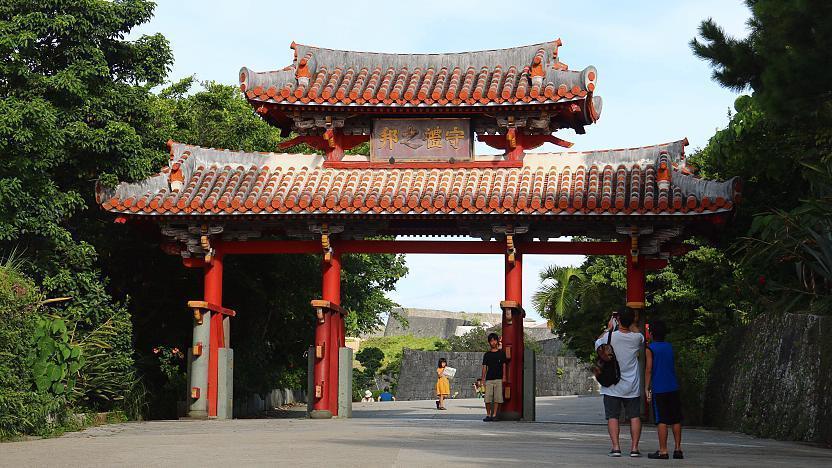
A UNESCO World Heritage Site, Shuri Castle was the heart of the Ryukyu Kingdom. Its vibrant red architecture reflects Okinawa’s unique cultural identity, influenced by both Japan and China.
Bucket List Tip: Visit at sunset for fewer crowds and golden lighting.
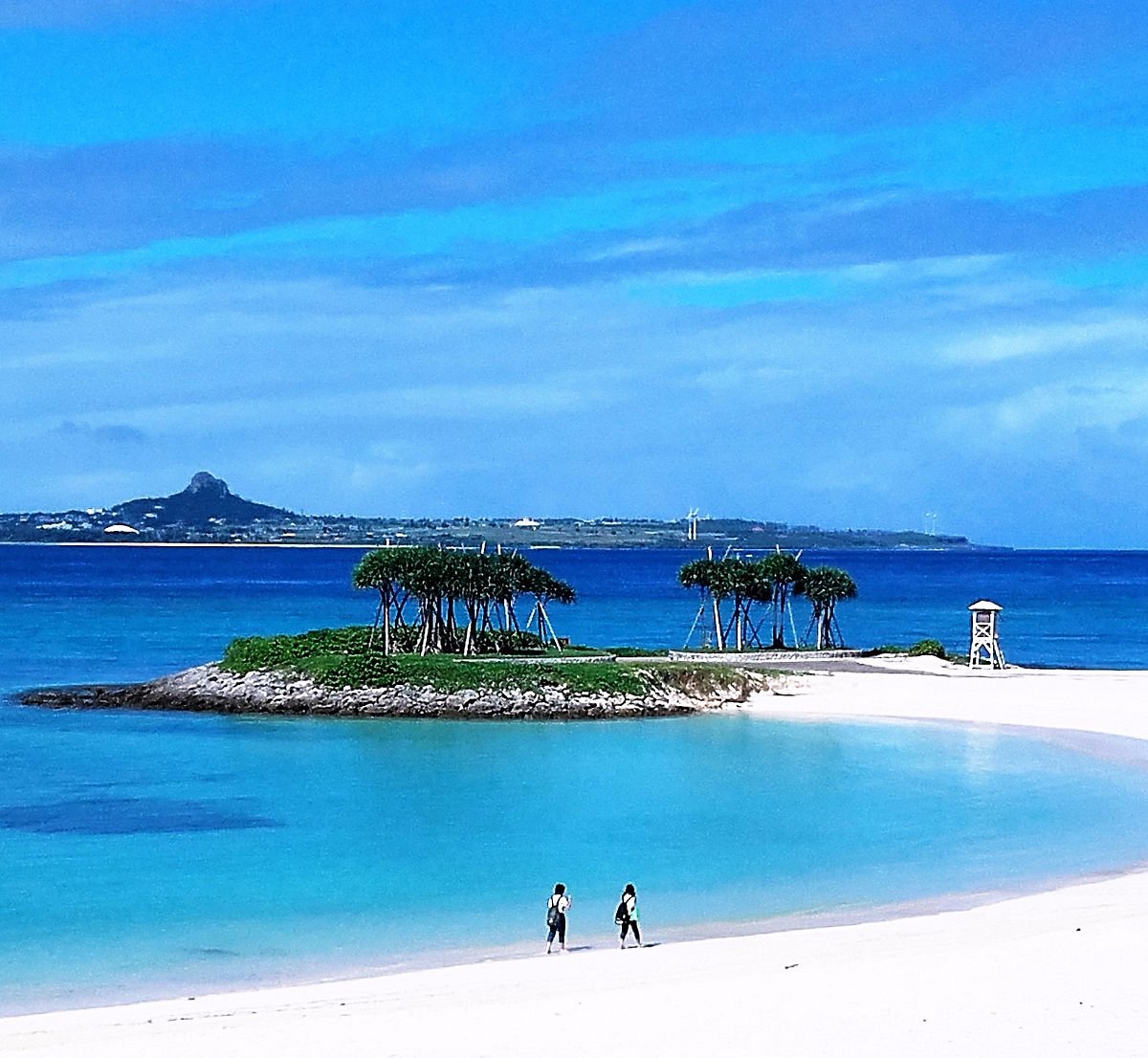



Okinawa feels more like Hawaii than mainland Japan. Swim, snorkel, or simply enjoy the calm, warm waters.
Best time to visit: April–October
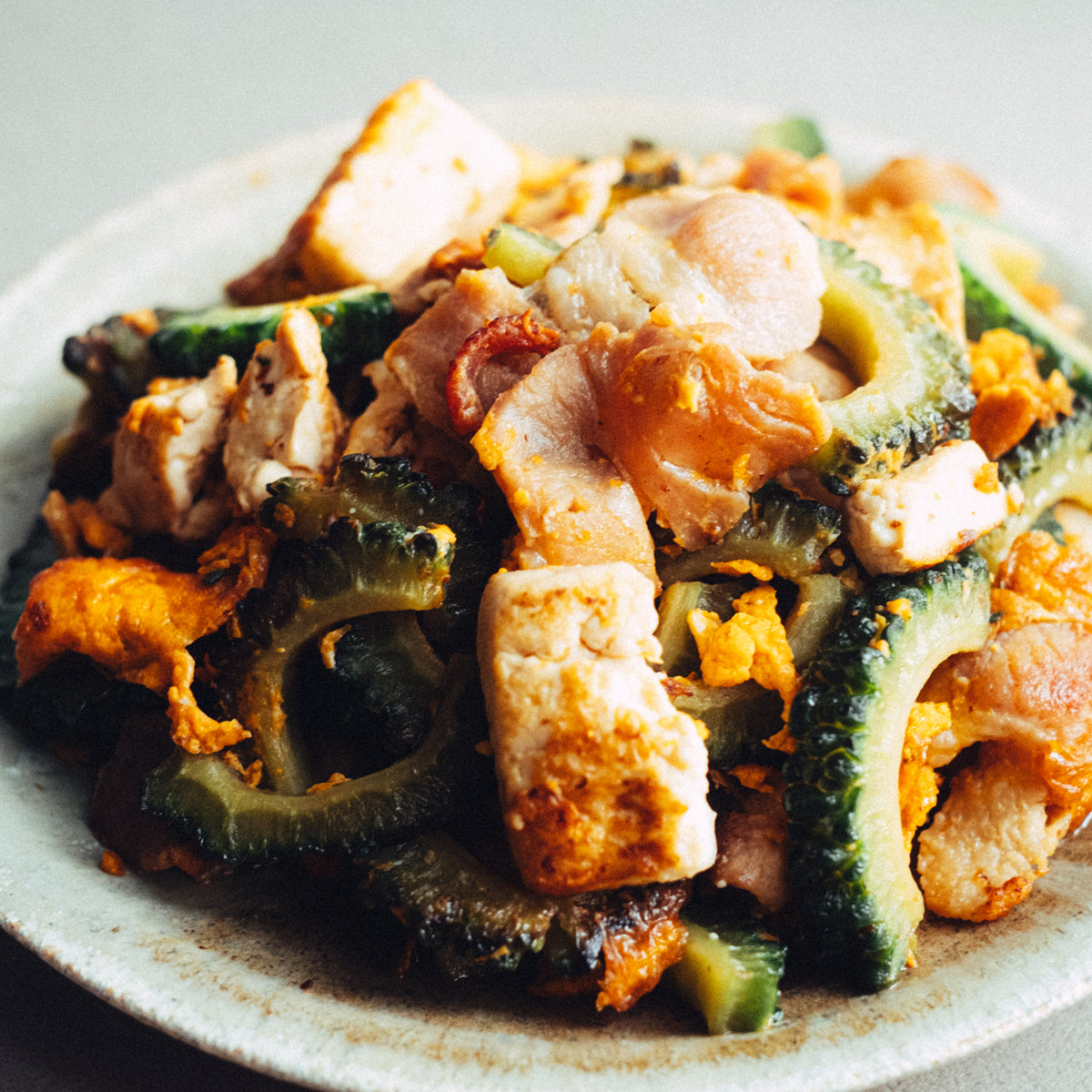

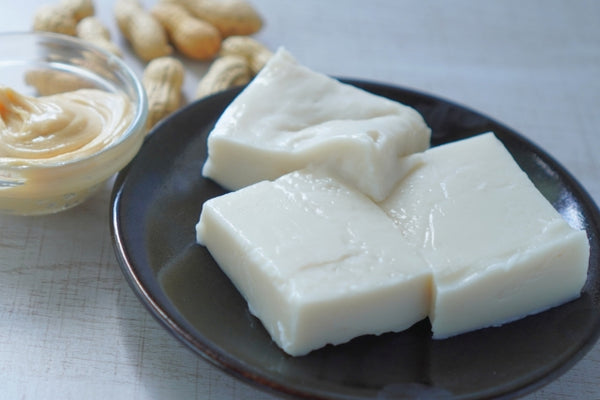
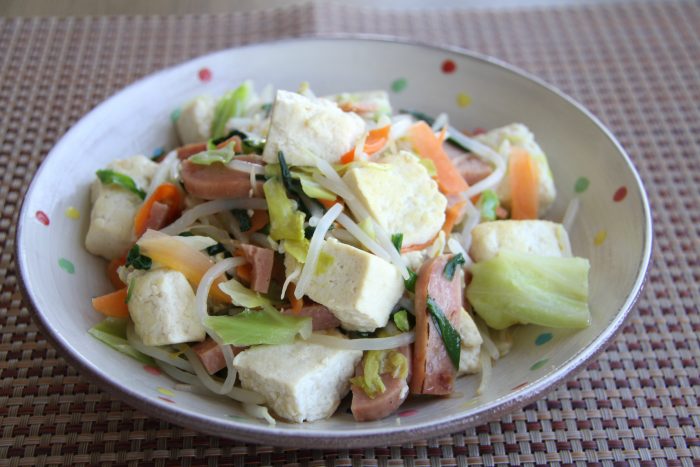
Don’t leave without trying:
Goya Champuru (bitter melon stir fry)
Purple Okinawan sweet potato
Jimami tofu (peanut tofu)
Mozuku seaweed
Visit local markets like Makishi Public Market in Naha for authentic flavors.
Ogimi is often called the “Village of Longevity.” Here, you’ll find:
Community gardens
Small family-run restaurants
Peaceful rural landscapes
It’s the best place to experience authentic Blue Zone culture beyond tourist areas.
| Season | Weather | Travel Tip |
|---|---|---|
| Spring (Mar–May) | Warm & pleasant | Great balance of weather and fewer crowds |
| Summer (Jun–Aug) | Hot & humid | Best beach season (watch for typhoons) |
| Autumn (Sep–Nov) | Warm ocean, fewer tourists | Ideal for relaxed travel |
| Winter (Dec–Feb) | Mild | No beach swimming, but cultural exploration is great |
🏖 Luxury: Halekulani Okinawa
🌿 Mid-range: Hotel Collective Naha
🏡 Budget: Guesthouses in Naha or Onna
Pro Tip: Rent a car for full island access.
Instead of rushing:
✔ Eat slowly
✔ Walk daily
✔ Talk to locals
✔ Spend time outdoors
✔ Unplug from your phone
Okinawa isn’t just a destination — it’s a lesson in living well.
Explore Shuri Castle
Stroll Kokusai Street
Eat traditional Okinawan dinner
Visit Ogimi Village
Beach time at Emerald Beach
Sunset ocean walk
Makishi Market breakfast
Snorkeling tour
Local café with green tea
Okinawa offers something rare in travel — inspiration.
It’s not just about beaches or sightseeing. It’s about:
Living with purpose
Eating mindfully
Valuing relationships
Slowing down
In a fast-paced world, Okinawa reminds us how to truly live.